
Local paving and groundwork
Turfing in Hull
A new lawn that roots well starts with the ground: the right depth of topsoil, a level surface and water that drains away.
Get your free quote
No obligation. Tell us where to reach you and we will be in touch.
Is turfing right for me?
Turf gives you a lawn within a day, but it only becomes a lasting lawn if it roots. Rooting depends on what is underneath: loose, level, free-draining soil with enough depth, and water that has somewhere to go. Most failed turf, whether yellow, patchy or lifting, comes from poor preparation.
This page explains how we prepare the ground, what to choose and how to look after the lawn in its first weeks. It gives general information, and every garden is quoted individually after a free site visit. We supply and lay natural turf, with ground preparation.
Who turfing suits, and who it does not
It suits you if you want a natural lawn quickly, a replacement for a worn or weedy one, or a finished green space after paving, fencing or groundwork.
It may not suit you if the plot is deeply shaded, heavily used by dogs or children all year, or you do not want to water and mow. In those cases look at artificial grass for a lawn that needs little upkeep. For a hard-wearing outdoor space beside the lawn, see patios.
Turf, seed or artificial grass
Each suits a different garden.
| Option | Strengths | Limits |
|---|---|---|
| Turf | Lawn within a day, hardy, less affected by birds and rain | Costs more than seed, needs good preparation and watering |
| Seed | Lower cost, wider choice of mix | Slower, needs care, can wash out on a slope |
| Artificial grass | Green all year, little upkeep | Needs a proper base, can get hot in sun, not a natural lawn |
Our turfing build process
Our process, in order:
- Humber Ground Assessment. At the free visit we look at the soil, the levels, the shade, drainage and access.
- Drainage-First Plan. We decide where water will go before we cultivate, so the lawn does not sit in a hollow.
- Clearance. The old lawn, weeds, stones and rubbish are removed.
- Ground preparation. Compacted ground is broken up and any poor subsoil is dealt with. Depth: Remove unsuitable material, grade soil, add screened topsoil where required and set falls away from buildings. Lay fresh turf on prepared soil, stagger joints and water in..
- Topsoil. Topsoil is spread to the agreed depth and brought to a level finish with the right falls. Remove unsuitable material, grade soil, add screened topsoil where required and set falls away from buildings. Lay fresh turf on prepared soil, stagger joints and water in.
- Firming and raking. The surface is firmed by treading, raked fine and checked for dips.
- Laying. Turf is laid in staggered rows with tight joints, cut to the borders and rolled or pressed in for contact with the soil.
- Finishing and handover. The lawn is watered in and we explain the first weeks of care.
Turfing materials, finishes and colours
Turf types. Lawn turf varies by grass mix. Hard-wearing mixes suit family gardens, finer mixes look smarter but wear faster, and shade mixes cope better under trees and walls. Fresh lawn turf for intended use/season from local grower.
Topsoil. As a general industry norm, around 100mm to 150mm of good topsoil gives turf something to root into. This is not our specification. Remove unsuitable material, grade soil, add screened topsoil where required and set falls away from buildings. Lay fresh turf on prepared soil, stagger joints and water in.
Freshness. Turf is a living product and should go down soon after delivery. As a general guide, the sooner the better, since rolls left stacked can heat up and yellow.
Feed and weed treatment. A starter feed can help roots establish.
Drainage, planning and building regulations
Water on clay. Clay holds water and can bake hard in dry spells, so we loosen the surface and improve it before laying. Where the ground holds water, we discuss drainage options at the visit. Remove unsuitable material, grade soil, add screened topsoil where required and set falls away from buildings. Lay fresh turf on prepared soil, stagger joints and water in.
Falls. A gentle fall across the lawn, as a general norm about 1 in 80, helps surface water move away from the house. Remove unsuitable material, grade soil, add screened topsoil where required and set falls away from buildings. Lay fresh turf on prepared soil, stagger joints and water in.
Levels at the house. The finished lawn should sit below the damp-proof course, so soil and water do not bridge it. See our drainage and permeable paving guide for how water is handled around the house.
Trees. Soil piled around trunks can harm trees, and roots limit the depth we can dig. We look at this at the visit.
Timescales and aftercare
Season. As a general guide, autumn and spring are the easiest times to lay turf, because the weather helps roots take. Summer is possible with close watering, and frozen or waterlogged ground is best avoided.
Timescale. A small garden can take a day or two once the ground is ready, and a larger one longer. Our current guide is typically 1 to 3 working days for a domestic lawn, depending on size and preparation.
Watering. Keep new turf damp, not soaked, so roots grow down. It dries fast in warm or windy weather.
First use and mowing. Keep off the lawn until it has rooted, as a general guide a few weeks, and make the first cut with the blades set high.
Guarantee. Our workmanship guarantee applies, with the terms set out in your written quote.
Turfing costs in Hull
We quote each lawn individually and give a fixed written price after the free visit. Guide prices:
Turf, supplied and laid: From £35 per m².
What moves the price: area, topsoil depth, turf type, access, the state of the existing ground and the amount of waste to remove.
What is included: the preparation, materials, labour and tidy-up listed in your written quote.
Common problems and contractor mistakes
- Turf laid on compacted subsoil. Roots cannot get down, and the lawn yellows in the first dry spell.
- Too little topsoil. The lawn dries out and thins quickly.
- Uneven finish. Dips hold water and humps get scalped by the mower.
- Gaps at the joints. Turf shrinks and the lines show.
- Too little water in the first weeks, or too much on poorly draining ground.
- Old turf delivered and left stacked. It heats up and yellows before it is laid.
Turfing in Hull: local ground and weather
Hull’s clay subsoil holds water in winter and can bake hard in summer, so ground preparation matters more here. Low, flat gardens can stay wet, and shaded plots between buildings often need a shade mix. Narrow terraced and semi-detached plots make access for soil and turf deliveries tight, so we plan for barrowing in advance. We work across Hull, Beverley and Hessle.
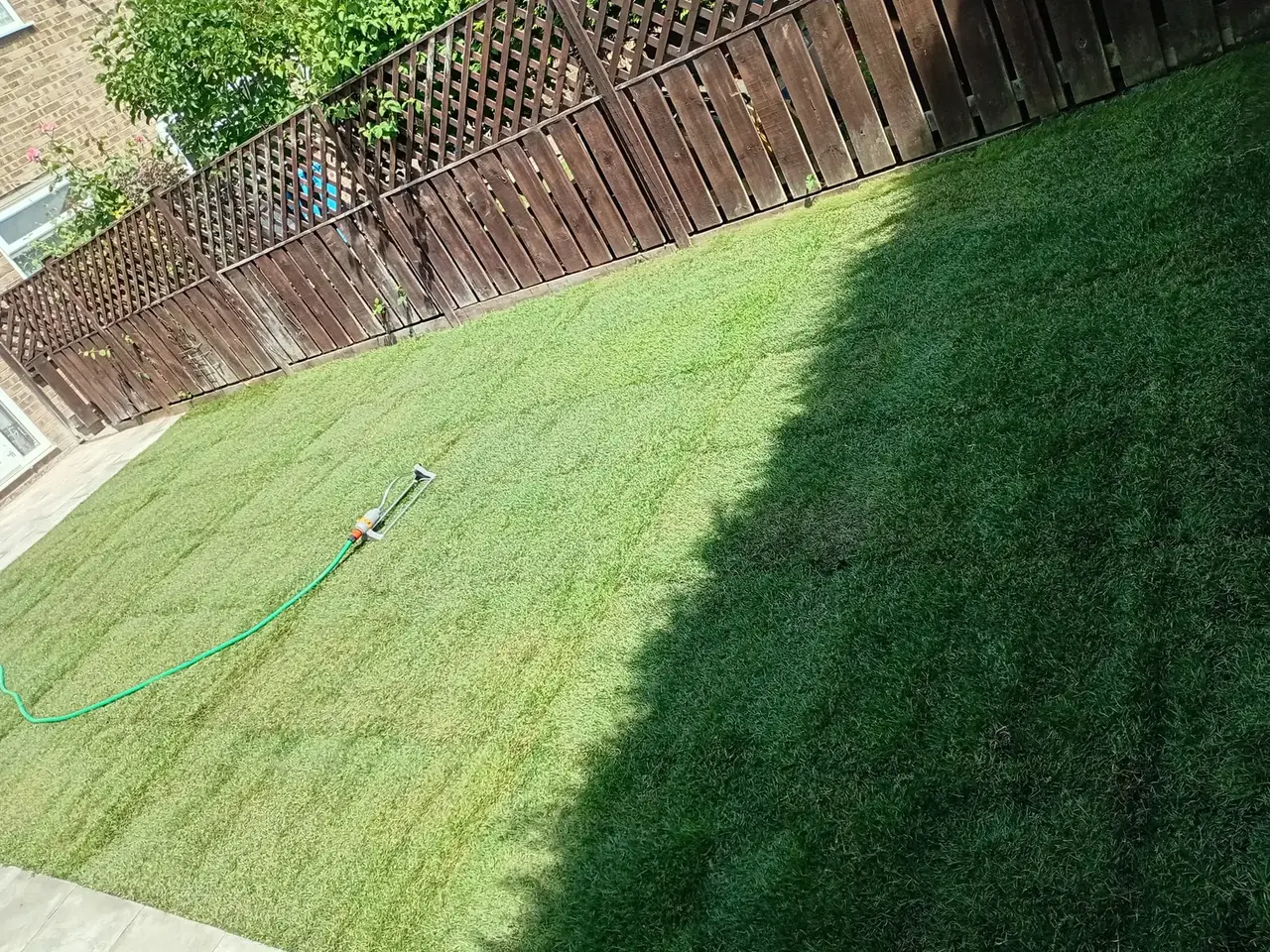
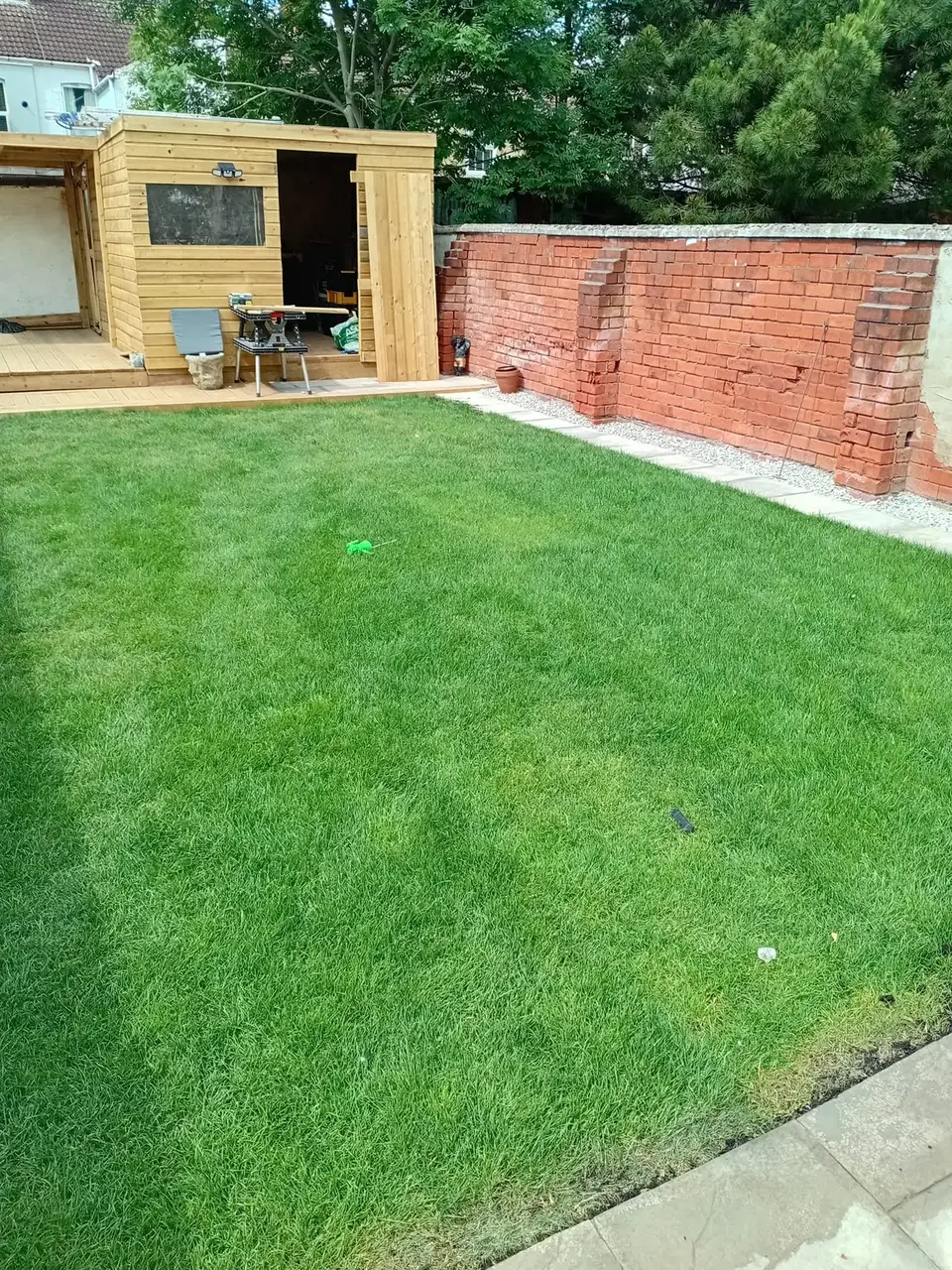
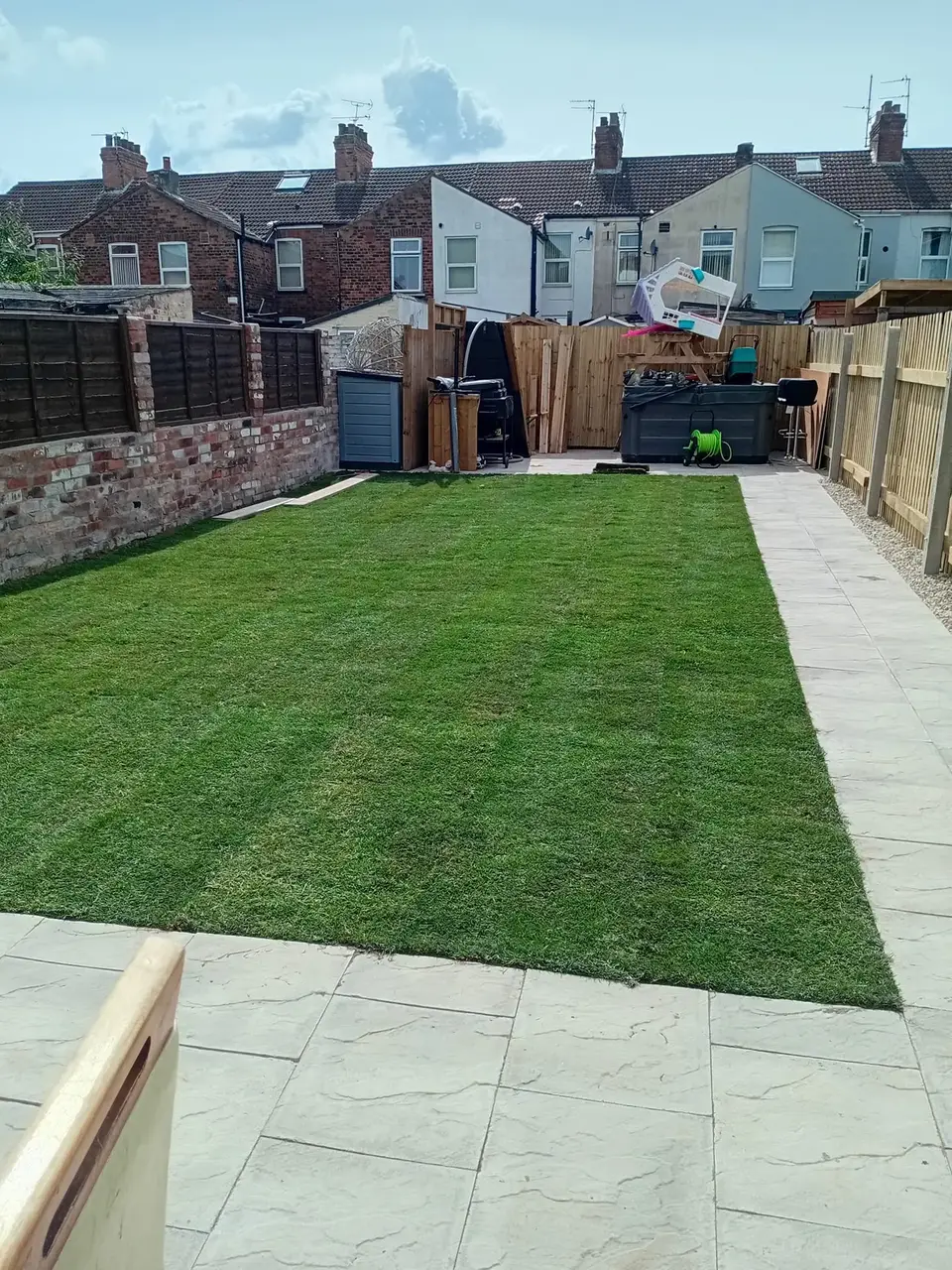
Recent turfing work


What customers say
“Fantastic team from start to finish very professional gave great advice”
Google review
“Highly recommended!!! Does all my property refurbs when it comes to artificial grass and/or groundwork’s. 100%”
Google review
“I found Pave It to be very good and their work is absolutely fantastic. I would definitely recommend them to all my family and friends. They are so efficient in all they do.”
Google review
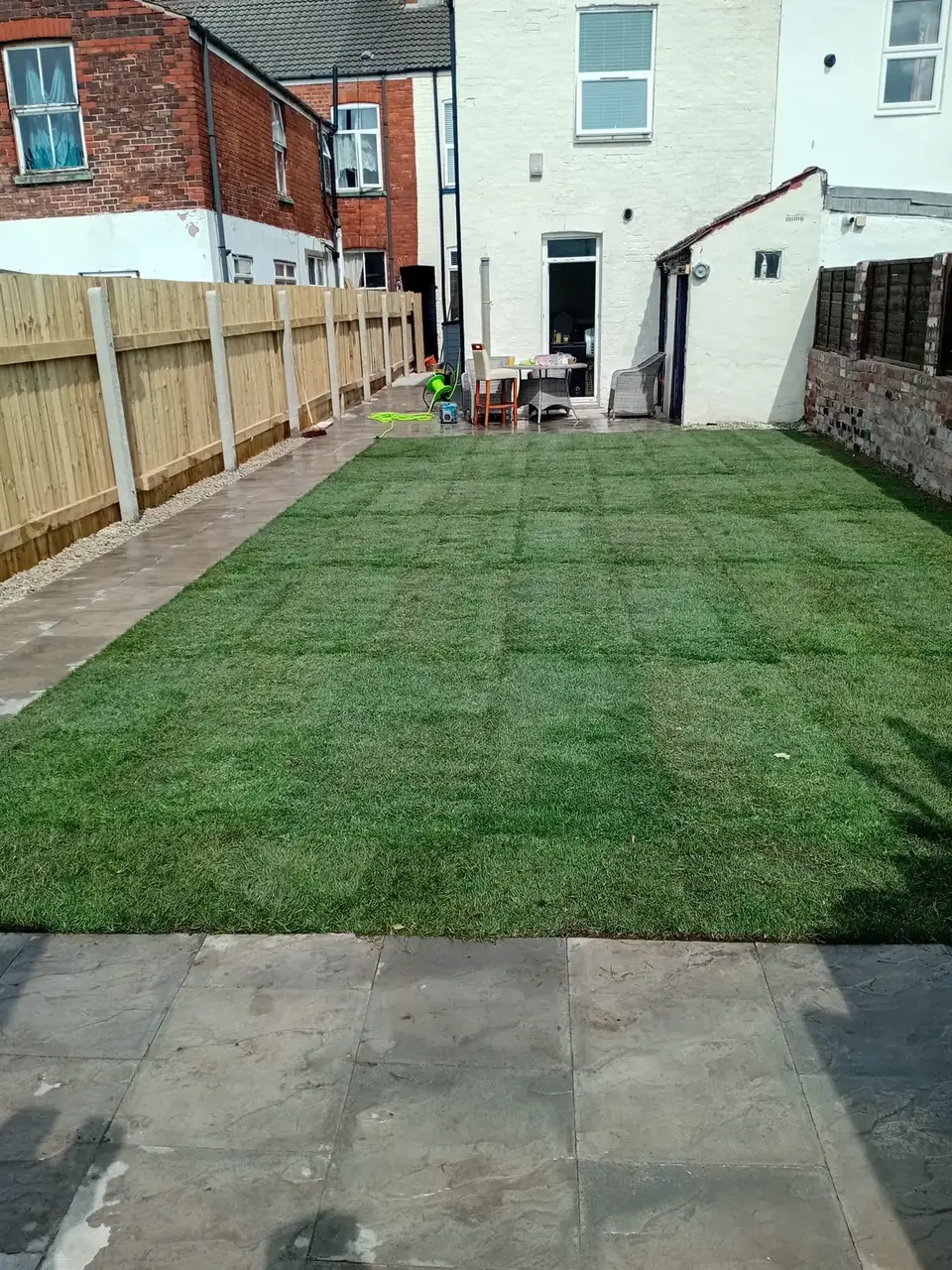
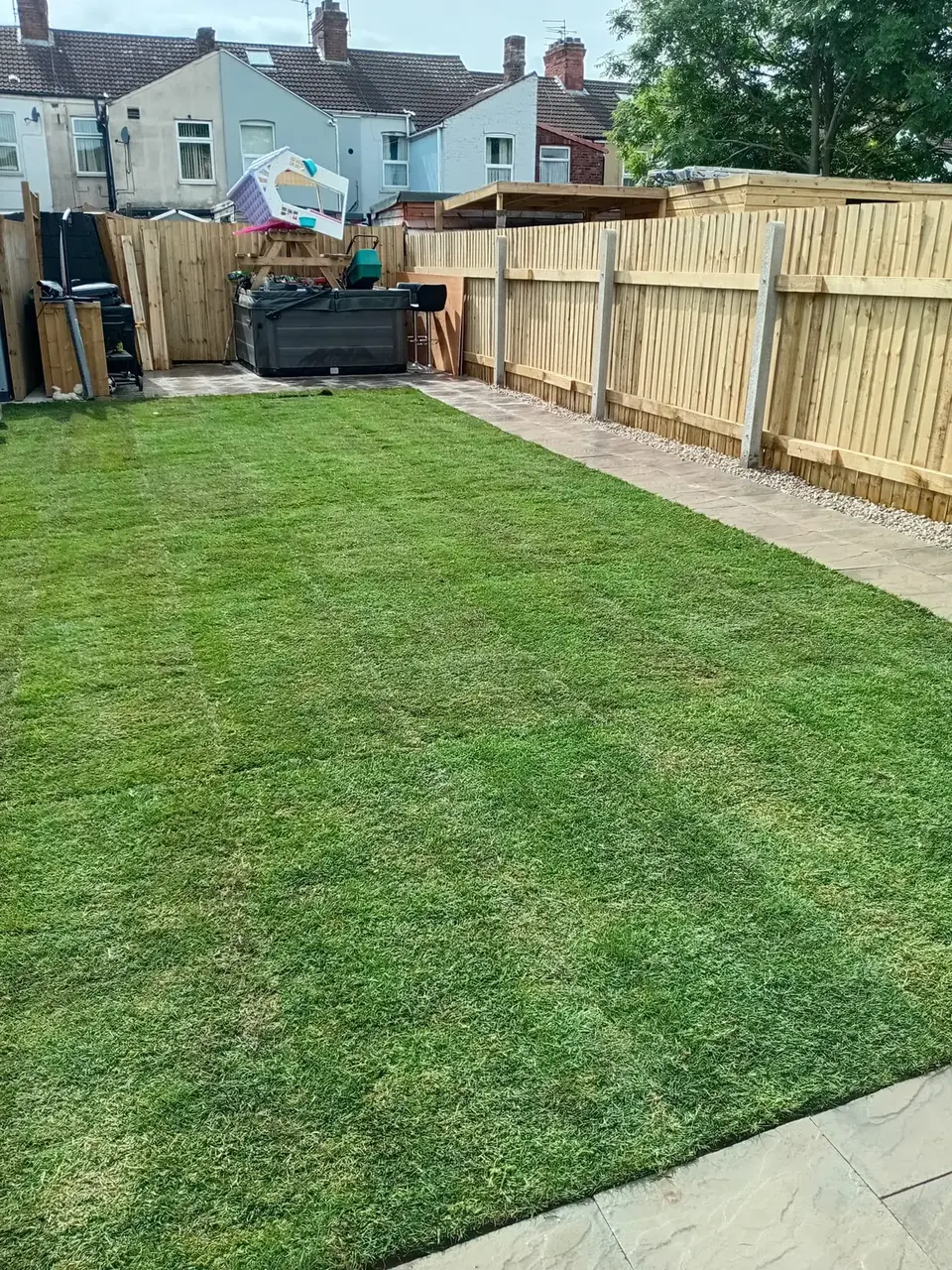
Turfing projects




Turfing questions
How deep should topsoil be for turf?
As a general industry norm, around 100mm to 150mm of good topsoil gives turf something to root into. This is not our specification and varies with the ground. Remove unsuitable material, grade soil, add screened topsoil where required and set falls away from buildings. Lay fresh turf on prepared soil, stagger joints and water in.
When is the best time to lay turf?
Autumn and spring are generally easiest, because the ground is workable and the weather helps roots take. Summer needs close watering, and frozen or waterlogged ground is best avoided.
How long before I can walk on new turf?
Keep off it until it has rooted. As a general guide that takes a few weeks, depending on the weather and the season.
How often should I water new turf?
Keep it damp, not soaked, so the roots grow down into the soil. New turf dries quickly in warm or windy weather and needs more attention.
Will turf grow on clay soil?
Yes, if the ground is prepared so water can drain. Clay can hold water and bake hard in dry spells, so we loosen the surface and improve it before laying. Remove unsuitable material, grade soil, add screened topsoil where required and set falls away from buildings. Lay fresh turf on prepared soil, stagger joints and water in.
Is turf better than seed?
Turf gives a lawn almost at once and is less affected by birds and weather. Seed is cheaper and gives a wider choice of mix, but takes longer and needs more care while it grows.
Can you remove my old lawn first?
Yes. We can strip and remove an old lawn, weeds or rubbish before preparing the ground.
How long does a lawn take to turf?
A small garden can take a day or two once the ground is ready, and a larger one longer. We give you a time after the free visit.
Related services
How we work
Every job follows the same eight stages, so you know what happens next.
Enquiry
You call, message us on WhatsApp or send the quote form. We note what you want and arrange a visit.
Site visit and measure
We come to your property, look at access, levels and drainage, and measure up. This is free.
Written fixed quote
You receive a written fixed quote that sets out the work, so you can compare it with confidence.
Groundwork plan
We agree the dig depth, base, edging and where the water will go before any work starts.
Dig-out and base
We excavate, remove spoil and build the sub-base in compacted layers, because the base decides how long the surface lasts.
Laying
We lay your chosen surface to the agreed levels and falls, cutting neatly at edges and drains.
Finishing and sealing
We fill and brush joints, apply sealing where the material calls for it, and tidy the edges.
Handover and aftercare
We walk you round the finished job and explain how to look after it.
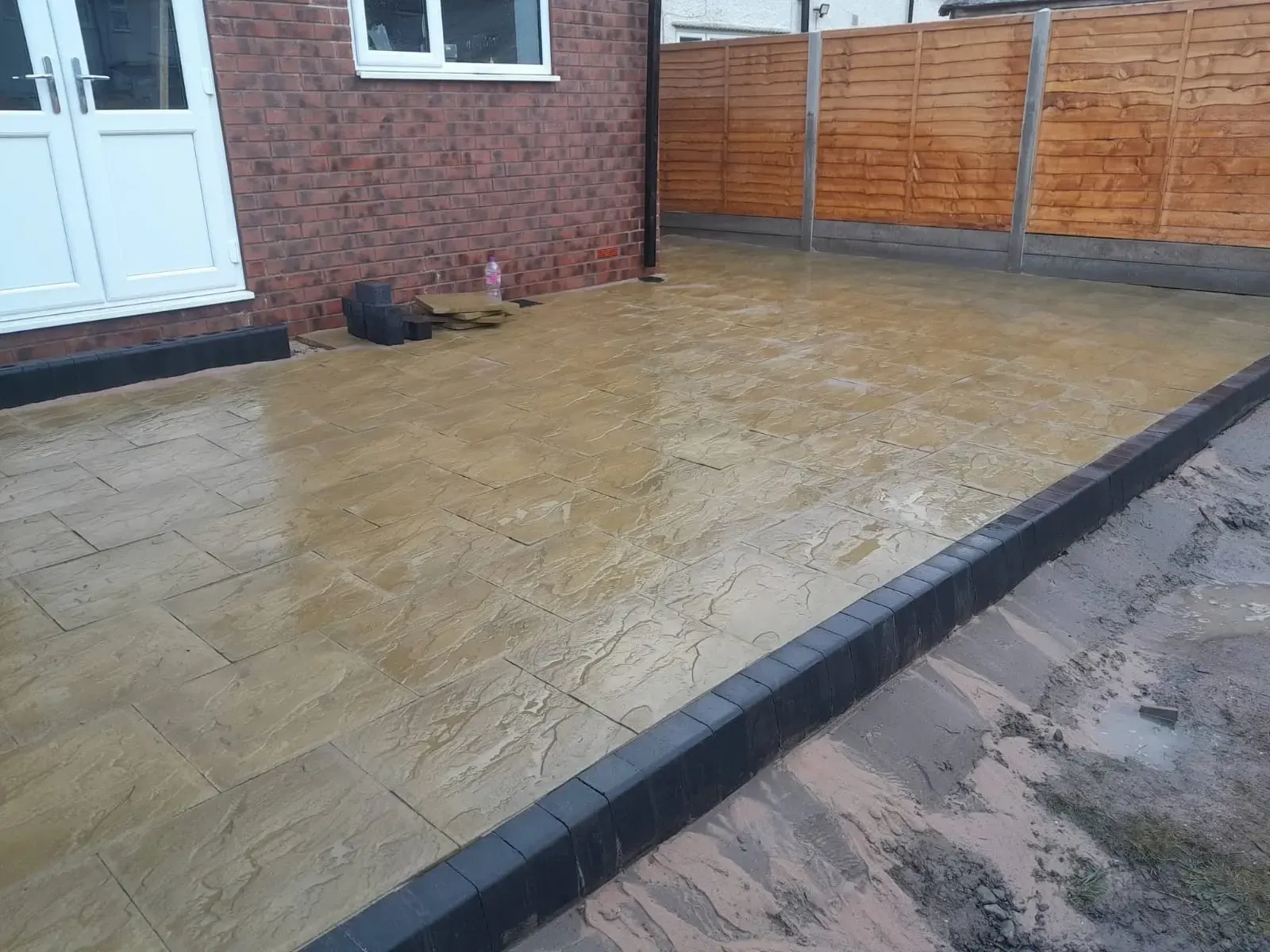
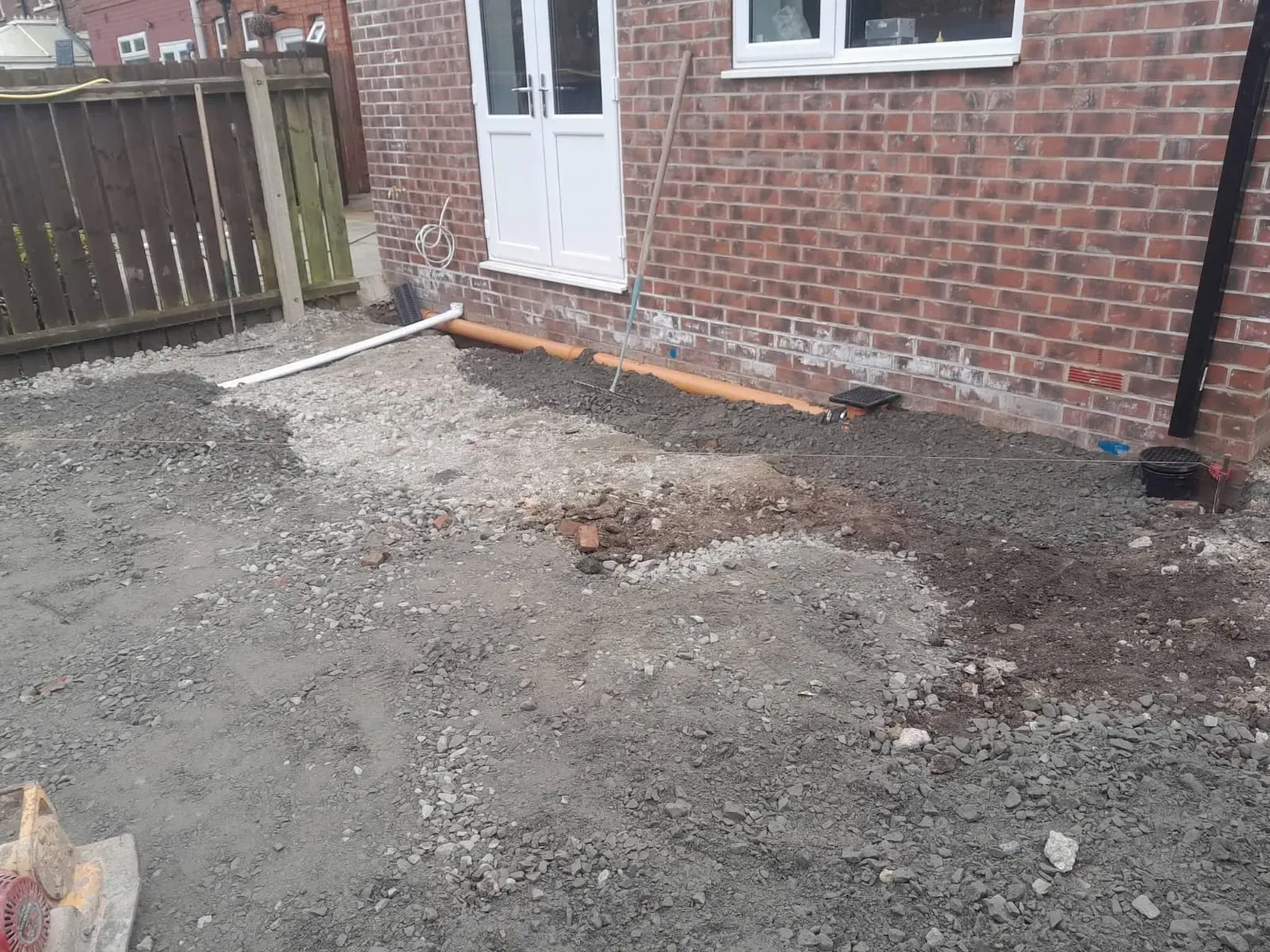
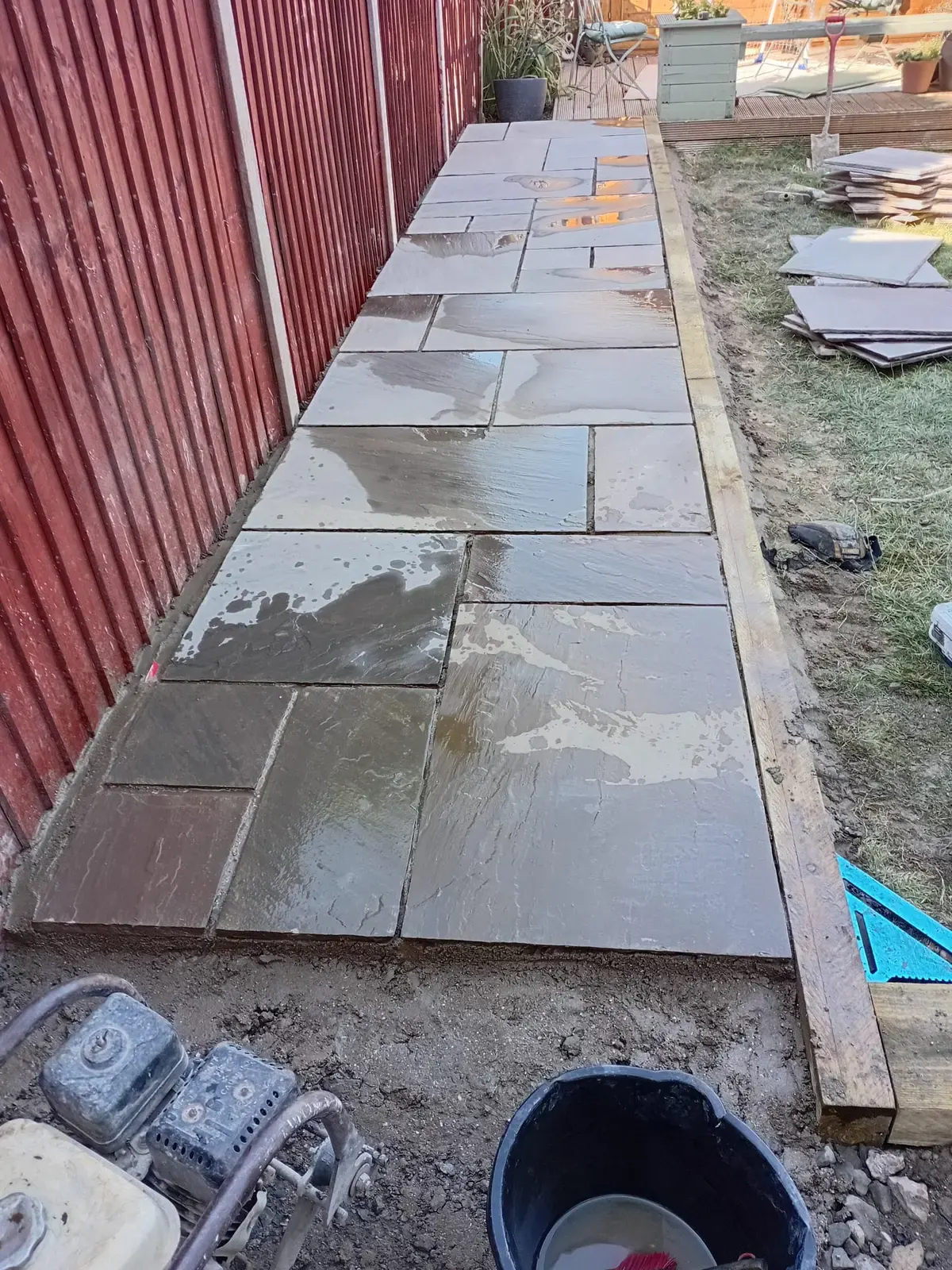
Before and after
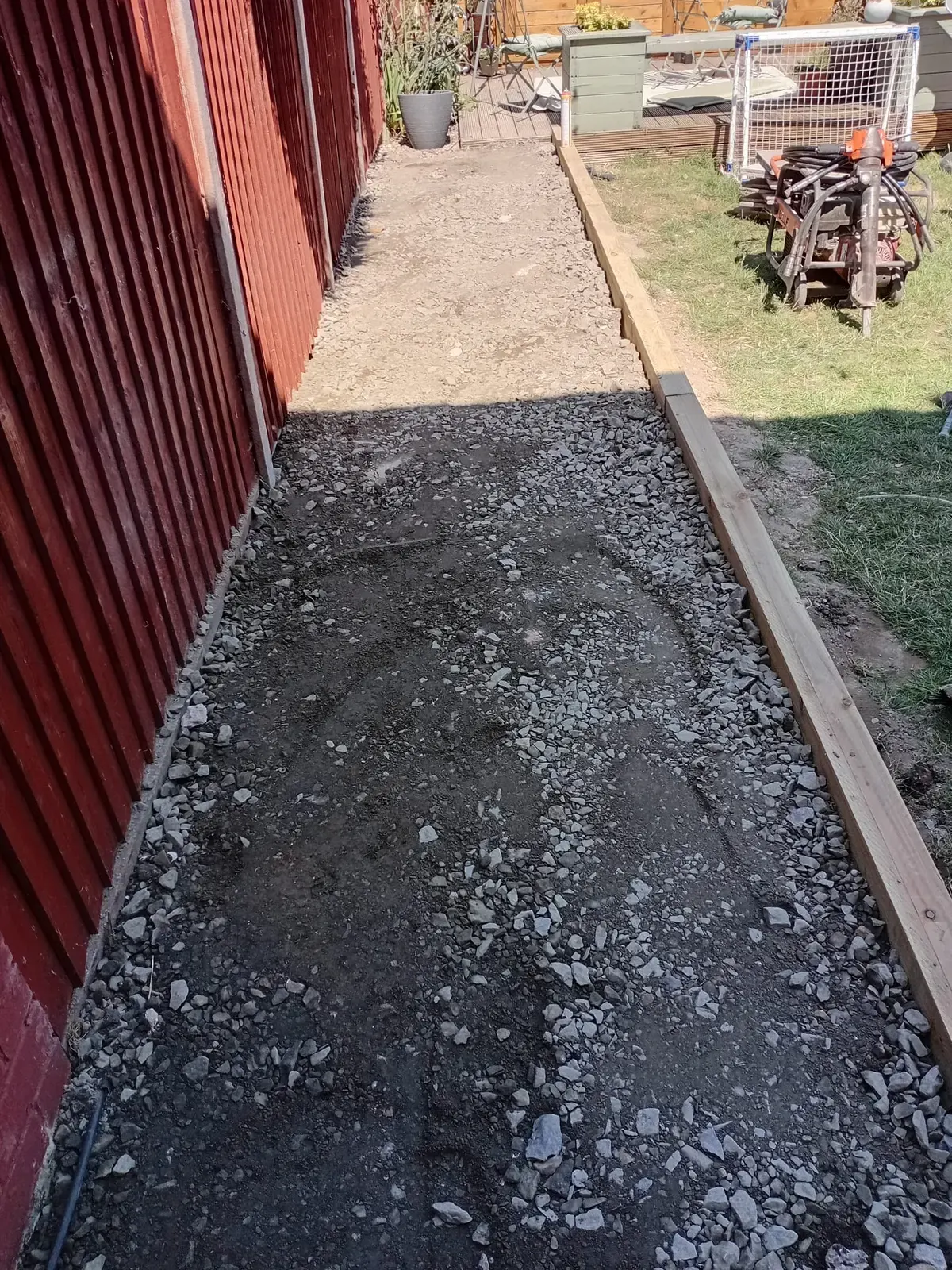
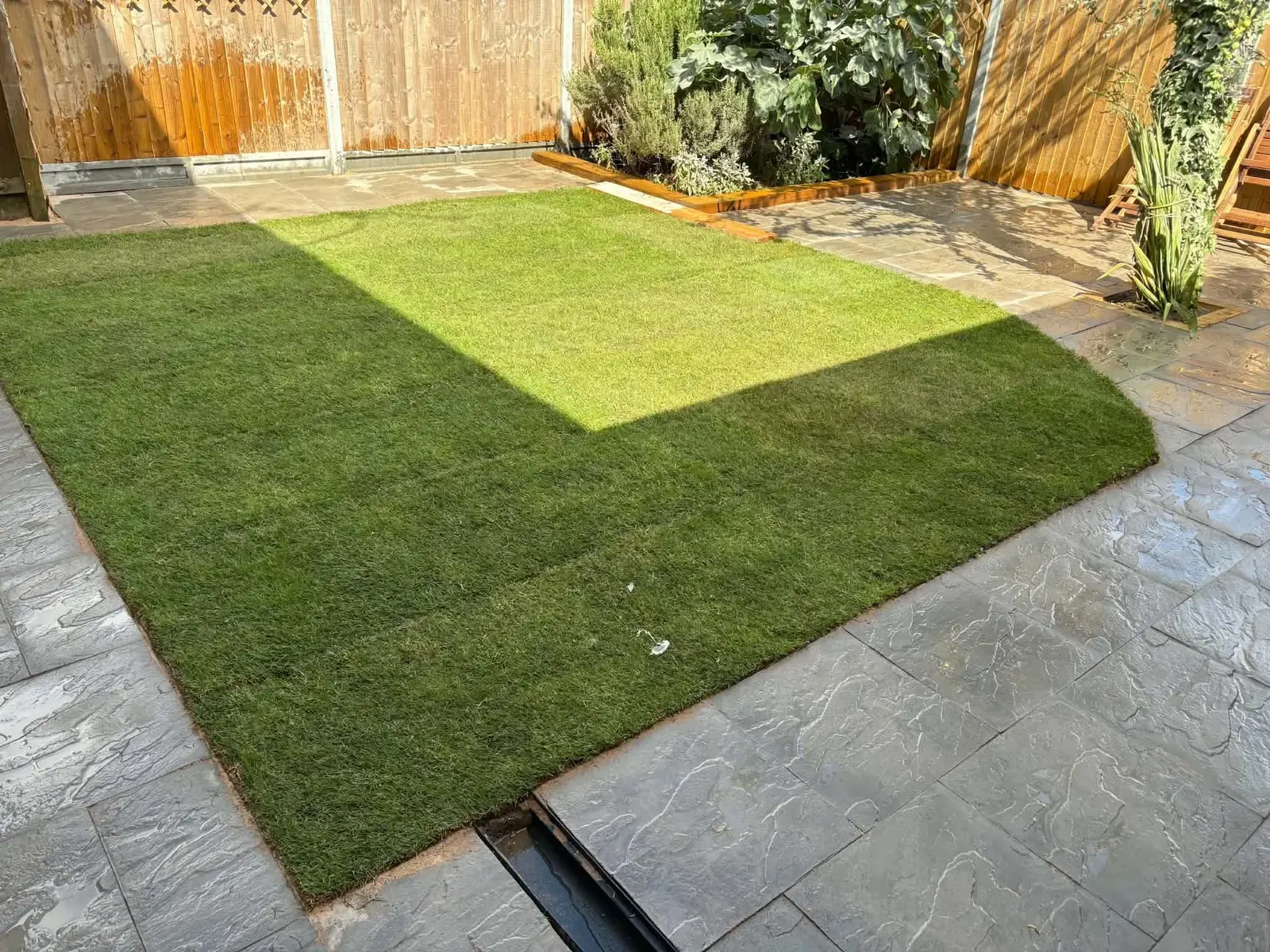
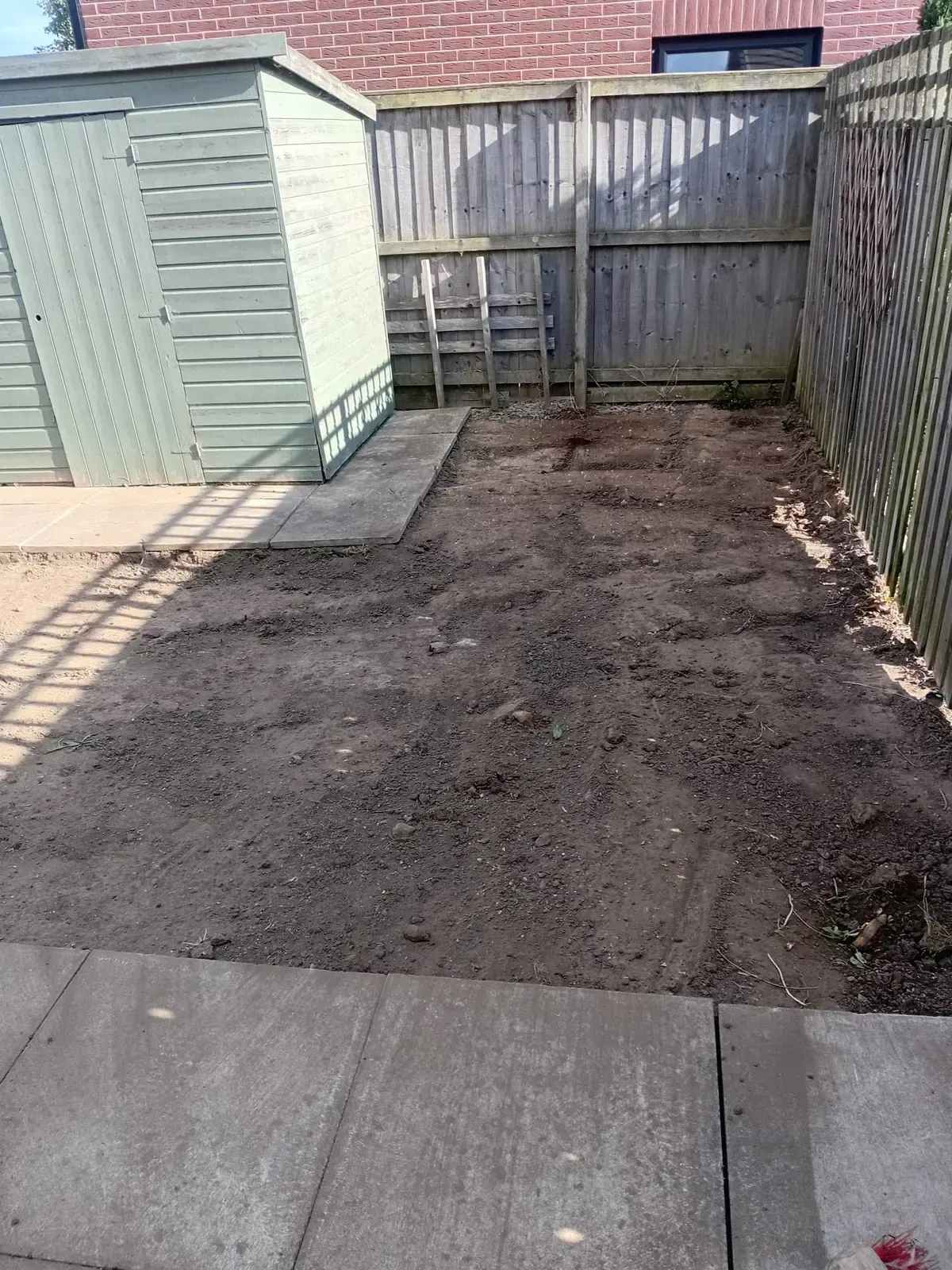
Drag the handle to compare the ground before we started with the finished job.
 BeforeAfter
 BeforeAfter
 BeforeAfter
Ready for a free quote?
Tell us about the job. We will visit, measure up and give you a written fixed quote.