
Local paving and groundwork
Imprinted Concrete in Hull
Poured concrete stamped with a pattern and colour, built on a firm base with the joints planned from the start.
Get your free quote
No obligation. Tell us where to reach you and we will be in touch.
Is imprinted concrete right for me?
Imprinted concrete, also called pattern imprinted or stamped concrete, is a slab of poured concrete given a colour and a textured pattern while it is still workable. Rubber-like moulds are pressed into the surface to copy slate, flagstone, brick or cobble, and a sealer finishes it.
It gives a joint-free surface at a price people often find attractive, but it is a poured product: the finish is set the day it is laid, and the base, joints and weather on the day all decide how well it lasts. We offer imprinted concrete.
Who imprinted concrete suits, and who it does not
It suits you if you want a seamless surface with a stone or brick look, no joints for weeds, and an even finish across a wide drive or patio.
It may not suit you if you want an easy repair, because patched concrete rarely matches. It is also a poor fit for very soft or uneven ground, or for anyone who dislikes resealing. If you like a pattern but want a repairable surface, block paving is the closer comparison; for a plain finish, tarmac is cheaper to lay.
Our imprinted concrete build process
Our process, in order:
- Humber Ground Assessment. At the free visit we probe the ground, check levels and access, and record what we find.
- Drainage-First Plan. Concrete is not permeable, so falls and the outlet are set out before any digging.
- Deep-Base Build. We dig out and compact a stone sub-base in layers. Depth and stone type: Stable compacted sub-base; specify concrete thickness/reinforcement for ground and vehicle use; form falls and joints. Apply colour, release agent and pattern to system instructions..
- Formwork and reinforcement. Edge boards hold the levels and mesh is supported at the right height inside the slab. Stable compacted sub-base; specify concrete thickness/reinforcement for ground and vehicle use; form falls and joints. Apply colour, release agent and pattern to system instructions.
- Pour, screed and float. Concrete is placed, levelled and floated. Timing matters from here.
- Colour, release agent and stamping. Colour hardener is worked into the surface, release agent is applied, and the moulds are pressed in while the concrete is workable.
- Joints, cleaning and sealing. Joints are cut, loose release agent is washed off once cured, and the sealer goes on a dry surface.
- Clean-Site Promise and Photo-Proof Handover. We clear spoil as we go, sweep up at the end of each working day and photograph the key stages before they are covered, then send you the photos at handover.
Imprinted Concrete materials, finishes and colours
Patterns. Common choices are slate, ashlar, random flagstone, cobble, brick herringbone and a plain broom texture. Larger patterns suit big drives, while tight ones suit patios. A border in a second pattern or colour gives a framed look. Patterns, colour hardeners/release agents and compatible sealer from chosen system.
Colour. There are two layers of colour. Integral colour is mixed into the concrete, and a colour hardener is broadcast over the surface. The release agent, a powder, sits in the texture and adds depth, with a darker tone in the grooves. Colour tends to fade with sun and wear, so a first colour that is a touch stronger than you want can age better.
Release agent and sealing. The release agent stops the moulds sticking. Once the slab has cured, it is washed off and a sealer is applied to protect the colour and make it easier to clean. Solvent-based sealers give a richer, glossier finish; water-based ones are milder. Gloss is slippery when wet, so we would recommend a satin finish with grit added. Patterns, colour hardeners/release agents and compatible sealer from chosen system.
Slip resistance. Texture helps, and so does keeping the surface clear of algae. Steps and ramps need extra care.
Drainage, planning and building regulations
Falls. Imprinted concrete is not permeable, so water must run off. Set falls away from the house and towards a lawn, border or drain. A fall that is too gentle leaves puddles, and stamped textures can hold water where the pattern is deep. Stable compacted sub-base; specify concrete thickness/reinforcement for ground and vehicle use; form falls and joints. Apply colour, release agent and pattern to system instructions.
Planning. Paving more than five square metres of front garden with a non-permeable surface that drains to the road needs planning permission. If water runs to a lawn, border or soakaway, it does not. A dropped kerb needs separate permission from Hull City Council, or East Riding of Yorkshire Council in Beverley and Hessle.
Building regulations. A drive generally falls outside them, but retaining walls, drain connections and changes of level may not.
Timescales and aftercare
Our current guide is typically 4 to 7 working days including preparation and placing. Concrete cannot wait: once poured, the pattern must go in within a limited time, so the job needs the right weather and enough hands. Very hot, windy, wet or frosty days are avoided.
Curing and aftercare. Keep foot traffic off until we say it is safe and vehicles off for longer. As a general industry guide, concrete reaches most of its strength in about four weeks, which is not our specification. Then wash with a soft brush and mild detergent, reseal when the sheen wears, and avoid de-icing salts in the first winter. Guarantee: covered by our guarantee, with the terms set out in your written quote.
Imprinted Concrete costs in Hull
We quote each job individually and give a fixed written price after the free visit. Guide prices:
Imprinted concrete, laid and sealed: From £95 per m².
What moves the price: area, pattern, colour, slab thickness, dig depth, access and joints.
What is included: the preparation, materials, labour and tidy-up listed in your written quote.
Imprinted concrete or block paving. Imprinted concrete is joint-free and has no weeding or re-sanding, but it is not easily repaired and needs resealing. Block paving can be lifted, relaid and patched, but needs joint maintenance. Initial cost can be similar, so the choice is about upkeep and repairs more than price. On our guide prices, imprinted concrete starts from £95 per m² and block paving from £80 per m².
Common problems and contractor mistakes
- Cracking. Slabs without control joints, mesh or a stable base crack where they like. Joints give the slab a planned place to move.
- Joint spacing. Joints cut too far apart, or too late, let random cracks form first. As a general norm, joints follow the pattern lines where possible.
- Slab too thin for vehicles, so it flexes and cracks at the wheel tracks.
- Patchy colour from uneven hardener, or from release agent washed away unevenly.
- Peeling or cloudy sealer, caused by sealing damp concrete or applying it too thickly.
- Slippery surface from high gloss and algae.
- Damage from salt in the first winter, before the concrete has hardened fully.
- Standing water from too little fall or sunken patterns.
Imprinted Concrete in Hull: local ground and weather
Hull’s soft clay can move with the seasons, so imprinted concrete needs a deep, well-compacted base and properly planned joints; the slab itself will not forgive a soft spot. On a very wet site the base may need extra attention before the pour. Stable compacted sub-base; specify concrete thickness/reinforcement for ground and vehicle use; form falls and joints. Apply colour, release agent and pattern to system instructions.
Salt-laden air from the Humber and winter road salt carried on tyres can mark unsealed concrete, which is one reason sealing matters. Narrow terraced frontages make access for a concrete lorry or pump a point to check at the visit. We work across Hull, Beverley and Hessle.
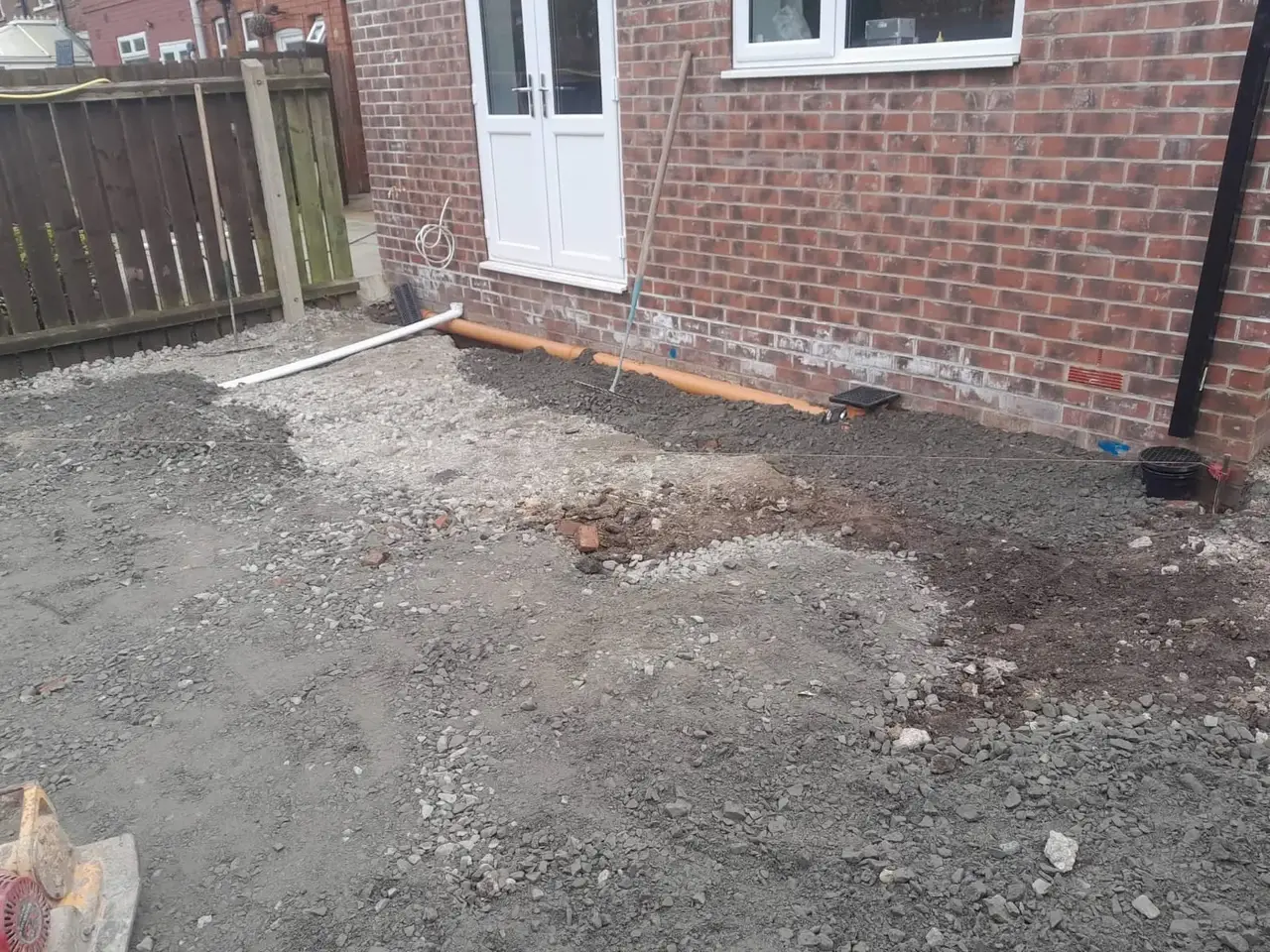
Recent imprinted concrete work


What customers say
“Fantastic team from start to finish very professional gave great advice”
Google review
“Highly recommended!!! Does all my property refurbs when it comes to artificial grass and/or groundwork’s. 100%”
Google review
“I found Pave It to be very good and their work is absolutely fantastic. I would definitely recommend them to all my family and friends. They are so efficient in all they do.”
Google review
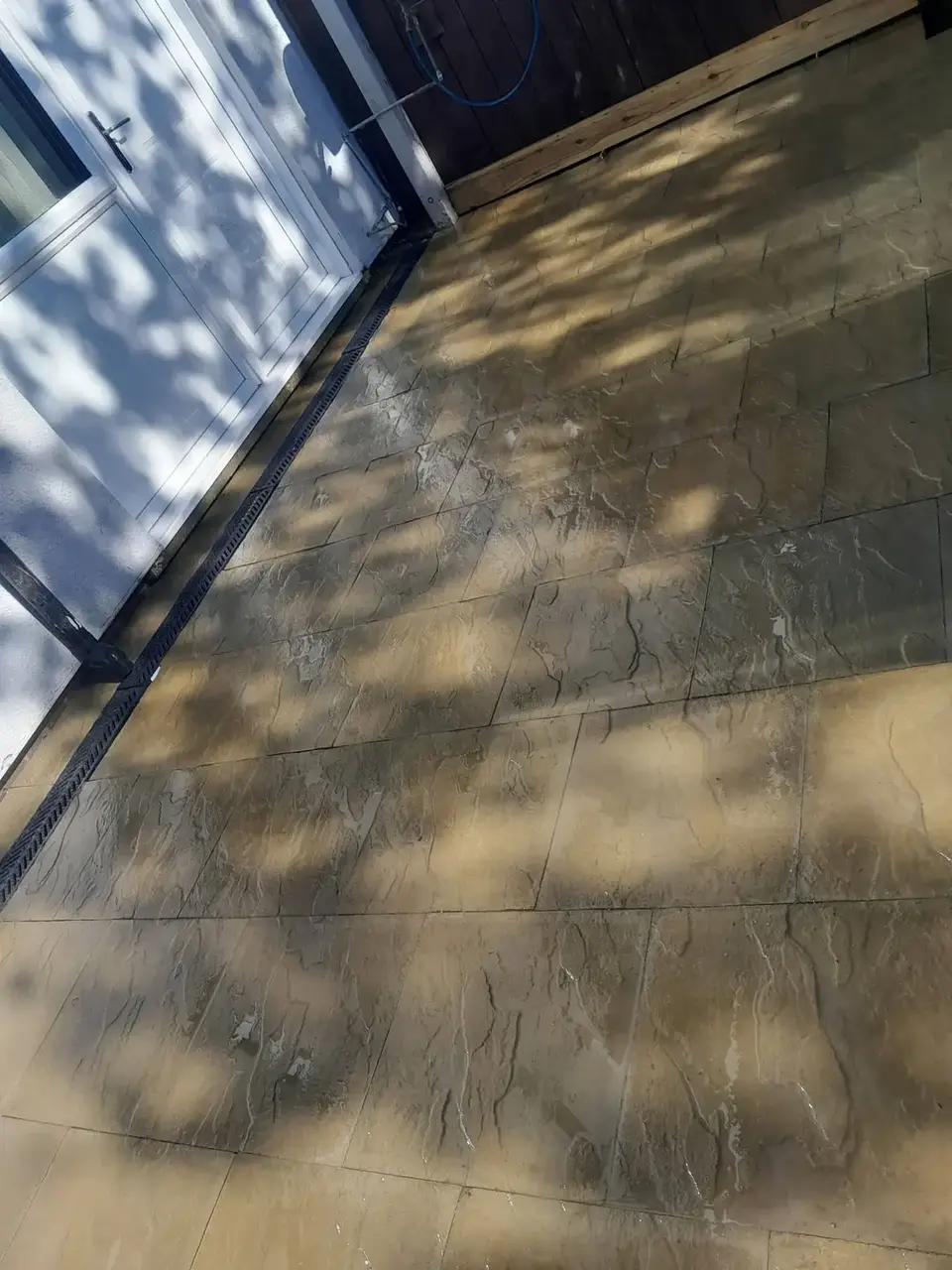
Concrete driveway projects




Imprinted Concrete questions
What is imprinted concrete?
It is ordinary poured concrete that is coloured, then stamped with moulds while still workable to look like slate, stone, brick or cobbles. It is finished with a protective sealer.
Is imprinted concrete better than block paving?
Neither wins everywhere. Imprinted concrete is seamless, with no joints for weeds, but cracks are harder to hide and repairs show. Block paving can be lifted and relaid but needs re-sanding. See the comparison below.
How thick should an imprinted concrete driveway be?
Industry guidance for domestic drives is commonly around 100mm or more, with reinforcement. That is a general norm, not our specification. Stable compacted sub-base; specify concrete thickness/reinforcement for ground and vehicle use; form falls and joints. Apply colour, release agent and pattern to system instructions.
Does imprinted concrete crack?
Concrete can always crack. Planned control joints, a stable base and reinforcement guide where it happens and keep it hairline. Cracks from a poor base or no joints are the usual problem.
How often does imprinted concrete need resealing?
Sealer wears with traffic and weather. Many suppliers suggest resealing every few years, which is a general figure.
Is imprinted concrete slippery?
It can be when wet, especially with a high-gloss sealer or algae. Anti-slip additives in the sealer and keeping it clean reduce the risk. Patterns, colour hardeners/release agents and compatible sealer from chosen system.
Can imprinted concrete be repaired?
Small cracks can be filled and colour-matched, but an exact match is hard because the colour fades with age. Larger repairs are more visible than on block paving.
Do I need planning permission for imprinted concrete?
Concrete is not permeable. Over five square metres of front garden draining to the road needs planning permission, unless water runs to a lawn, border or soakaway. A dropped kerb needs highway permission.
How we work
Every job follows the same eight stages, so you know what happens next.
Enquiry
You call, message us on WhatsApp or send the quote form. We note what you want and arrange a visit.
Site visit and measure
We come to your property, look at access, levels and drainage, and measure up. This is free.
Written fixed quote
You receive a written fixed quote that sets out the work, so you can compare it with confidence.
Groundwork plan
We agree the dig depth, base, edging and where the water will go before any work starts.
Dig-out and base
We excavate, remove spoil and build the sub-base in compacted layers, because the base decides how long the surface lasts.
Laying
We lay your chosen surface to the agreed levels and falls, cutting neatly at edges and drains.
Finishing and sealing
We fill and brush joints, apply sealing where the material calls for it, and tidy the edges.
Handover and aftercare
We walk you round the finished job and explain how to look after it.
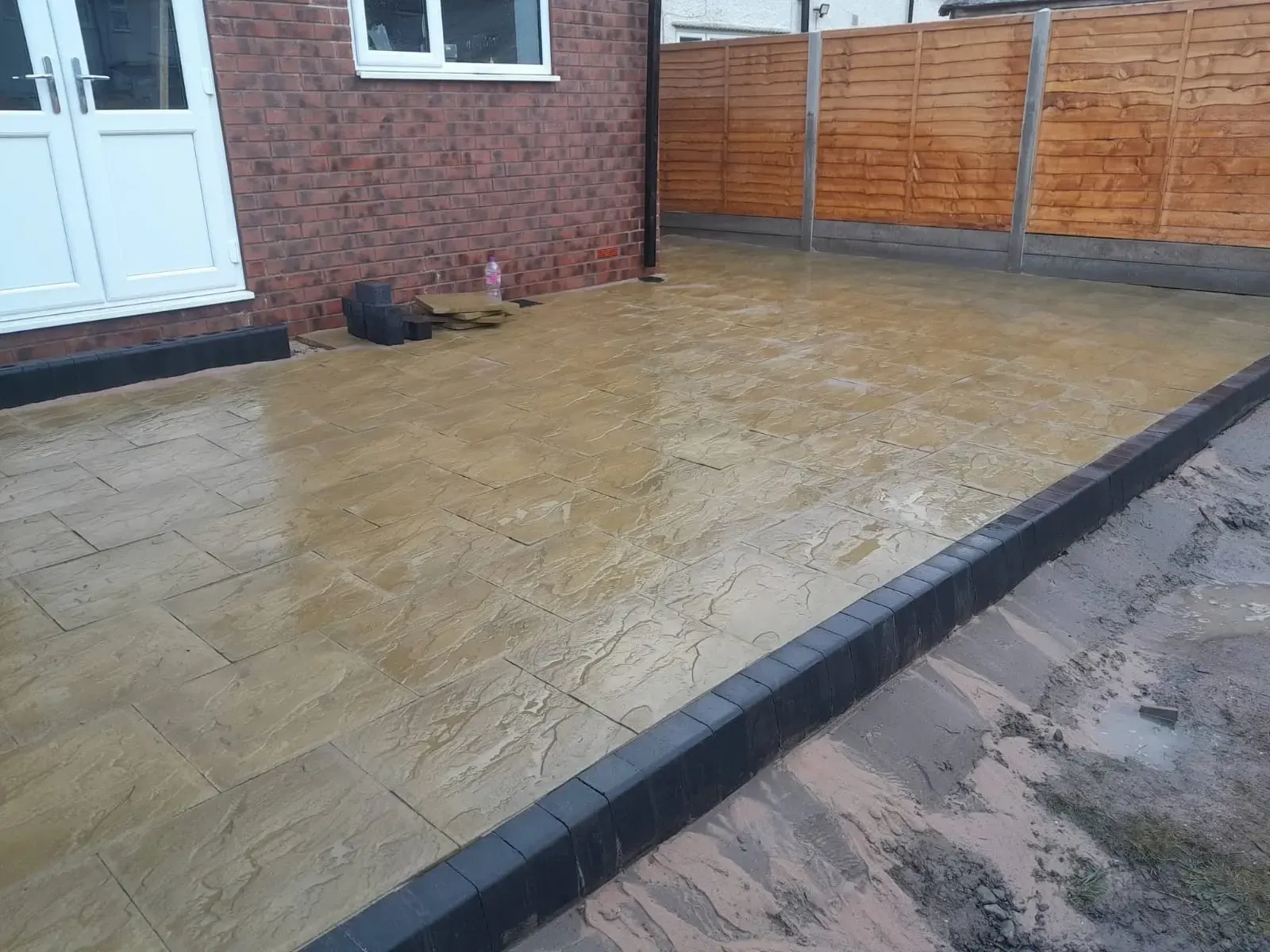
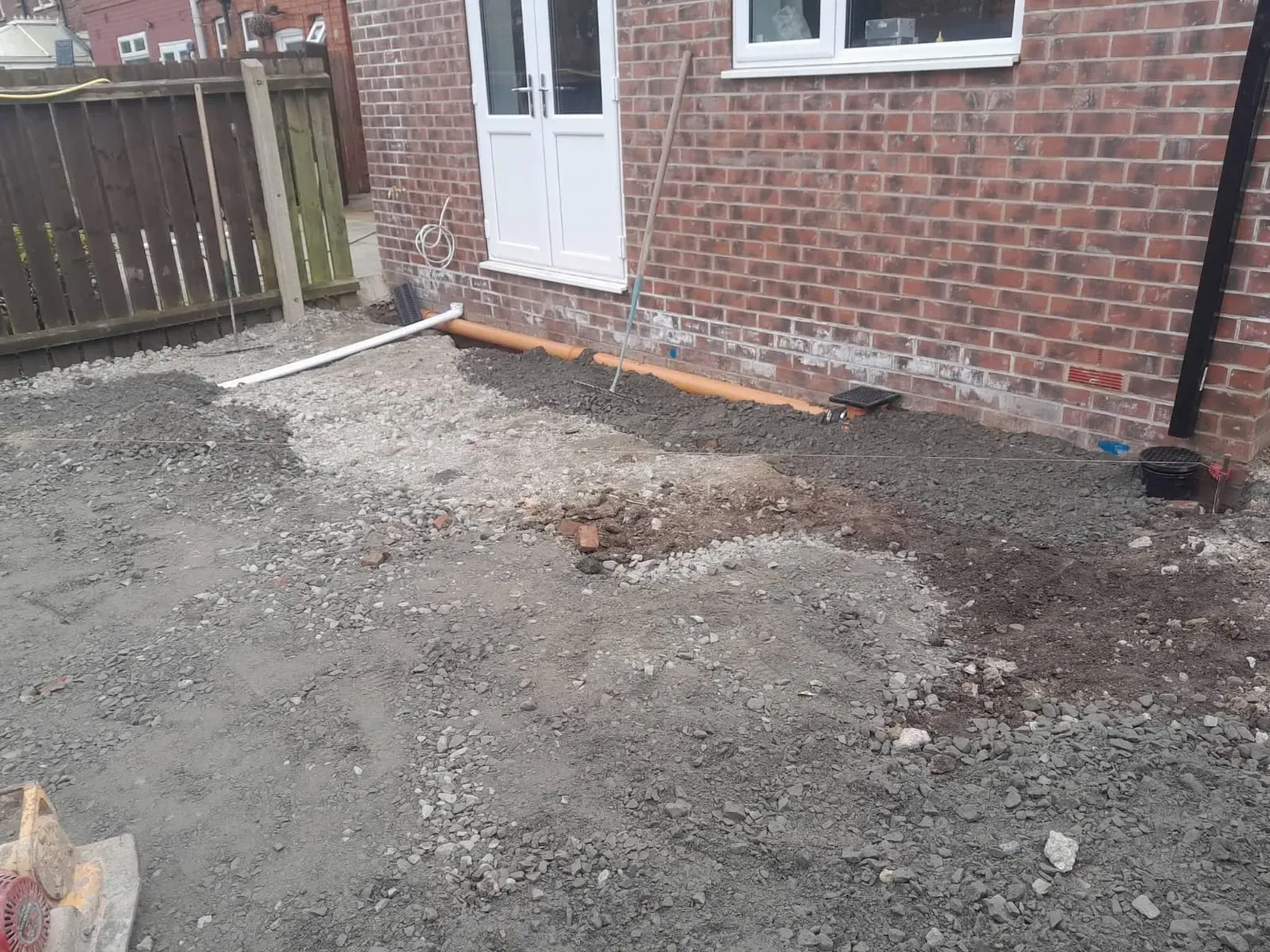
Before and after
Drag the handle to compare the ground before we started with the finished job.
 BeforeAfter
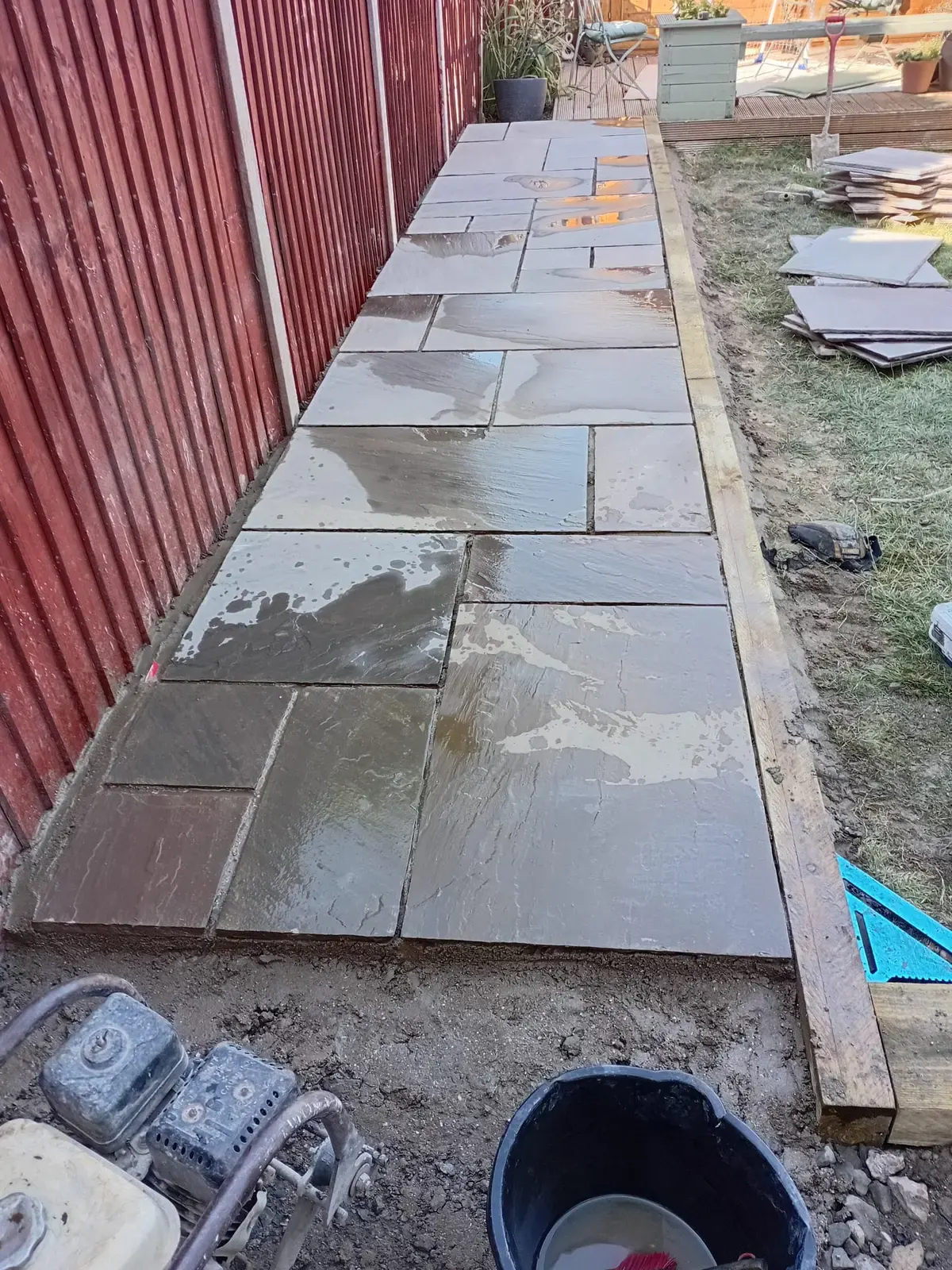
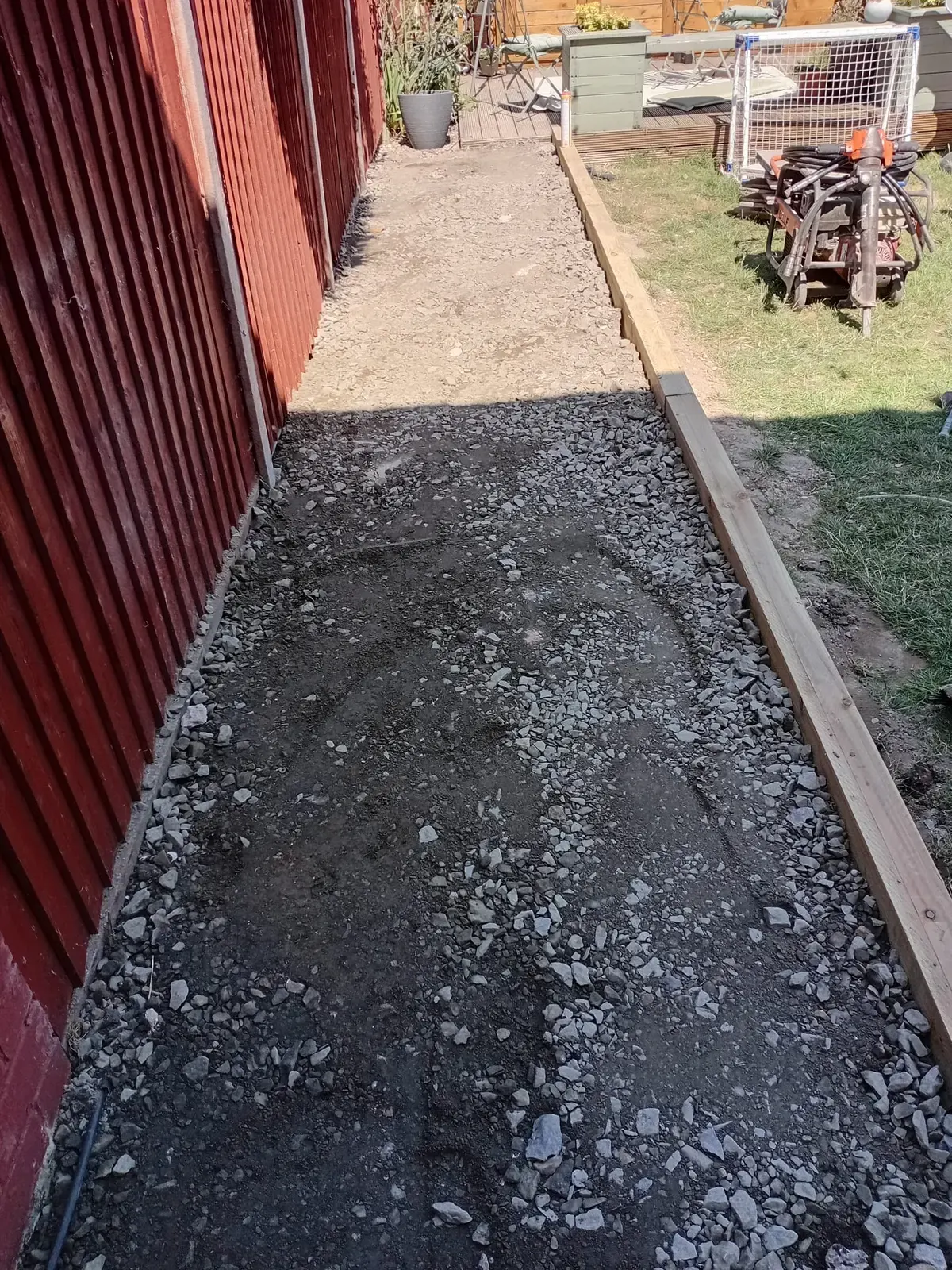 BeforeAfter
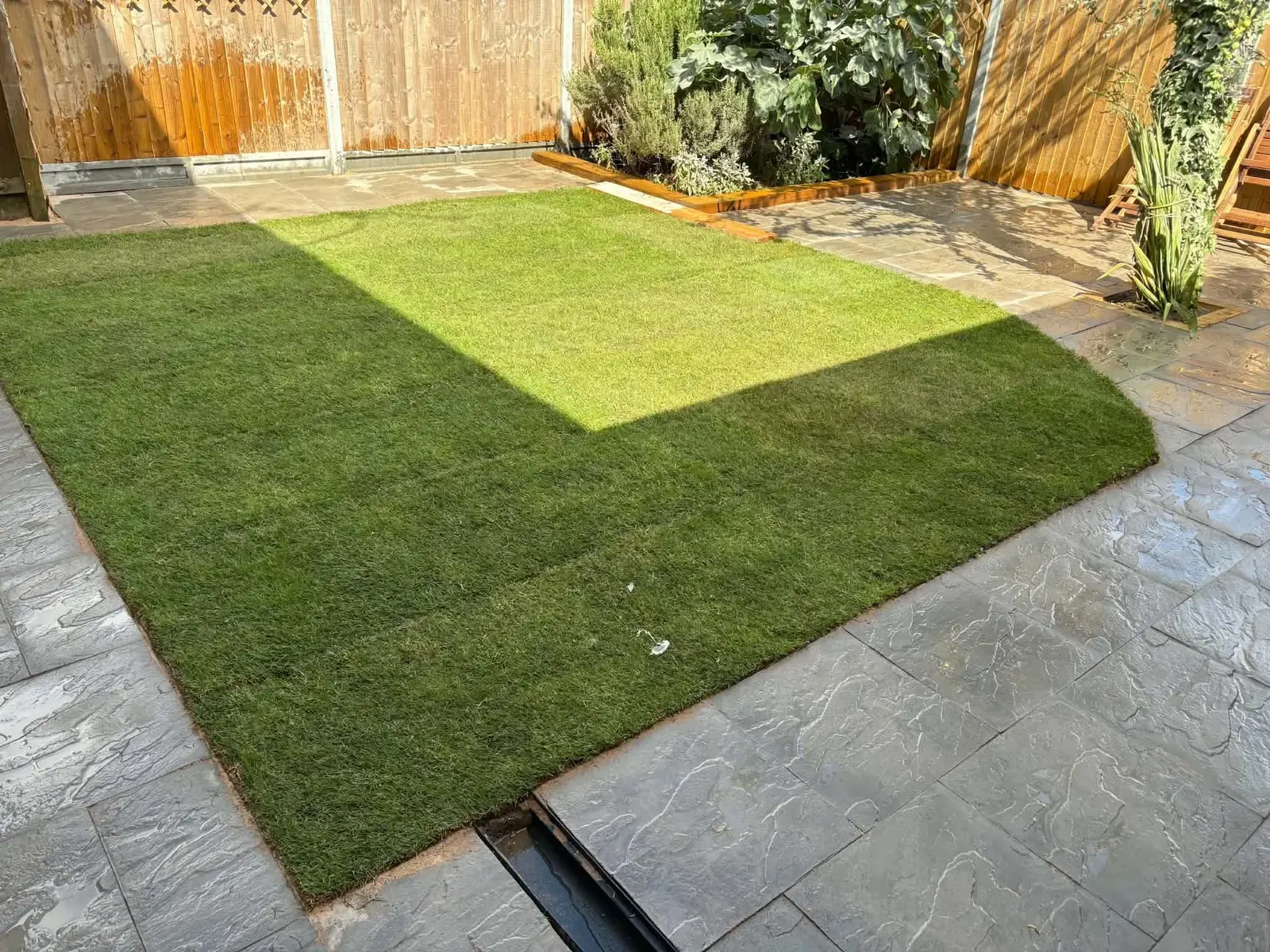
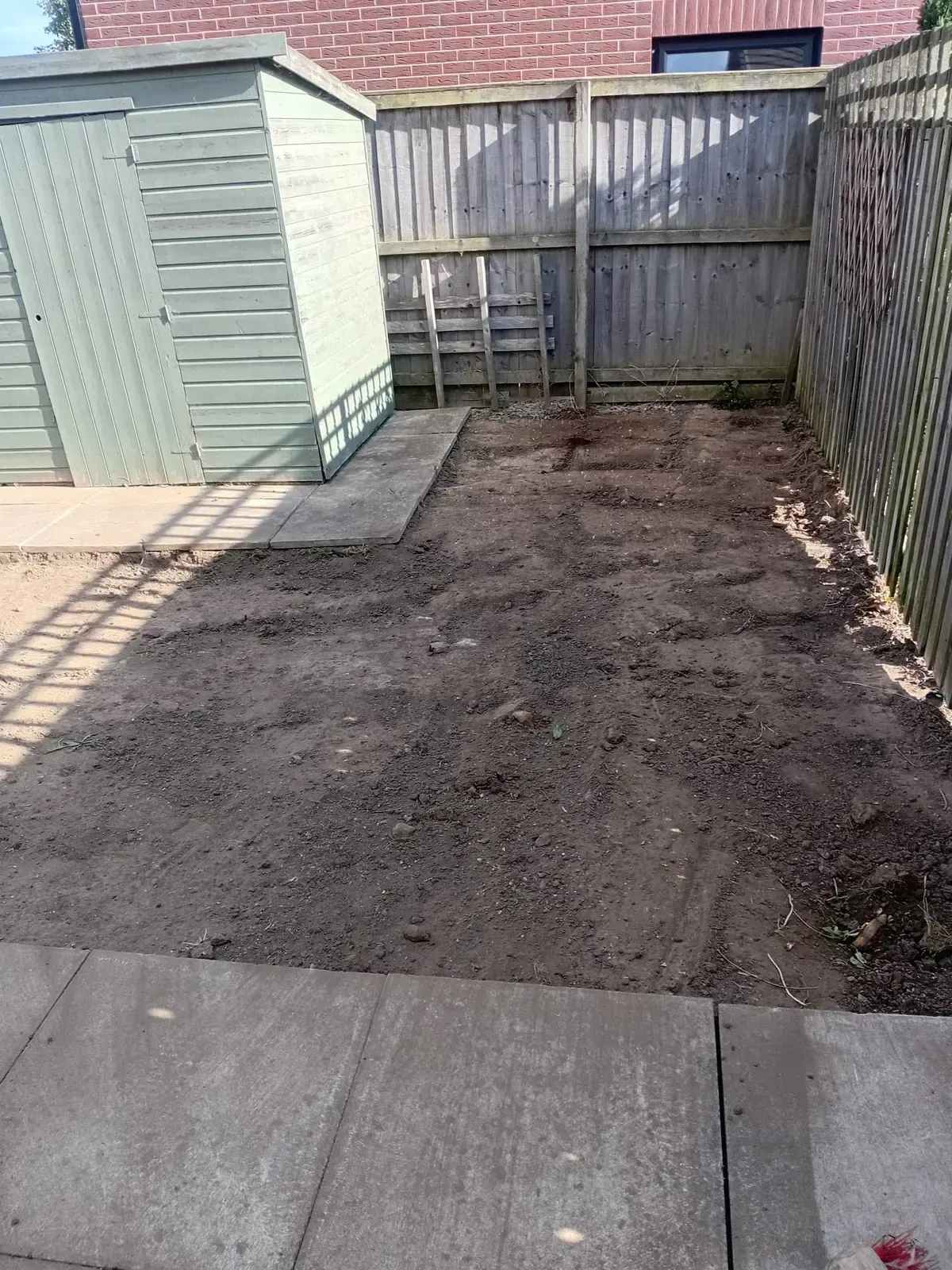 BeforeAfter
Ready for a free quote?
Tell us about the job. We will visit, measure up and give you a written fixed quote.