
Local paving and groundwork
Artificial Grass in Hull
A lawn that stays green all year, built on a firm, free-draining base so it stays flat and does not hold water.
Get your free quote
No obligation. Tell us where to reach you and we will be in touch.
Is artificial grass right for me?
Artificial grass is a good fit for a small or shaded lawn that never quite recovers, a garden with children or dogs, or a space where mowing is a chore. It is not maintenance-free, and it is only as good as what is underneath it.
This page explains how we prepare the ground, what the base is for, and what to think about before you choose. It gives general information, and every garden is quoted individually after a free site visit. We supply and fit artificial grass.
Who artificial grass suits, and who it does not
It suits you if you want a green lawn with little upkeep, you have a small garden or one that gets heavy use, or you want a tidy surface next to a patio or path.
It may not suit you if you want a natural lawn that wildlife can use, or you have large, sun-baked areas, since the surface can get warm in strong sun. For a natural finish, see turfing. For a hard-wearing patio beside it, see patios.
Our artificial grass build process
Our process, in order:
- Humber Ground Assessment. At the free visit we check the existing lawn, the levels, the soil, trees and where water collects.
- Drainage-First Plan. We set out falls and the water route before we dig, because puddles under grass are hard to fix afterwards.
- Dig and clear. The old turf and roots are removed to the agreed depth. Disposal: the old turf and roots are taken away, as set out in your written quote.
- Deep-Base Build. We lay and compact a stone sub-base in layers, then a fine, level layer to take the grass. Depth and stone: Remove unsuitable material; install and compact a free-draining aggregate sub-base, geotextile where appropriate, secure perimeter edging and provide suitable falls. Join turf to manufacturer instructions..
- Edging. A solid edge holds the base and the grass in place at the border or path. Remove unsuitable material; install and compact a free-draining aggregate sub-base, geotextile where appropriate, secure perimeter edging and provide suitable falls. Join turf to manufacturer instructions.
- Membrane. A weed membrane goes down to slow weeds from below.
- Laying and seams. The grass is rolled out in one direction, left to relax, trimmed to shape, and seams are joined and fixed so they do not show.
- Finishing. The grass is secured at the edges, brushed up, and infilled if the product needs it. Choice of pile heights and colours from our supplier; use manufacturer-recommended infill if required.
Artificial Grass materials, finishes and colours
Pile height and density. As a general industry norm, shorter pile suits heavy use and is easier to keep tidy, and longer pile looks softer. This is not our specification. Choice of pile heights and colours from our supplier; use manufacturer-recommended infill if required.
Backing. The backing should let water pass through, and the base under it should drain too. A solid backing over a poor base holds water.
Sub-base. As a general guide, a compacted stone layer of around 50 to 75mm sits under a thin levelling layer, but this is not our specification and varies with the ground. Remove unsuitable material; install and compact a free-draining aggregate sub-base, geotextile where appropriate, secure perimeter edging and provide suitable falls. Join turf to manufacturer instructions.
Infill. Some products use a sand infill to weight the surface and help it stand up. Others do not need it.
Colour and look. Samples should be seen outside, in daylight, next to your paving and planting, not just indoors.
Drainage, planning and building regulations
Falls. A gentle fall across the lawn helps any surface water to move on, as a general norm about 1 in 80, so that the grass does not sit in a hollow. Remove unsuitable material; install and compact a free-draining aggregate sub-base, geotextile where appropriate, secure perimeter edging and provide suitable falls. Join turf to manufacturer instructions.
Water through the surface. The base must take water away and not hold it. On clay, we plan the depth and the outlet with care.
Trees. Roots need water and air. We look at the species and the root area before laying and we may adjust the layout.
Planning. A garden lawn does not usually need planning permission. Replacing a front lawn with a hard surface is different, and listed buildings and conservation areas have extra rules. Check with your council.
Timescales and aftercare
A small garden can be done in a day or two once the ground is ready, and a larger one takes longer. Our current guide is typically 2 to 4 working days for a typical domestic garden. We do not lay on waterlogged ground.
Aftercare. Brush the pile now and then, clear leaves, rinse pet areas and treat weeds at the edges. Keep hot items such as barbecue trays and fire pits off the surface. Guarantee: covered by our guarantee, with the terms set out in your written quote.
Artificial Grass costs in Hull
We quote each lawn individually and give a fixed written price after the free visit. Guide prices:
Artificial grass, supplied and laid: From £75 per m².
What moves the price: area, product, base depth, shape and cuts, access and the amount of waste to remove.
What is included: the preparation, materials, labour and tidy-up listed in your written quote.
Common problems and contractor mistakes
- Too thin a base. The surface goes bumpy and the edges drop.
- Poor drainage. Water sits on a clay lawn and the surface smells and grows moss.
- Visible seams. Pile laid in different directions, or seams joined badly, show up in low sun.
- Weak edges. Grass tucked in with no firm edge lifts and curls.
- Laid over weeds with no membrane. They push through.
- Wrong product for the use. A decorative lawn laid where dogs run all day.
Artificial Grass in Hull: local ground and weather
Hull’s clay subsoil holds water, so the base under artificial grass has to drain, and the work is best done in a dry spell. Many gardens are small and enclosed, so access for materials and waste is planned in advance, and the base is often moved by barrow. Shaded plots that never keep a natural lawn are a common reason people ask for it. We work across Hull, Beverley and Hessle.
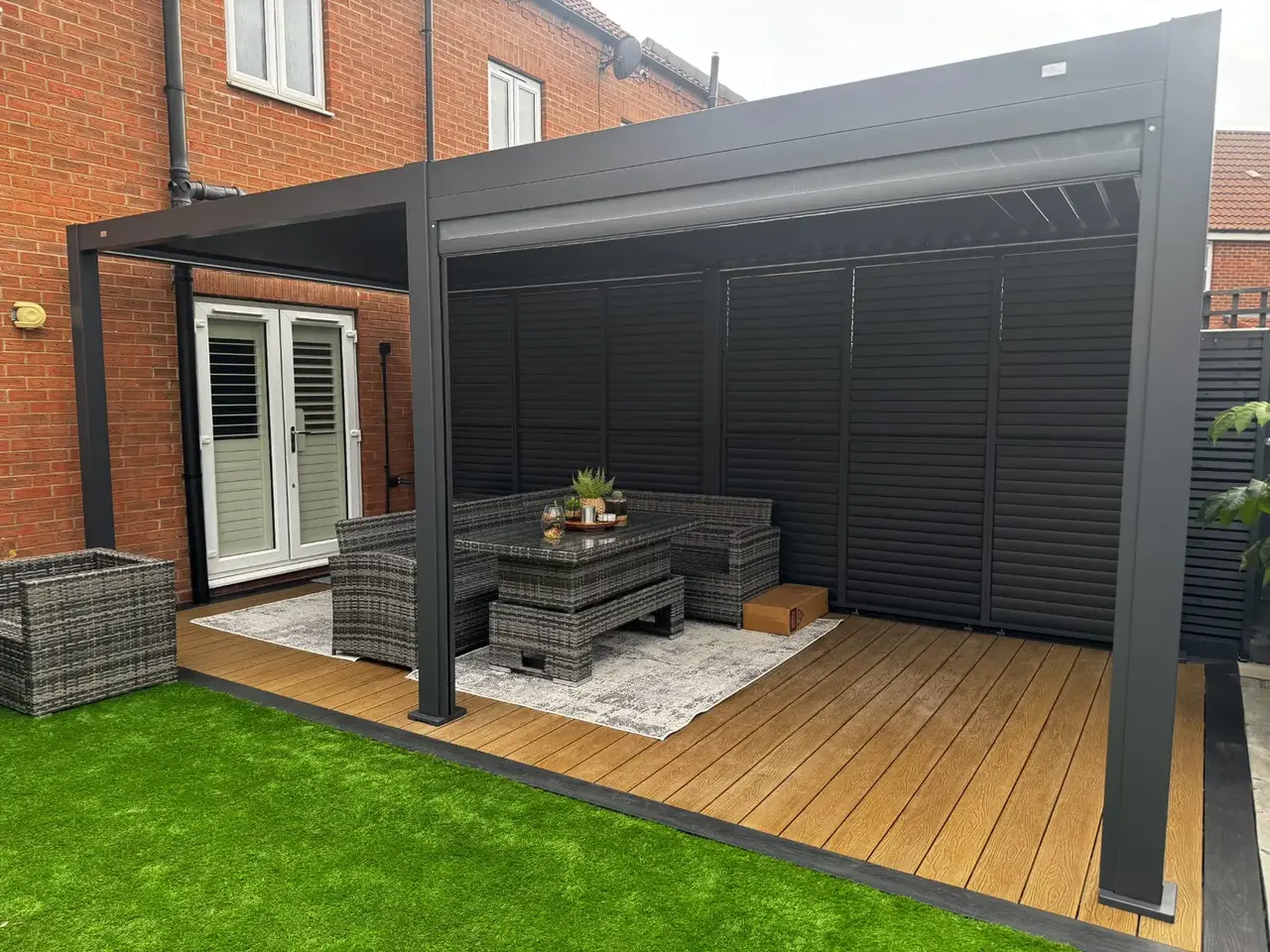
Recent artificial grass work
What customers say
“Fantastic team from start to finish very professional gave great advice”
Google review
“Highly recommended!!! Does all my property refurbs when it comes to artificial grass and/or groundwork’s. 100%”
Google review
“I found Pave It to be very good and their work is absolutely fantastic. I would definitely recommend them to all my family and friends. They are so efficient in all they do.”
Google review
Artificial Grass questions
Does artificial grass need a base?
Yes. The base is what keeps the surface flat and lets water drain. Laying turf-like material straight onto soil, or onto a thin layer of sand, leads to dips, weeds and puddles.
How long does artificial grass last?
It depends on the product, the use and the sun. We do not quote a lifespan we cannot back up.
Is artificial grass suitable for dogs?
Many people use it with dogs, and a free-draining base helps. Urine needs rinsing away, and the surface may need an occasional wash. Not every product is made for heavy pet use.
What pile height is best?
As a general industry norm, shorter pile is easier to keep tidy and suits heavy use, while longer pile looks softer and suits gardens. This is not our specification. Choice of pile heights and colours from our supplier; use manufacturer-recommended infill if required.
Does artificial grass drain on clay soil?
It can, if the base is built to take the water away. Clay holds water, so the depth, the stone and the falls matter. We assess the ground at the visit. Remove unsuitable material; install and compact a free-draining aggregate sub-base, geotextile where appropriate, secure perimeter edging and provide suitable falls. Join turf to manufacturer instructions.
Do I need planning permission?
Usually not for a garden lawn. If you are replacing a front garden lawn with a hard surface the rules differ, and listed buildings and conservation areas have extra rules. Check with your council.
Can artificial grass go under trees?
It can, but tree roots need water and air. We look at the species and the root area before laying and may leave a gap or use a different layout.
How do I look after artificial grass?
Brush it, remove leaves and debris, rinse it now and then and deal with weeds at the edges quickly. Follow the care advice for your product.
How we work
Every job follows the same eight stages, so you know what happens next.
Enquiry
You call, message us on WhatsApp or send the quote form. We note what you want and arrange a visit.
Site visit and measure
We come to your property, look at access, levels and drainage, and measure up. This is free.
Written fixed quote
You receive a written fixed quote that sets out the work, so you can compare it with confidence.
Groundwork plan
We agree the dig depth, base, edging and where the water will go before any work starts.
Dig-out and base
We excavate, remove spoil and build the sub-base in compacted layers, because the base decides how long the surface lasts.
Laying
We lay your chosen surface to the agreed levels and falls, cutting neatly at edges and drains.
Finishing and sealing
We fill and brush joints, apply sealing where the material calls for it, and tidy the edges.
Handover and aftercare
We walk you round the finished job and explain how to look after it.
Before and after
Drag the handle to compare the ground before we started with the finished job.
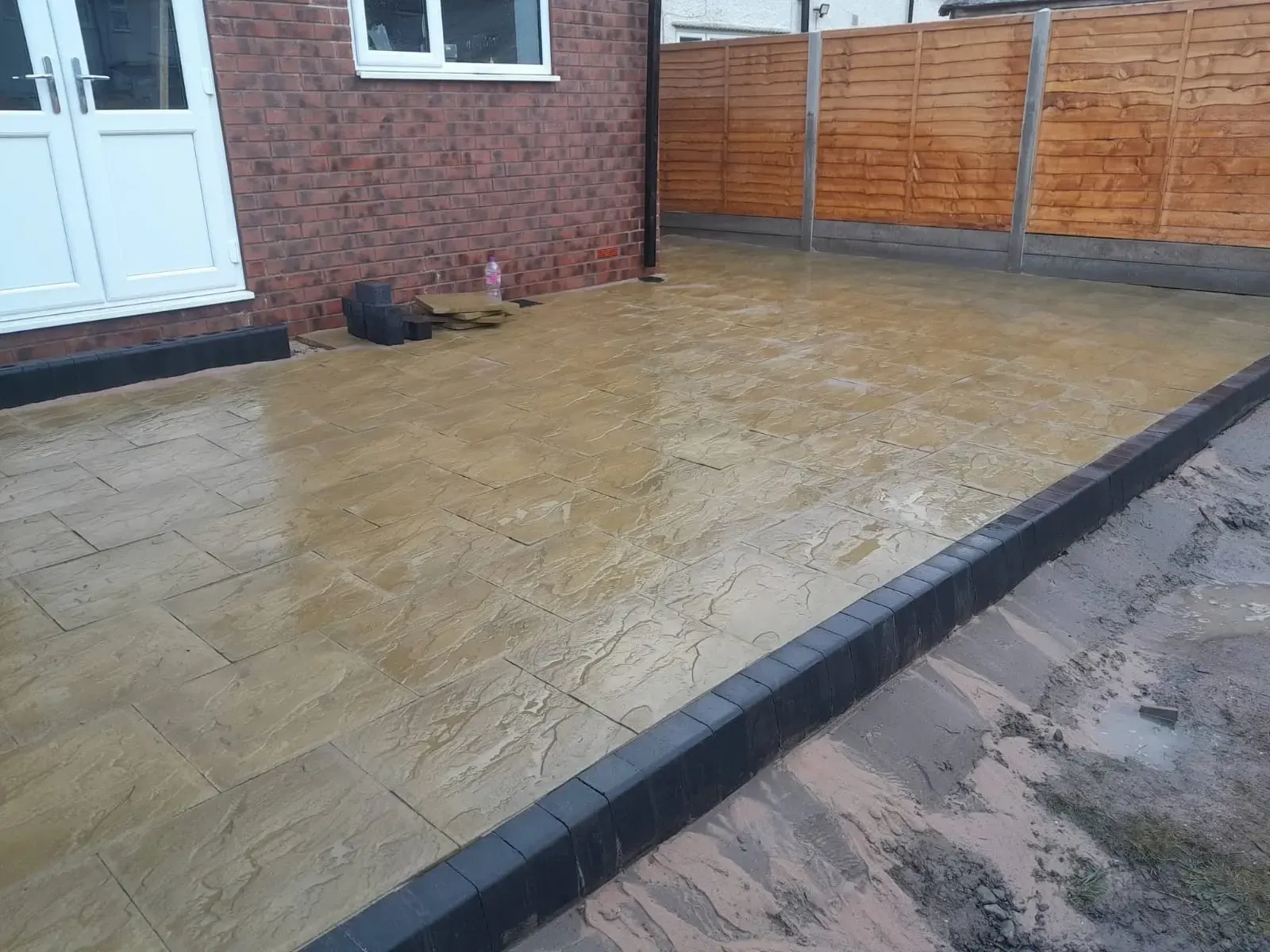
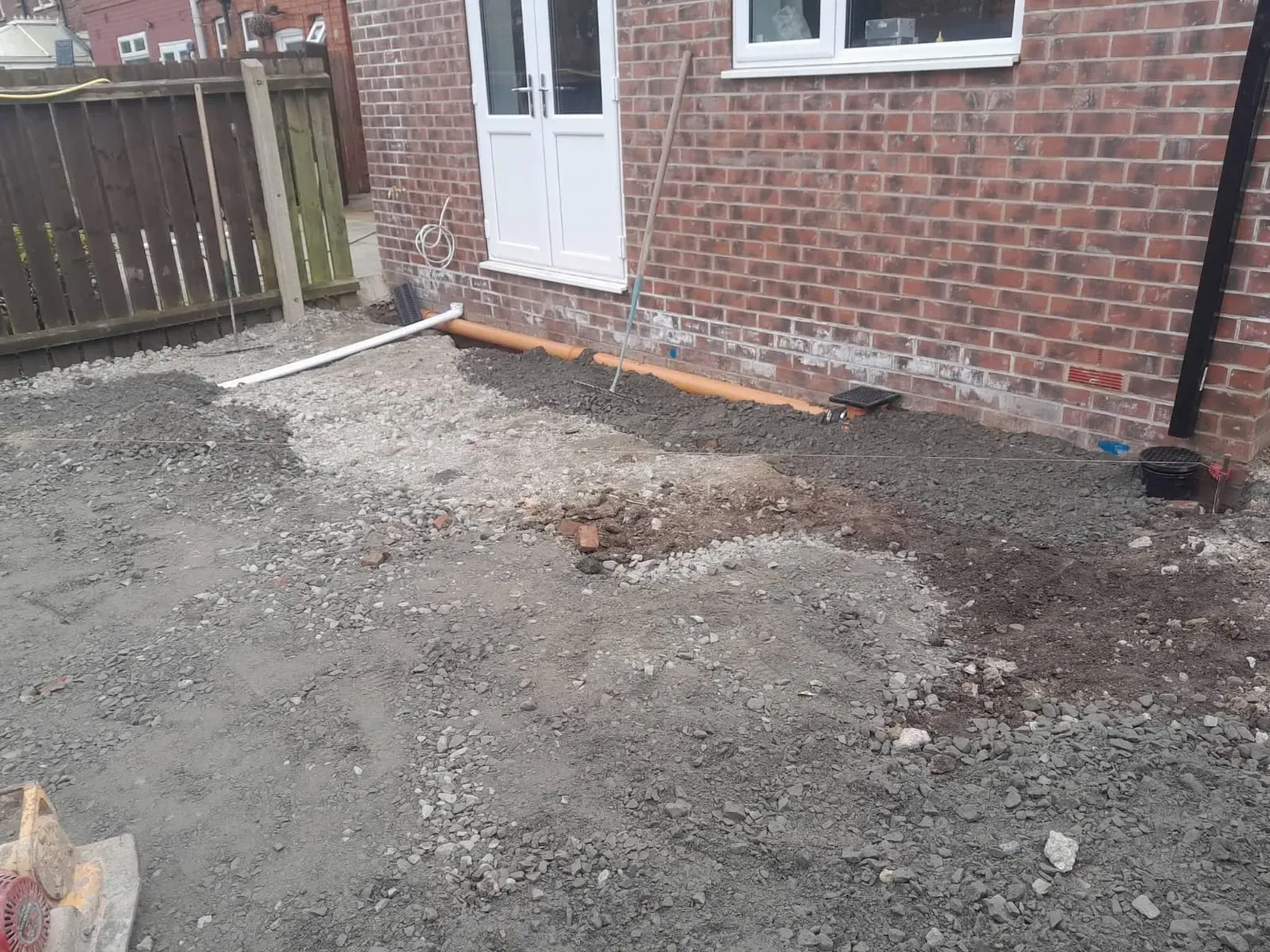 BeforeAfter
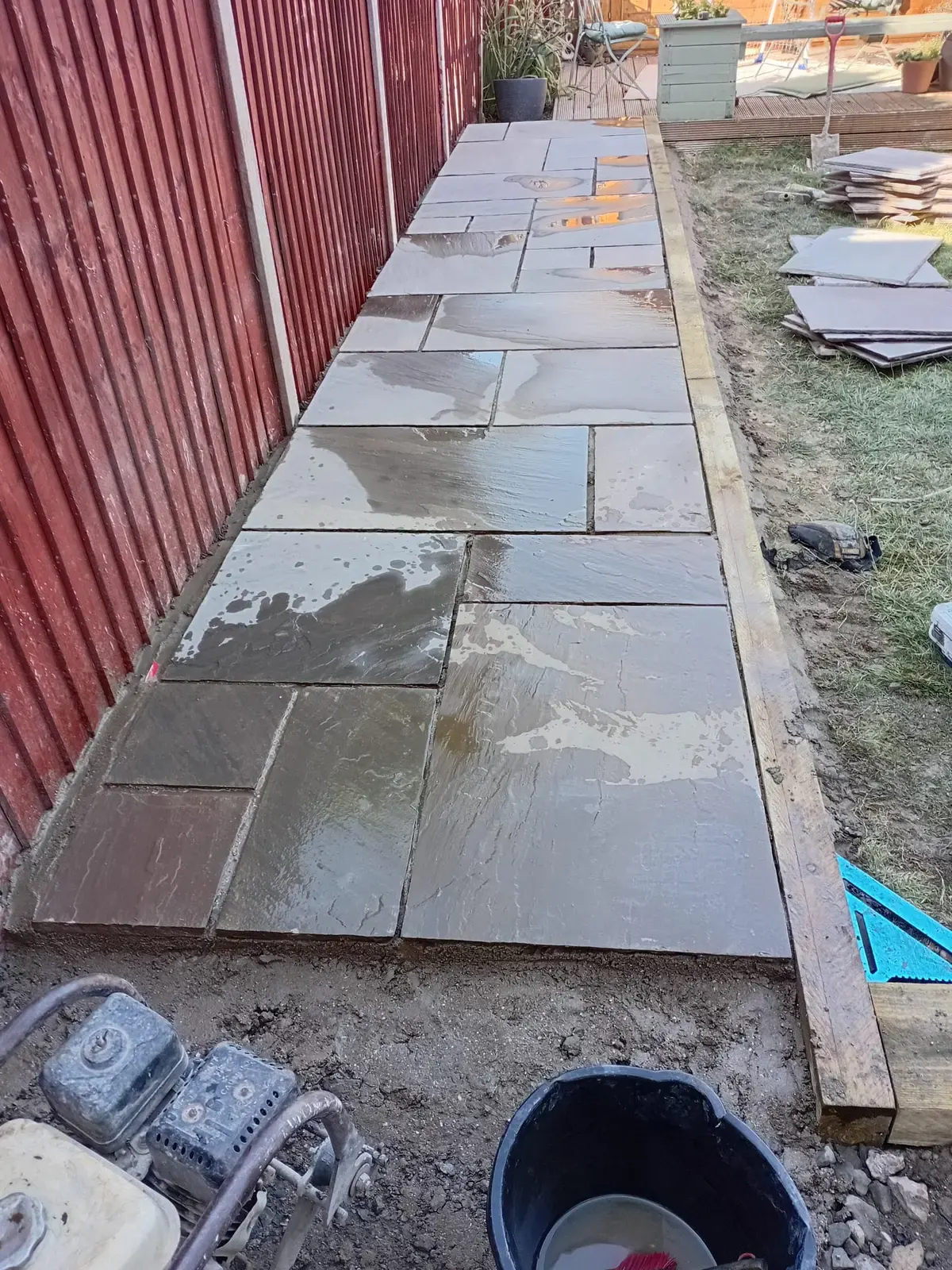
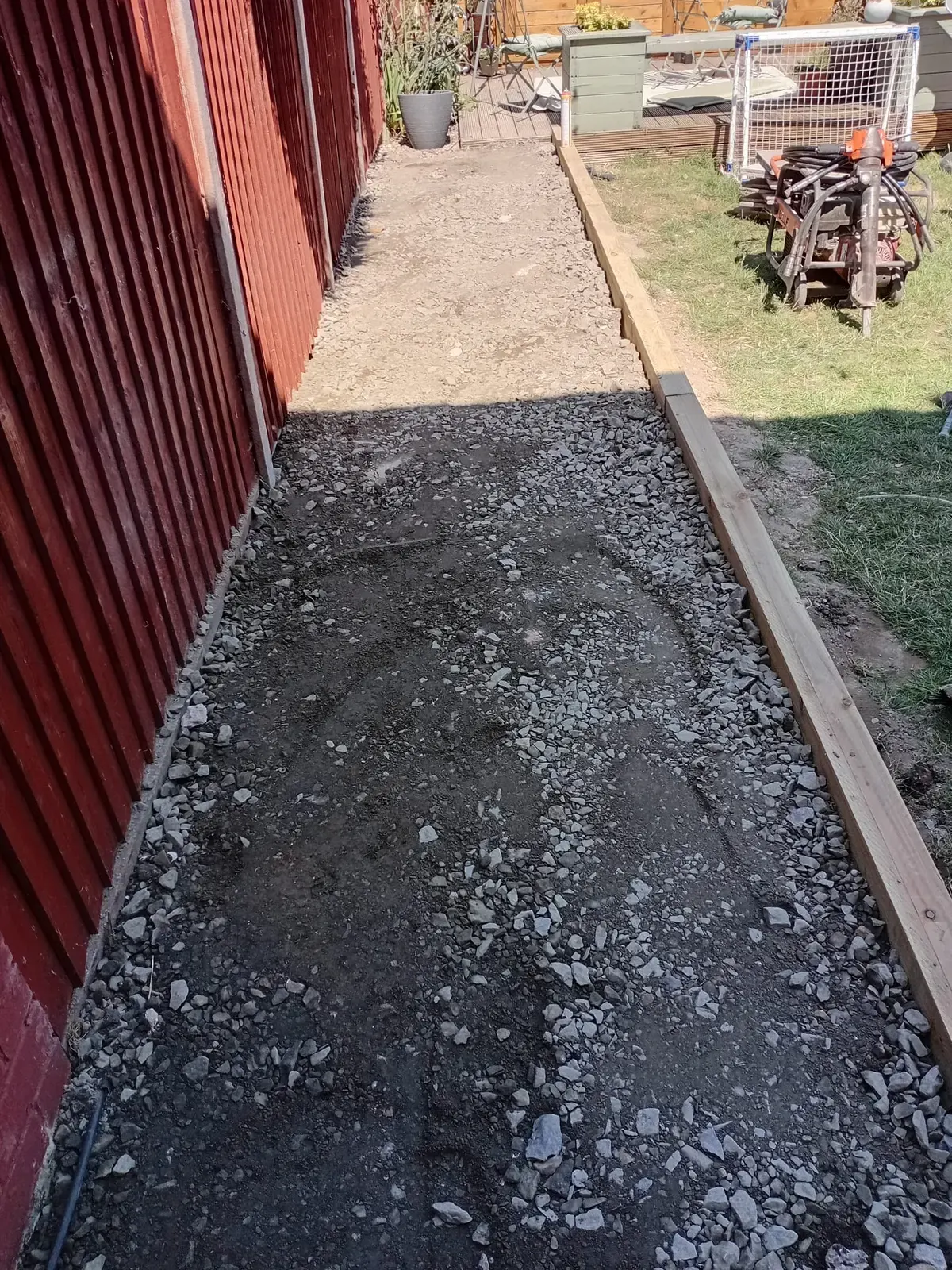 BeforeAfter
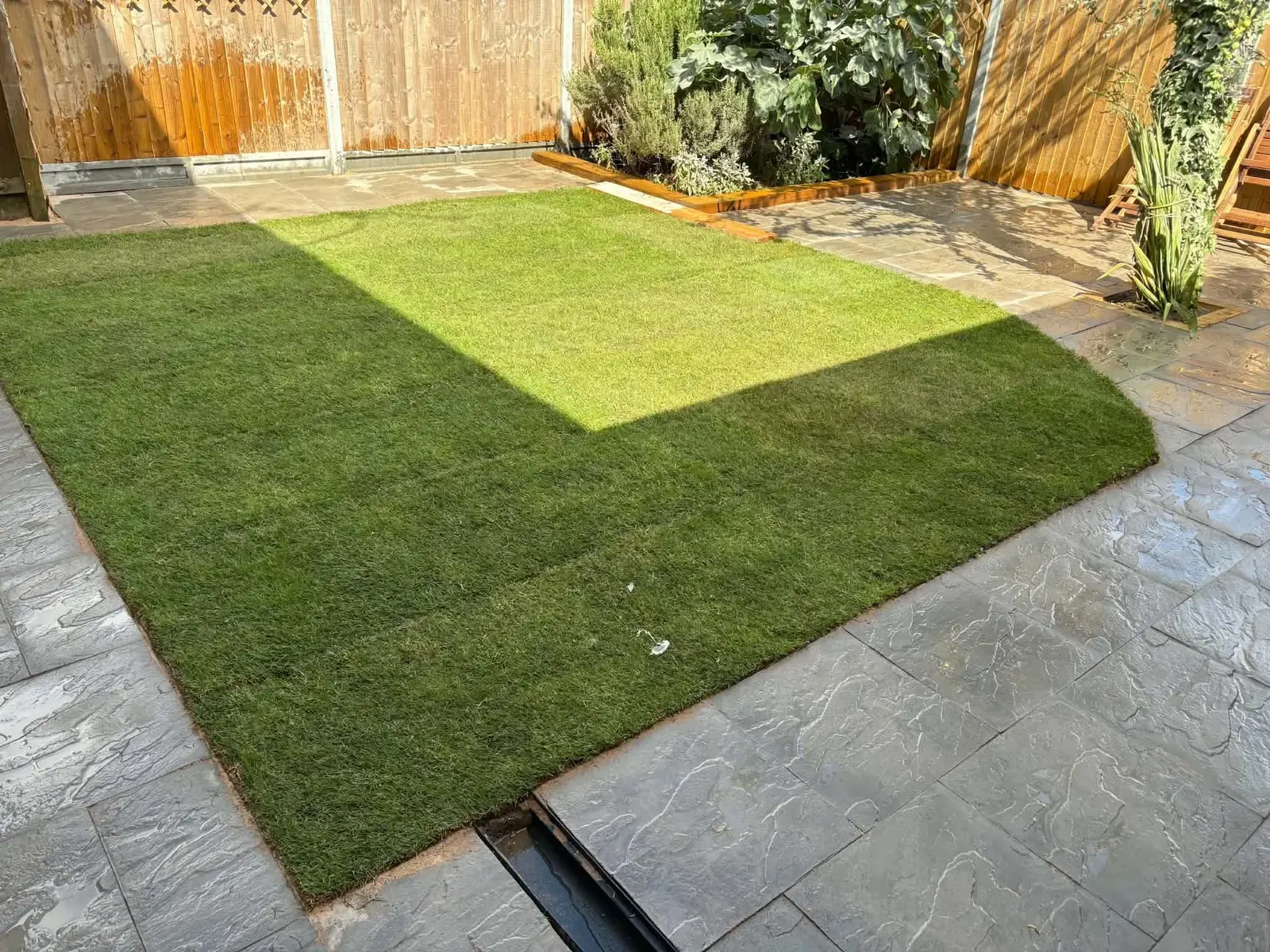
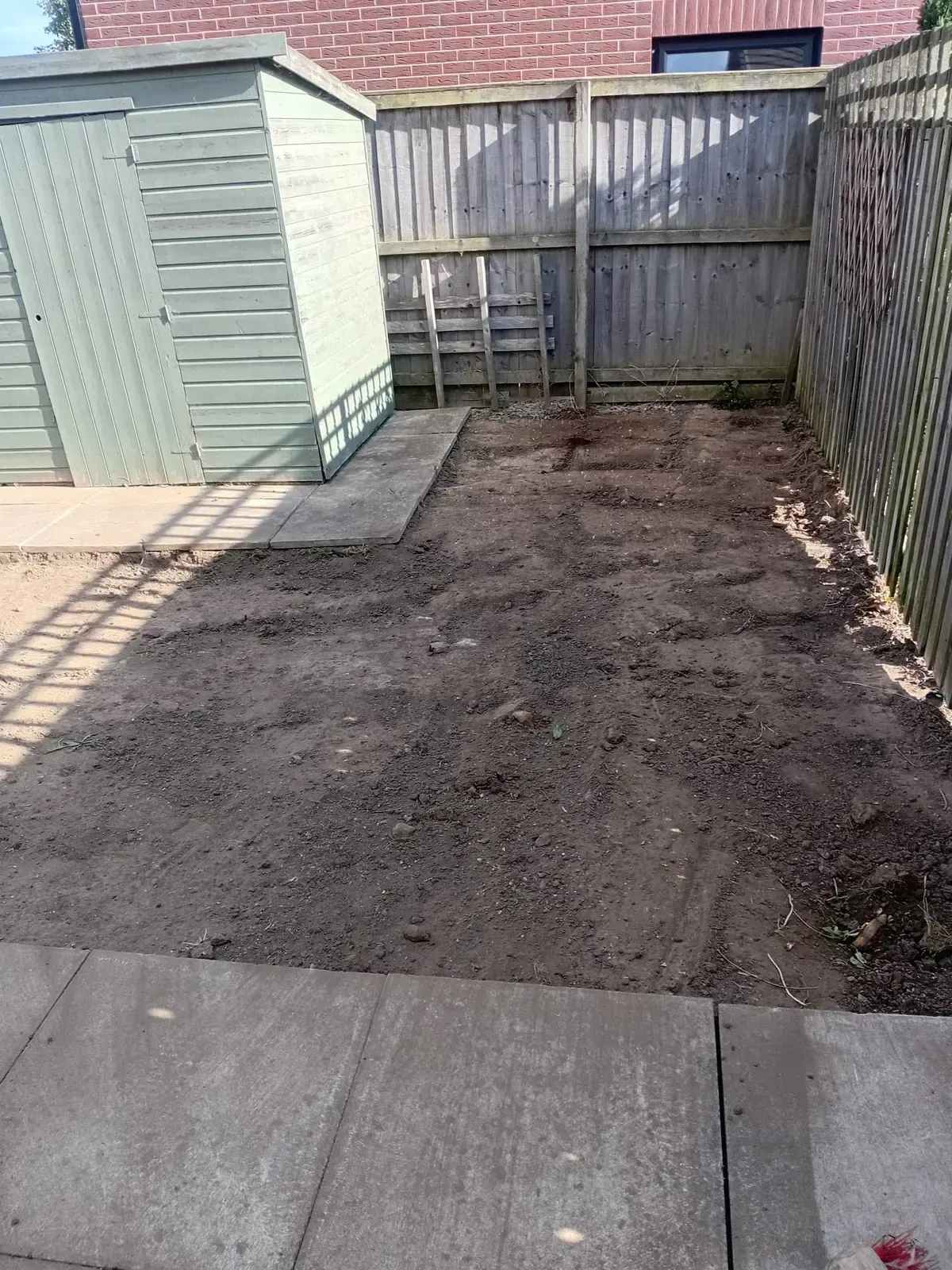 BeforeAfter
Ready for a free quote?
Tell us about the job. We will visit, measure up and give you a written fixed quote.