
Local paving and groundwork
Gravel Driveways in Hull
A permeable drive that stays put, thanks to a firm base, a membrane, edging and a grid to hold the stone.
Get your free quote
No obligation. Tell us where to reach you and we will be in touch.
Is gravel driveways right for me?
Gravel is a popular choice for a front garden drive because it looks natural, lets water through and costs less than most hard surfaces. It also has a reputation for ruts, weeds and stones in the road. Almost every gravel complaint comes from a drive built with no base, no edge or no grid.
This page explains how we build a gravel drive that stays in place, what it can and cannot do and what to think about before you choose. Every drive is quoted individually after a free site visit. We build gravel driveways, including excavation, edging and a stabilisation grid where specified.
Who gravel driveways suits, and who it does not
It suits you if you want a permeable, natural-looking front drive, you are happy to rake it now and then and you do not need a perfectly smooth surface.
It may not suit you if you have a steep slope, you push pushchairs or wheelchairs over the drive daily, or you want something that needs no tidying. For a smooth, firm drive, see tarmac, resin bound or block paving.
Our gravel driveways build process
Our process, in order:
- Humber Ground Assessment. At the free visit we check the levels, the soil, the slope, access and where the water goes now.
- Drainage-First Plan. We set the fall and decide where surface water will go, so gravel does not wash out onto the road.
- Dig out. We remove the old surface and soil to depth and take it away.
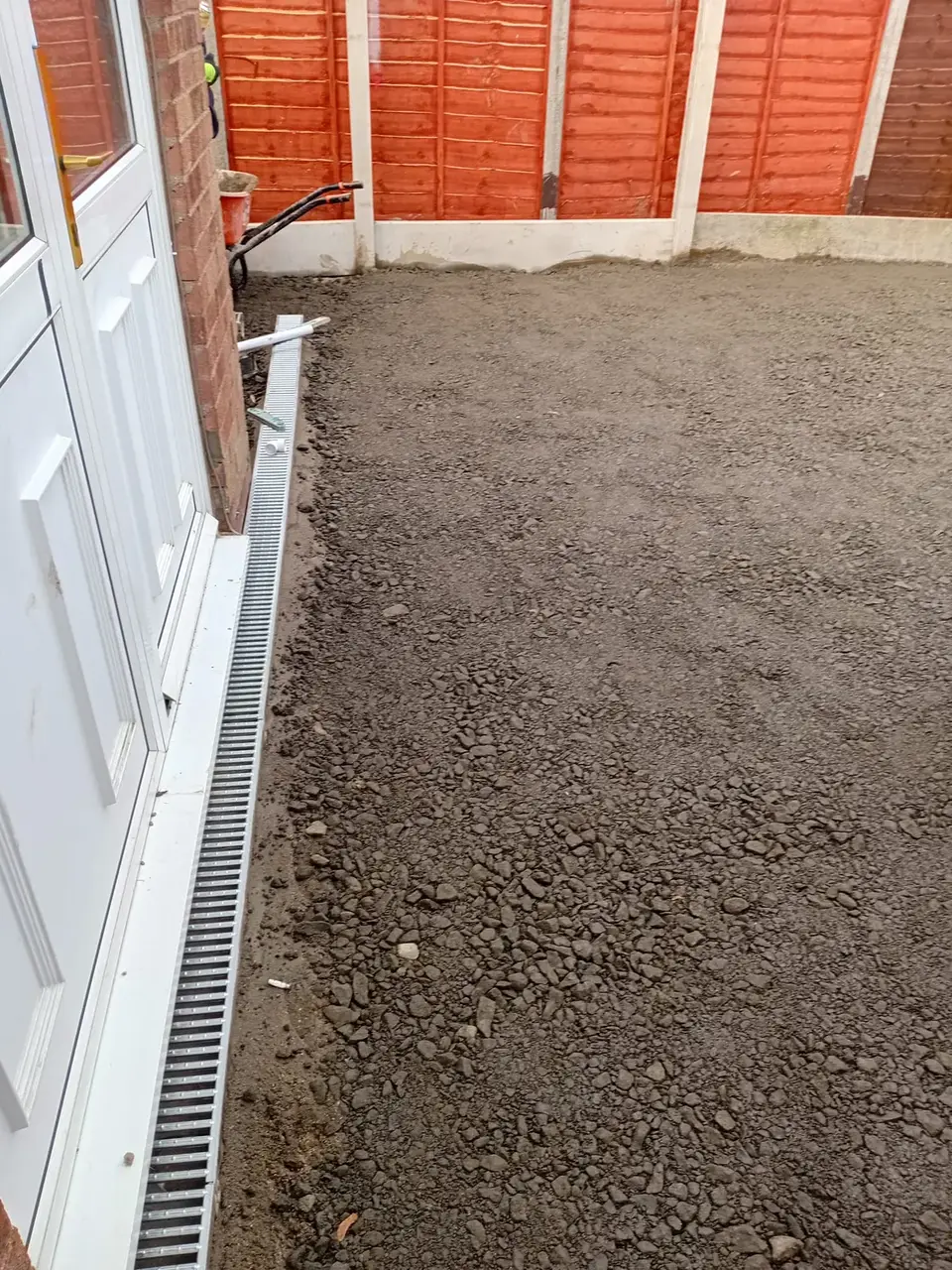
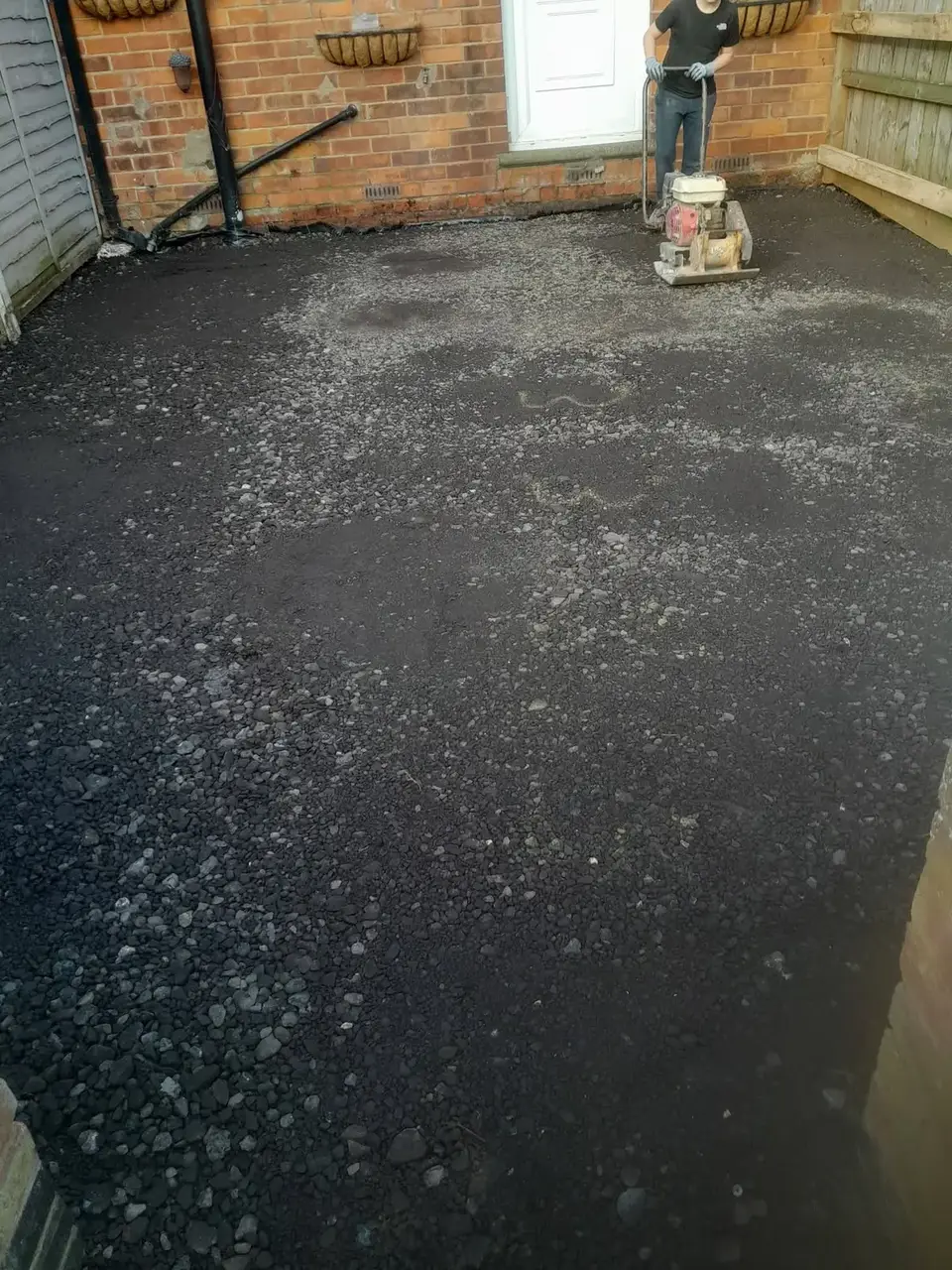
- Deep-Base Build. We lay and compact a stone sub-base in layers. Depth and stone: Excavate and compact suitable sub-base, install secure edging and consistent gravel layer; use compatible grid where specified. Keep runoff on property and away from buildings/highway..
- Edge restraint. A firm edge holds the base and the stone at the boundary and the road. Excavate and compact suitable sub-base, install secure edging and consistent gravel layer; use compatible grid where specified. Keep runoff on property and away from buildings/highway.
- Membrane and grid. A geotextile goes on the base, then a cellular grid is laid and fixed. Excavate and compact suitable sub-base, install secure edging and consistent gravel layer; use compatible grid where specified. Keep runoff on property and away from buildings/highway.
- Stone. The gravel is spread and filled to the top of the grid, then raked level.
- Finishing. Edges are tidied and the stone is checked for depth and spread.
Gravel Driveways materials, finishes and colours
Stone. As a general industry norm, angular stone around 10 to 20mm locks together and resists movement better than rounded pebbles, which roll under tyres. This is not our specification. Decorative aggregates in selected colours and graded sizes.
Grid. A cellular grid holds the stone and stops ruts forming. It is especially worth having where cars turn. Excavate and compact suitable sub-base, install secure edging and consistent gravel layer; use compatible grid where specified. Keep runoff on property and away from buildings/highway.
Membrane. A geotextile layer separates the base from the soil and slows weeds.
Edging. Timber, steel, block or concrete edging keeps the gravel in. A hard strip next to the road stops stone spreading. Excavate and compact suitable sub-base, install secure edging and consistent gravel layer; use compatible grid where specified. Keep runoff on property and away from buildings/highway.
Depth. As a general guide, around 30 to 40mm of stone over the grid or base. This is not our specification. Excavate and compact suitable sub-base, install secure edging and consistent gravel layer; use compatible grid where specified. Keep runoff on property and away from buildings/highway.
Colour. Samples should be seen outside, wet and dry, because gravel changes colour with moisture.
Drainage, planning and building regulations
Permeable, not drained. Gravel lets water through, but the base under it still needs to take the water away. On clay, the base depth and the fall matter. Excavate and compact suitable sub-base, install secure edging and consistent gravel layer; use compatible grid where specified. Keep runoff on property and away from buildings/highway.
Falls. A gentle fall away from the house and away from the road stops water, and stone, running out of the drive. As a general norm, about 1 in 80. Excavate and compact suitable sub-base, install secure edging and consistent gravel layer; use compatible grid where specified. Keep runoff on property and away from buildings/highway.
Planning. A permeable front garden drive does not usually need planning permission for the surface. A dropped kerb needs permission from Hull City Council, and listed buildings and conservation areas have extra rules. Check with your council.
Timescales and aftercare
A standard drive is often a few days once the old surface is cleared, depending on size. Our current guide is typically 2 to 5 working days for a domestic driveway, depending on size and excavation. We do not lay on waterlogged ground.
Aftercare. Rake the stone level, top it up where it thins, and pull or treat weeds when they appear. A grid keeps ruts to a minimum. Guarantee: covered by our guarantee, with the terms set out in your written quote.
Gravel Driveways costs in Hull
We quote each drive individually and give a fixed written price after the free visit. Guide prices:
Gravel driveway with grid, laid: From £55 per m².
What moves the price: area, base depth, grid, edging, stone choice and the amount of waste to remove.
What is included: the preparation, materials, labour and tidy-up listed in your written quote.
Common problems and contractor mistakes
- No base. The stone sinks into the soil and the drive ruts.
- No grid. Tyres push stone aside, leaving bare tracks.
- No edge. The gravel spreads onto the lawn, path and road.
- Rounded pebbles. They roll like marbles under tyres.
- No membrane. The soil works up into the stone and weeds take hold.
- Too steep. Stone washes down the slope in heavy rain.
Gravel Driveways in Hull: local ground and weather
Hull’s clay subsoil holds water, so the base under a gravel drive needs depth and a fall, or the surface can stay soggy in winter. Many front gardens are shallow, so the stone needs a firm edge to keep it off the pavement. Narrow frontages make access for a digger and delivery lorry tight, and we check this at the visit. We work across Hull, Beverley and Hessle.
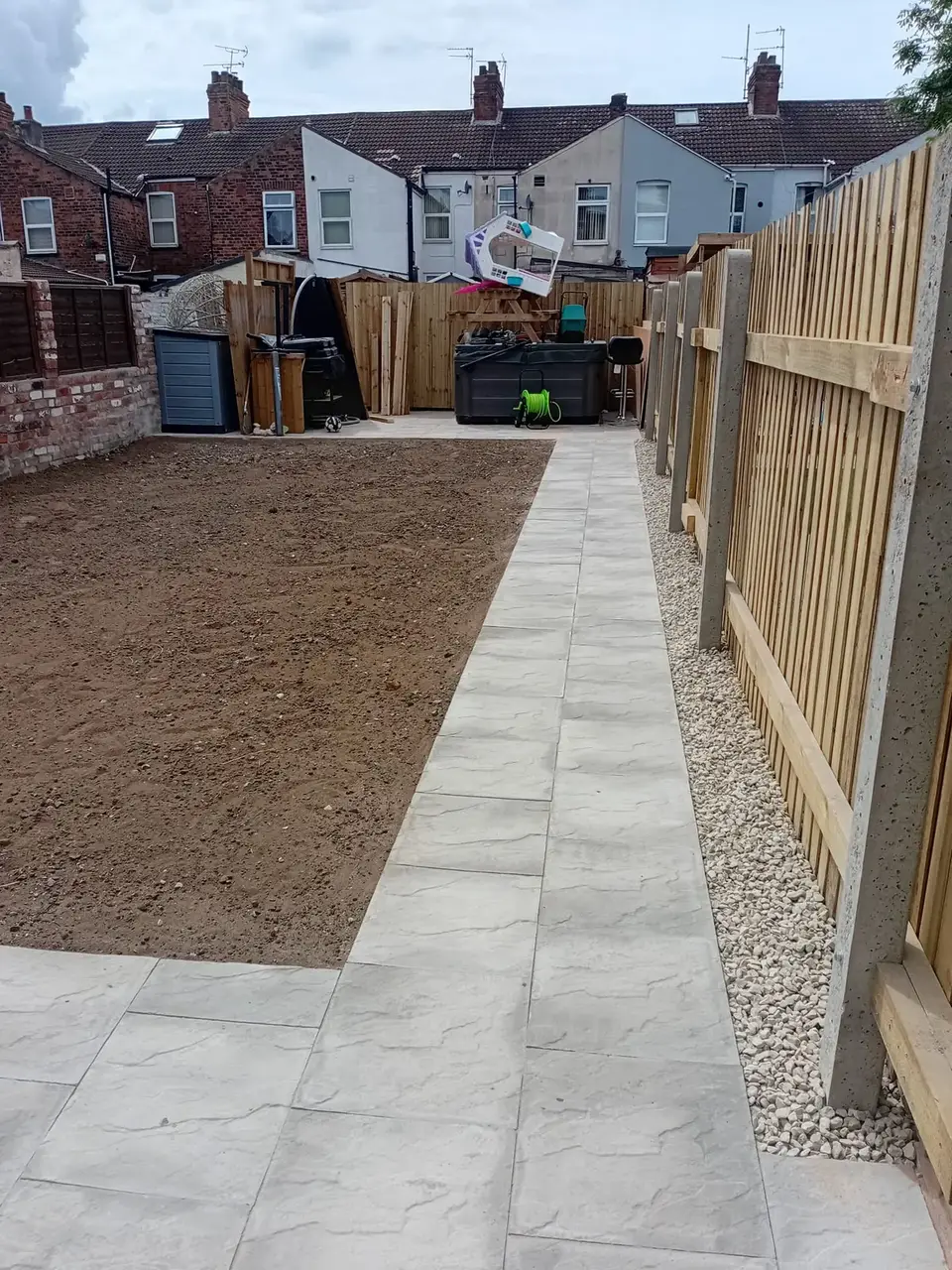
Recent gravel driveways work


What customers say
“Fantastic team from start to finish very professional gave great advice”
Google review
“Highly recommended!!! Does all my property refurbs when it comes to artificial grass and/or groundwork’s. 100%”
Google review
“I found Pave It to be very good and their work is absolutely fantastic. I would definitely recommend them to all my family and friends. They are so efficient in all they do.”
Google review
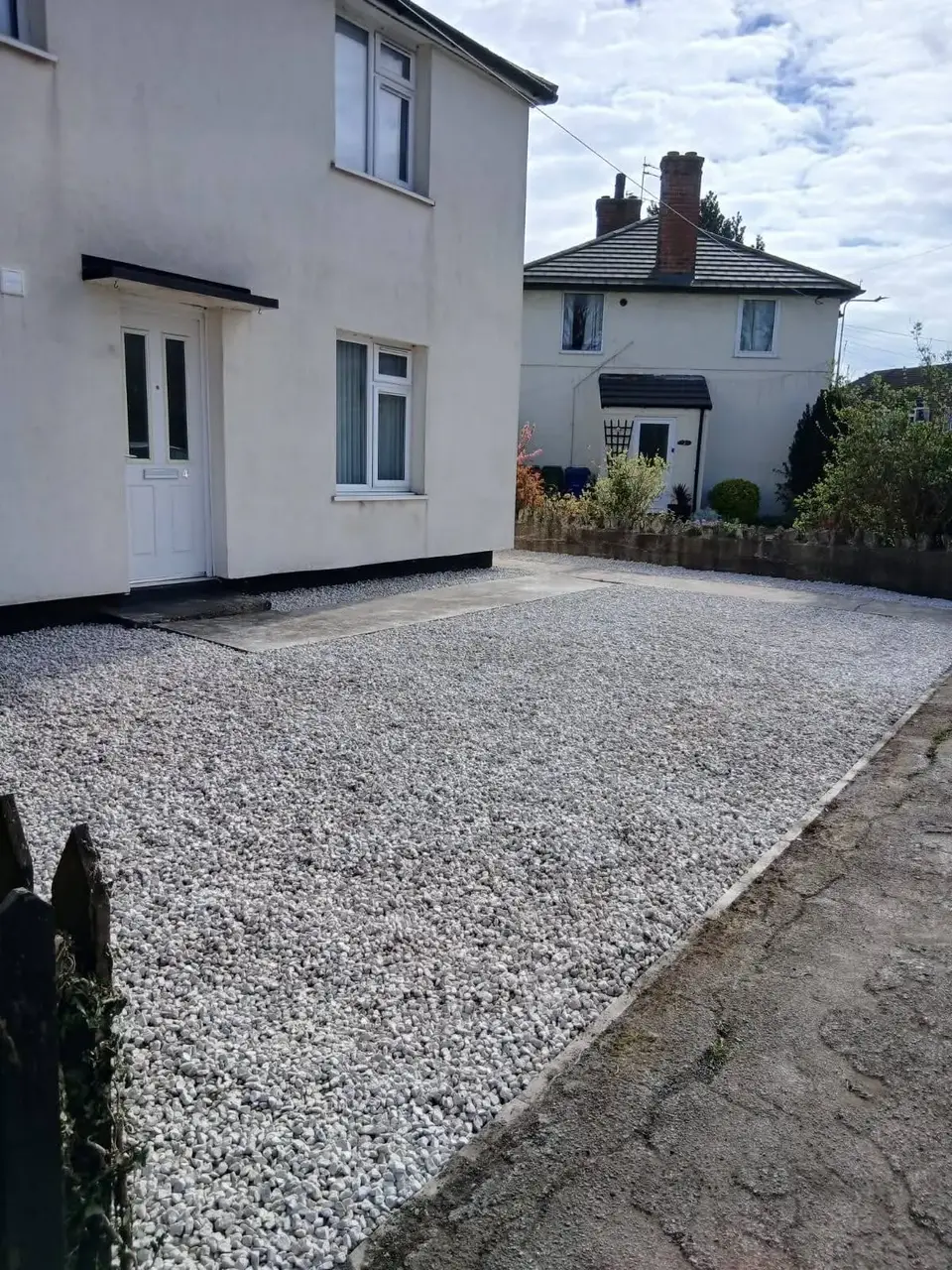
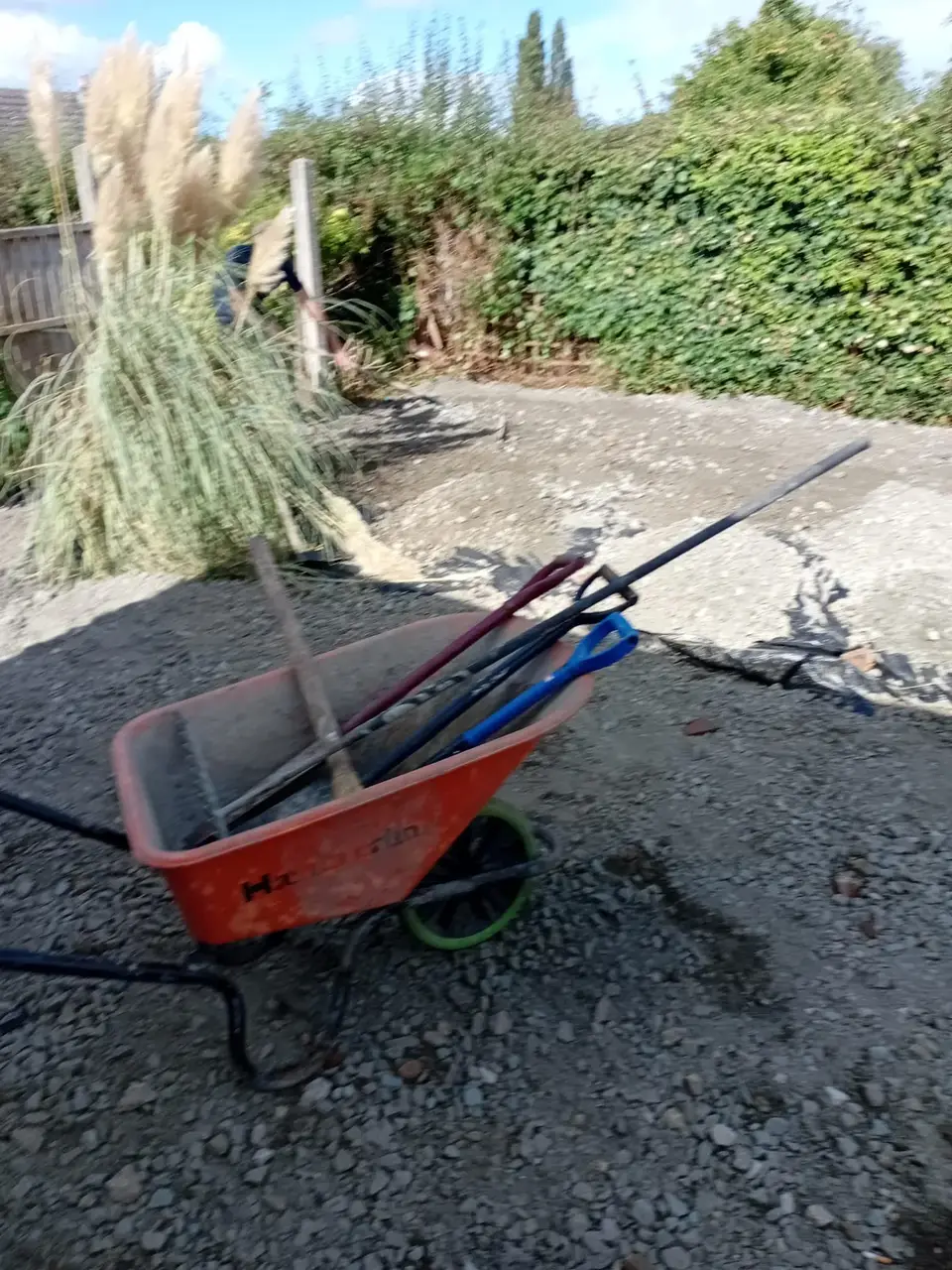
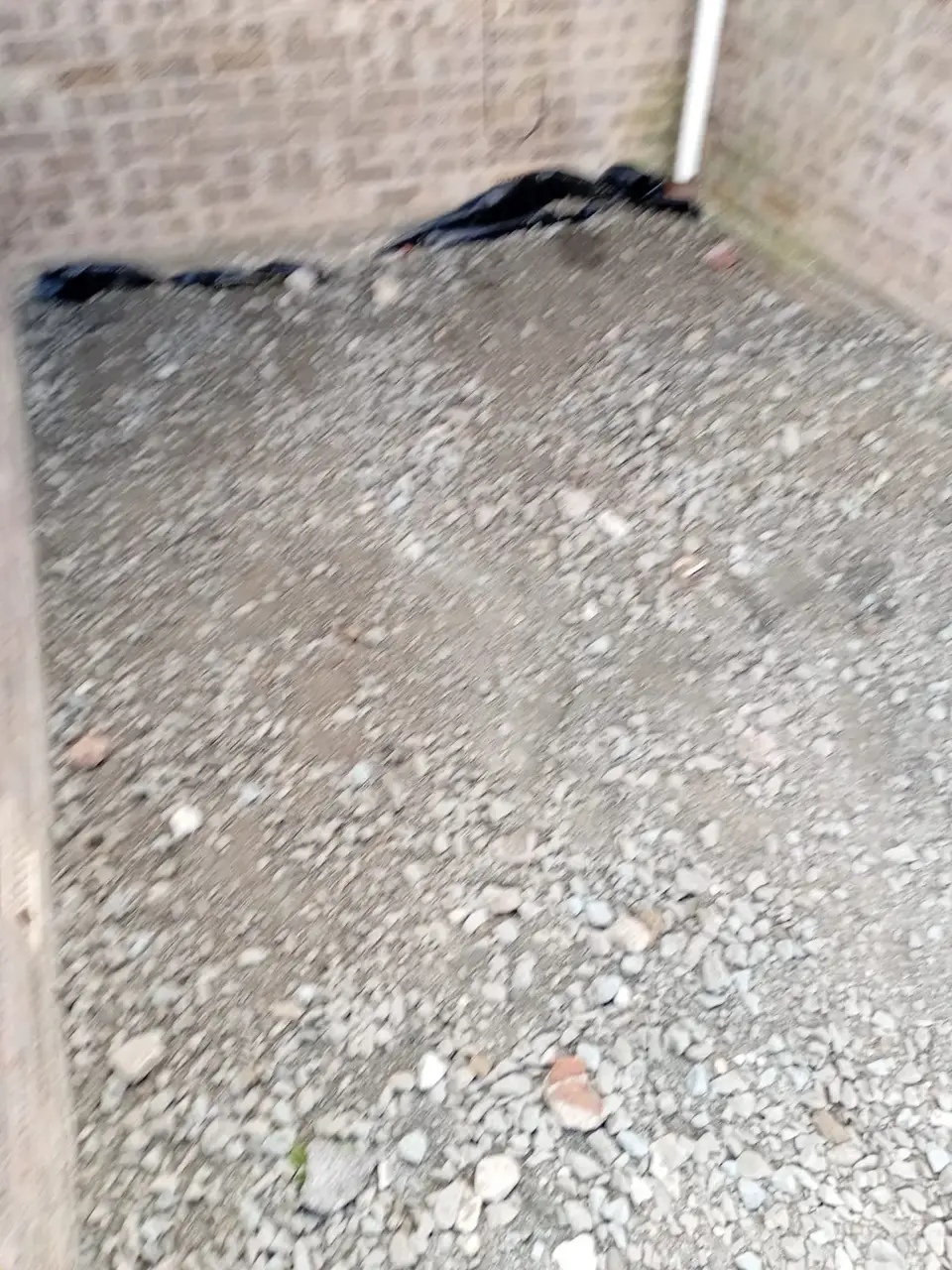
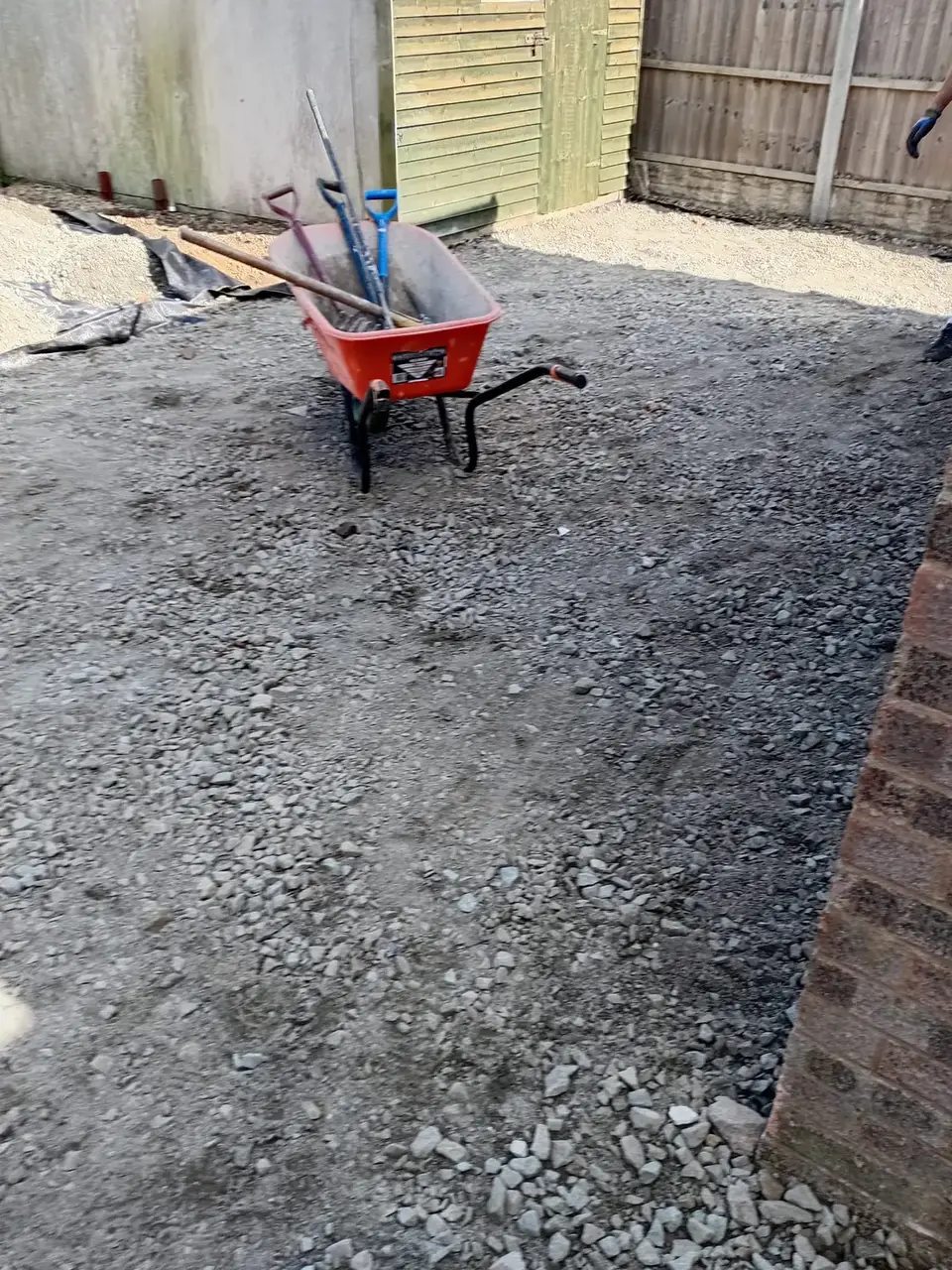
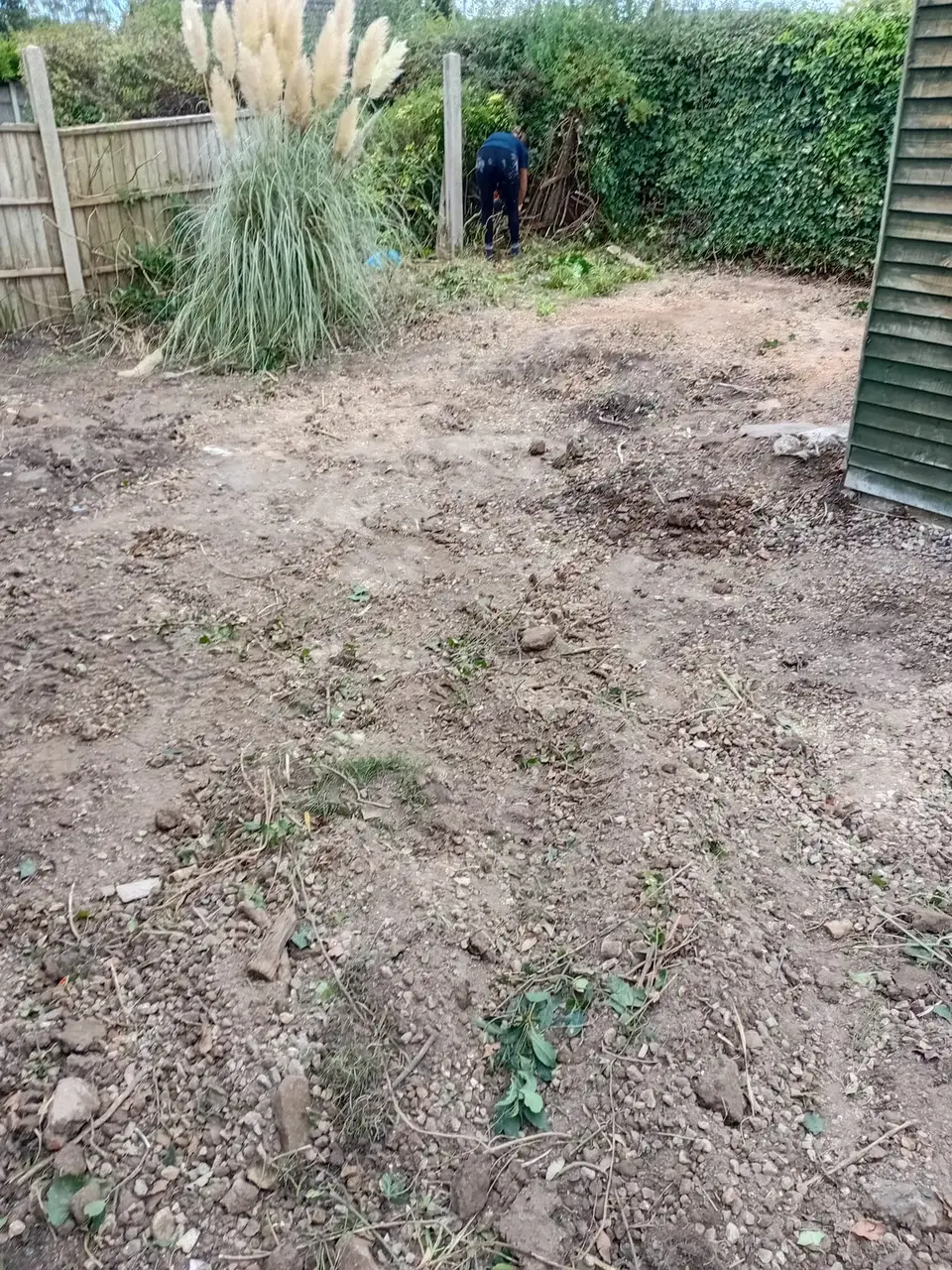
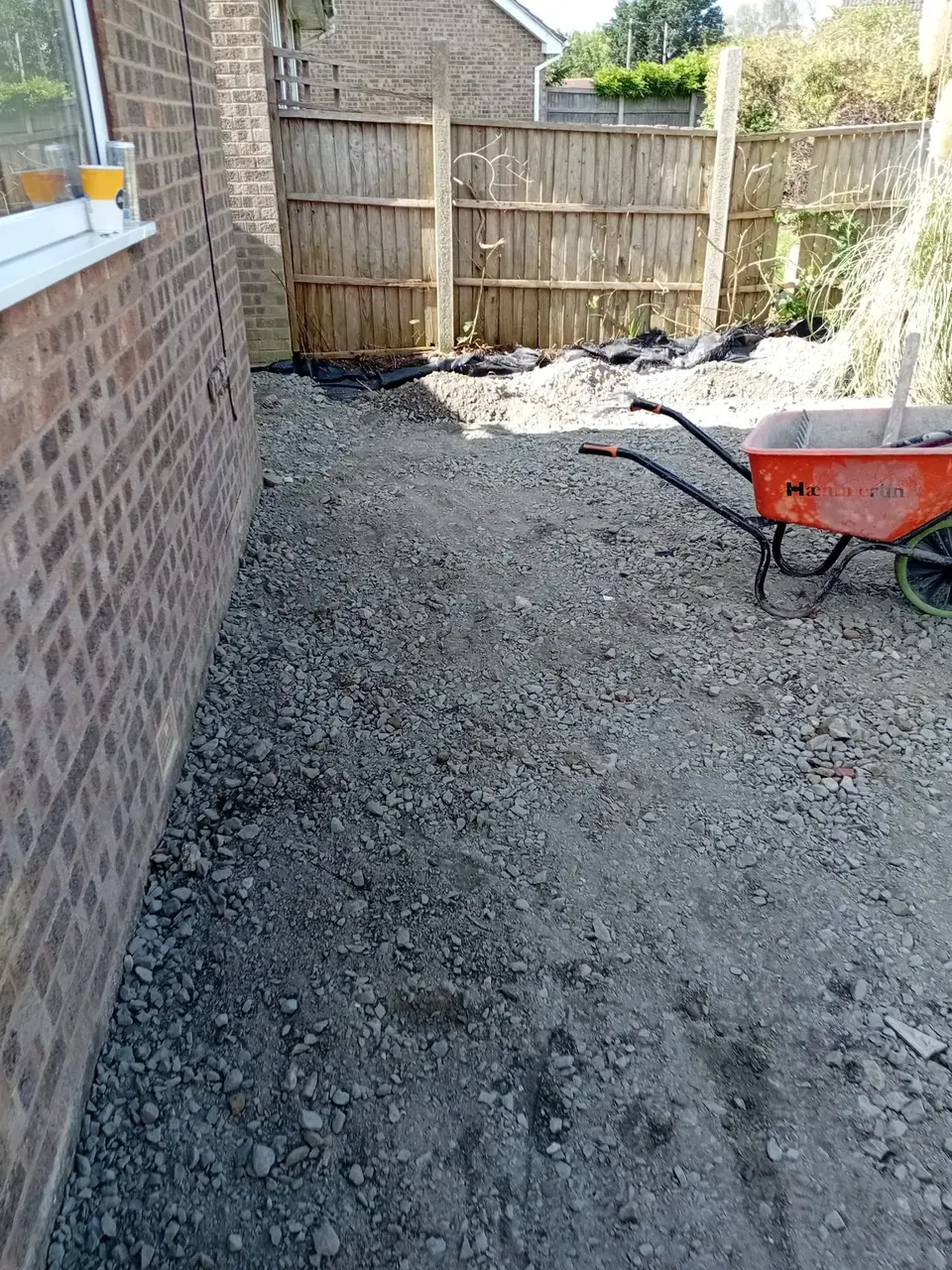
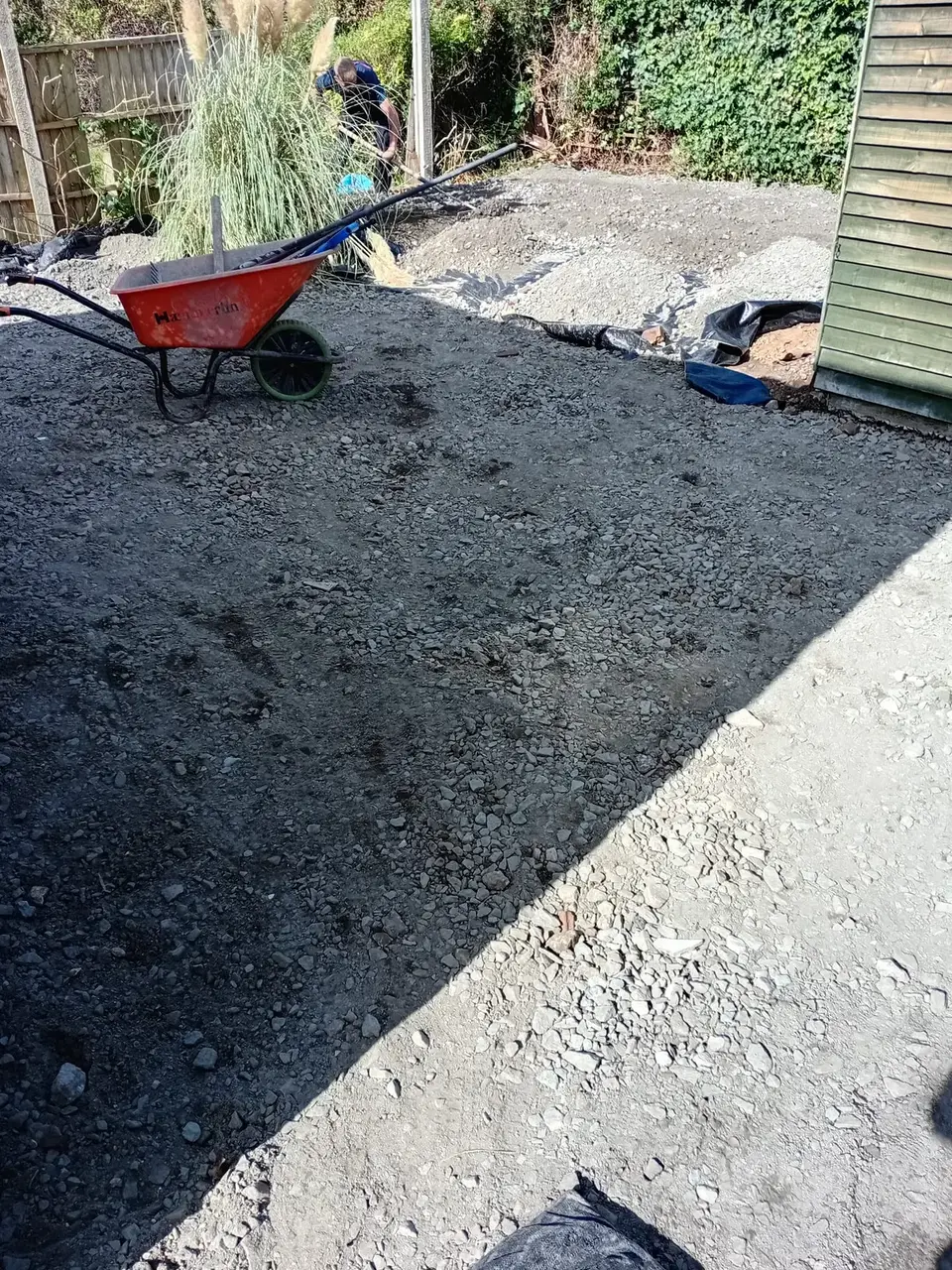
Gravel driveway projects
Gravel Driveways questions
Is a gravel driveway a good idea?
It can be, if it is built on a proper base with edging and a grid. Plain gravel thrown on soil ruts, spreads and grows weeds. It also needs raking, and it is harder to push a pram or wheelchair across.
What is a gravel grid, and do I need one?
A grid is a plastic or similar cellular layer filled with stone to stop it moving under tyres and keep ruts from forming. On a drive used by cars, it is strongly worth considering. Excavate and compact suitable sub-base, install secure edging and consistent gravel layer; use compatible grid where specified. Keep runoff on property and away from buildings/highway.
How deep should the gravel be?
As a general guide, a layer of around 30 to 40mm over the grid or base, but this is not our specification and varies with the stone and the use. Excavate and compact suitable sub-base, install secure edging and consistent gravel layer; use compatible grid where specified. Keep runoff on property and away from buildings/highway.
Does a gravel driveway need planning permission?
Gravel lets water through, so a front garden drive laid on a permeable base does not usually need permission for the surface. A dropped kerb does need permission from Hull City Council. Listed buildings and conservation areas have extra rules.
Will gravel stay out of the road?
It can spread without edging, a firm edge at the road and a hard strip by the kerb. We discuss this at the visit because it affects your neighbours as well as you.
Can you lay gravel on clay soil?
Yes, with a properly built base. Gravel is permeable, but the base under it must still let water away, and clay will not take it quickly. We plan the depth and the fall. Excavate and compact suitable sub-base, install secure edging and consistent gravel layer; use compatible grid where specified. Keep runoff on property and away from buildings/highway.
Do gravel driveways need a membrane?
Yes. A geotextile membrane stops the stone sinking into the soil and slows weeds. It does not stop them altogether, since seeds land on top.
How do I maintain a gravel driveway?
Rake it level when it ruts, top up thin patches, and pull or treat weeds when they appear. A grid cuts the raking considerably.
How we work
Every job follows the same eight stages, so you know what happens next.
Enquiry
You call, message us on WhatsApp or send the quote form. We note what you want and arrange a visit.
Site visit and measure
We come to your property, look at access, levels and drainage, and measure up. This is free.
Written fixed quote
You receive a written fixed quote that sets out the work, so you can compare it with confidence.
Groundwork plan
We agree the dig depth, base, edging and where the water will go before any work starts.
Dig-out and base
We excavate, remove spoil and build the sub-base in compacted layers, because the base decides how long the surface lasts.
Laying
We lay your chosen surface to the agreed levels and falls, cutting neatly at edges and drains.
Finishing and sealing
We fill and brush joints, apply sealing where the material calls for it, and tidy the edges.
Handover and aftercare
We walk you round the finished job and explain how to look after it.
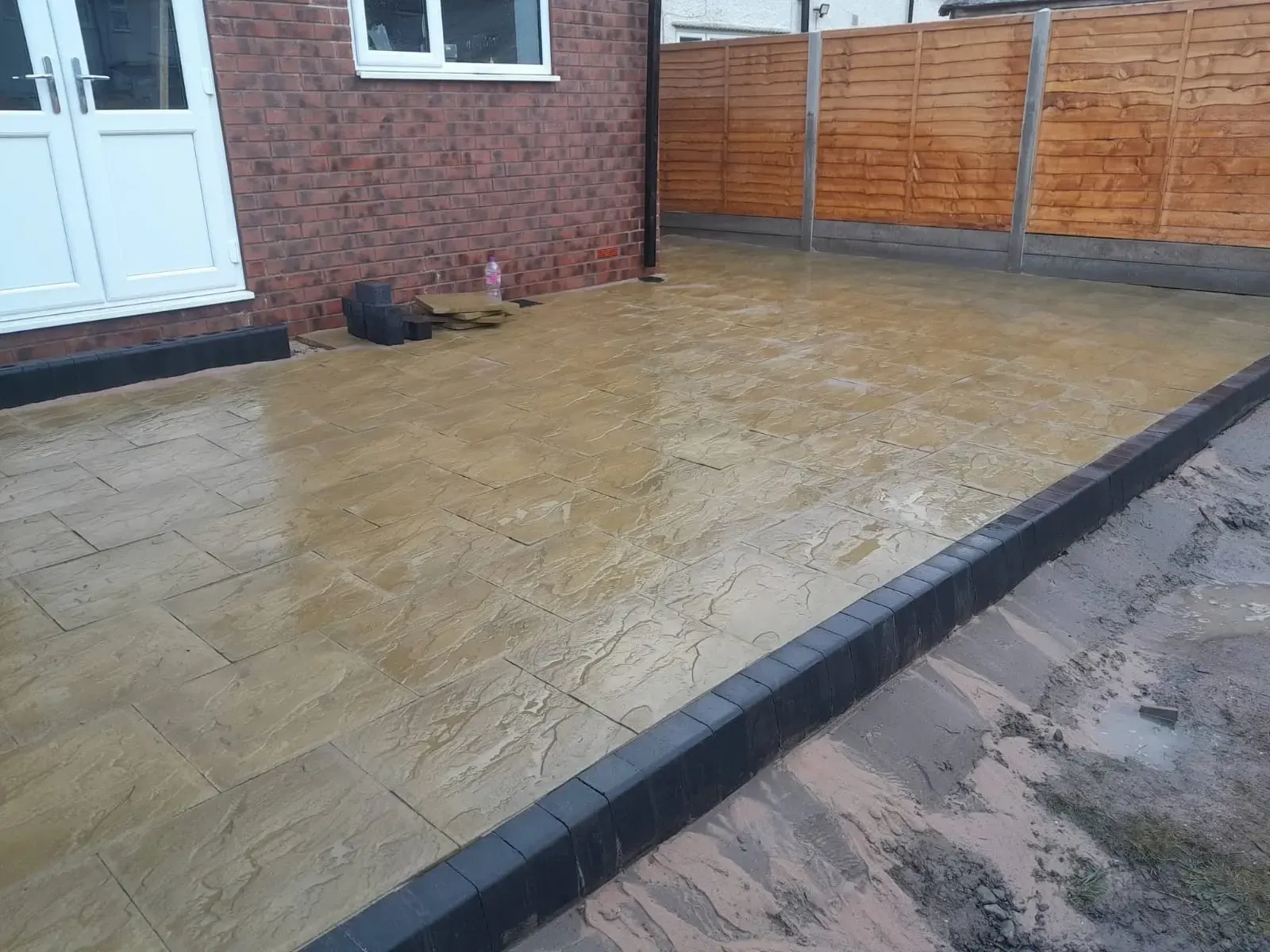
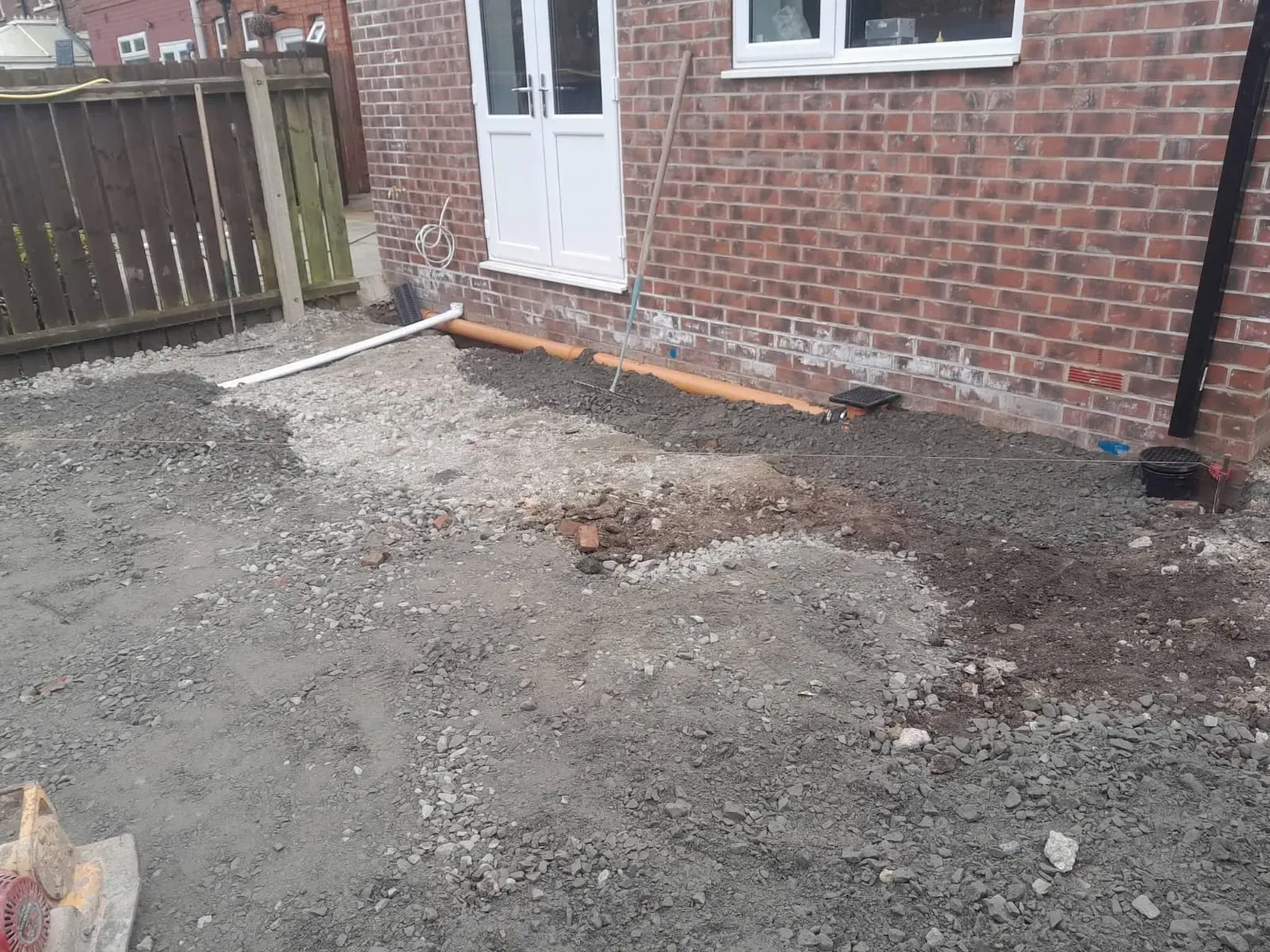
Before and after
Drag the handle to compare the ground before we started with the finished job.
 BeforeAfter
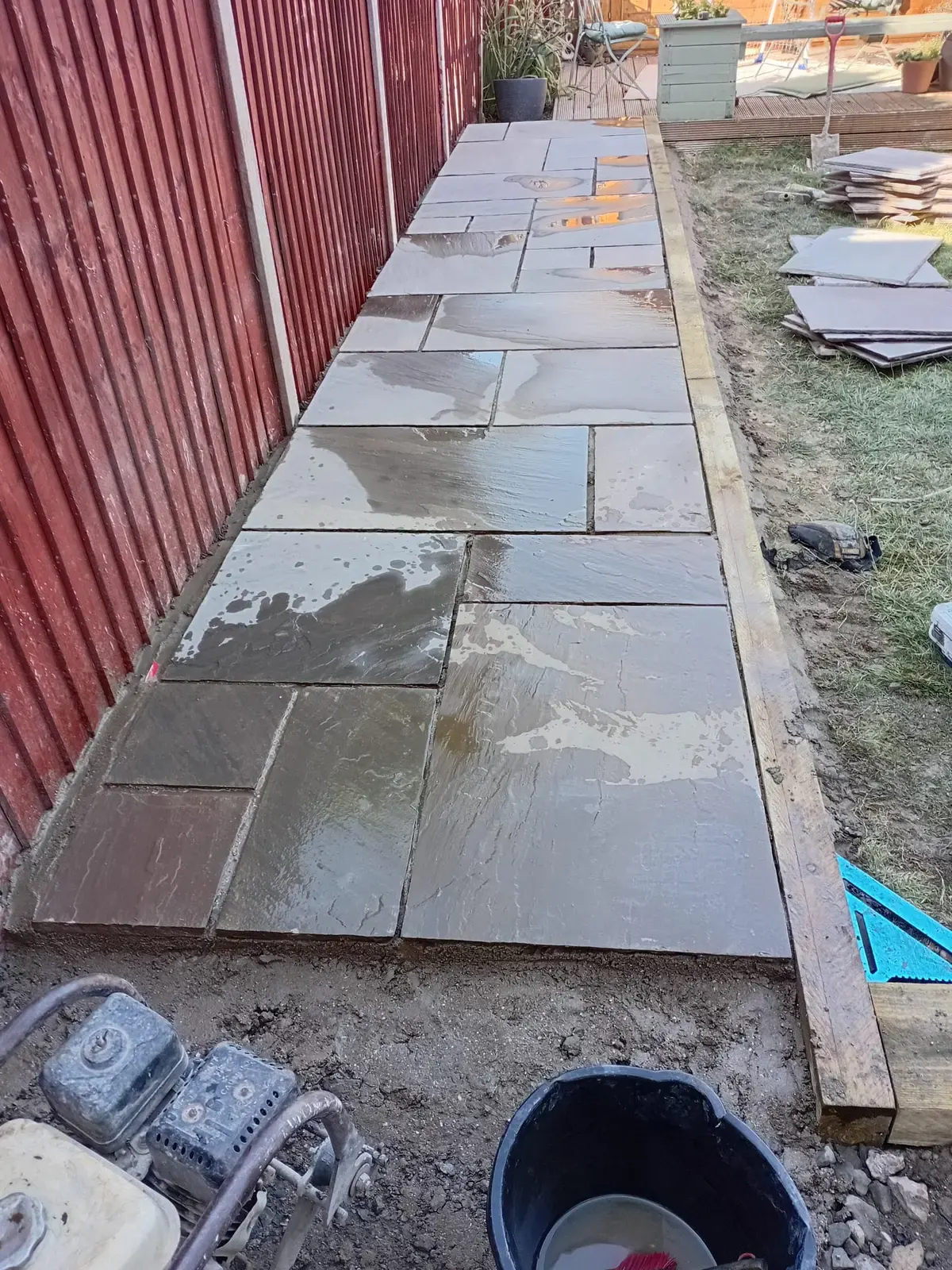
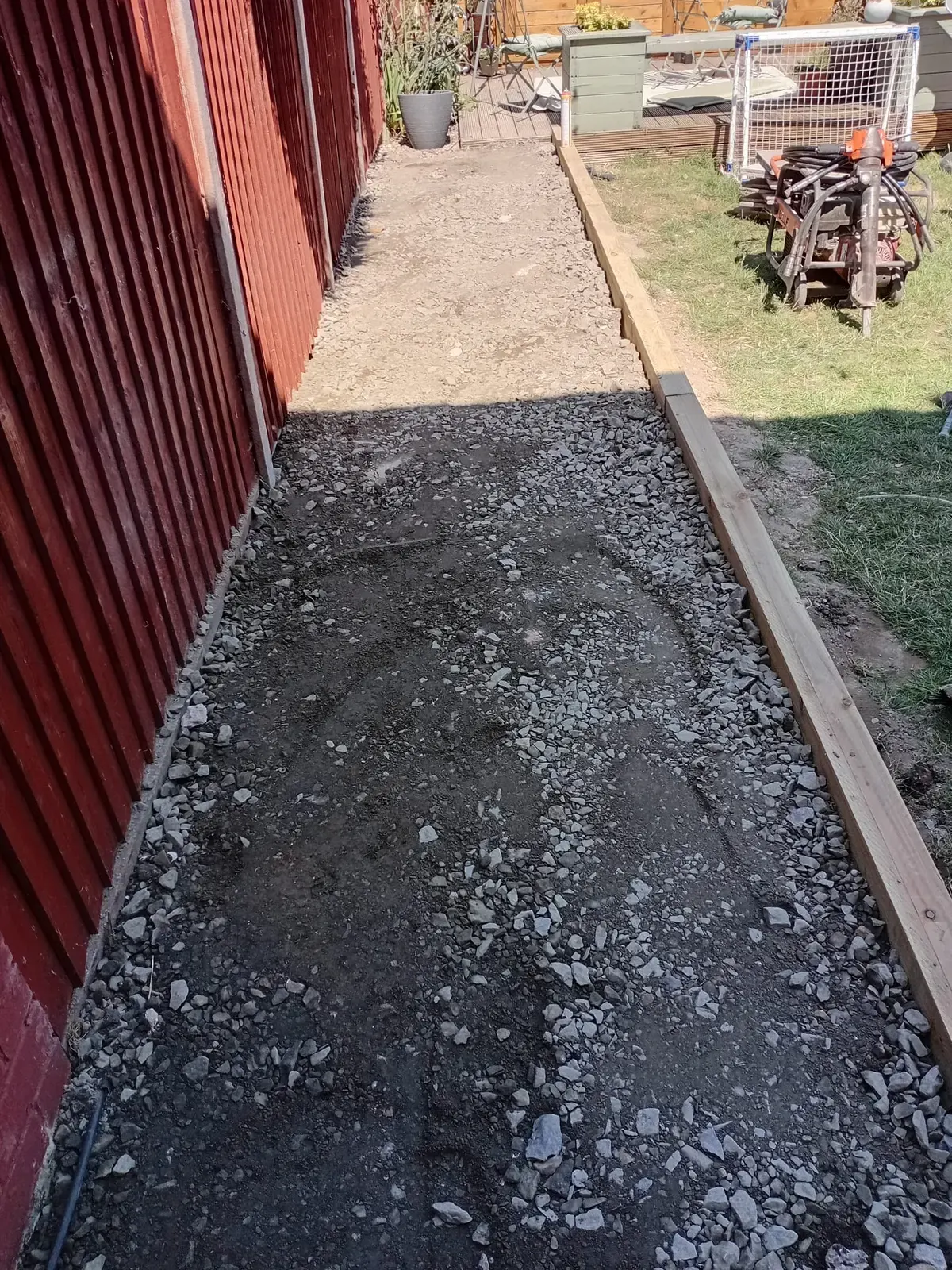 BeforeAfter
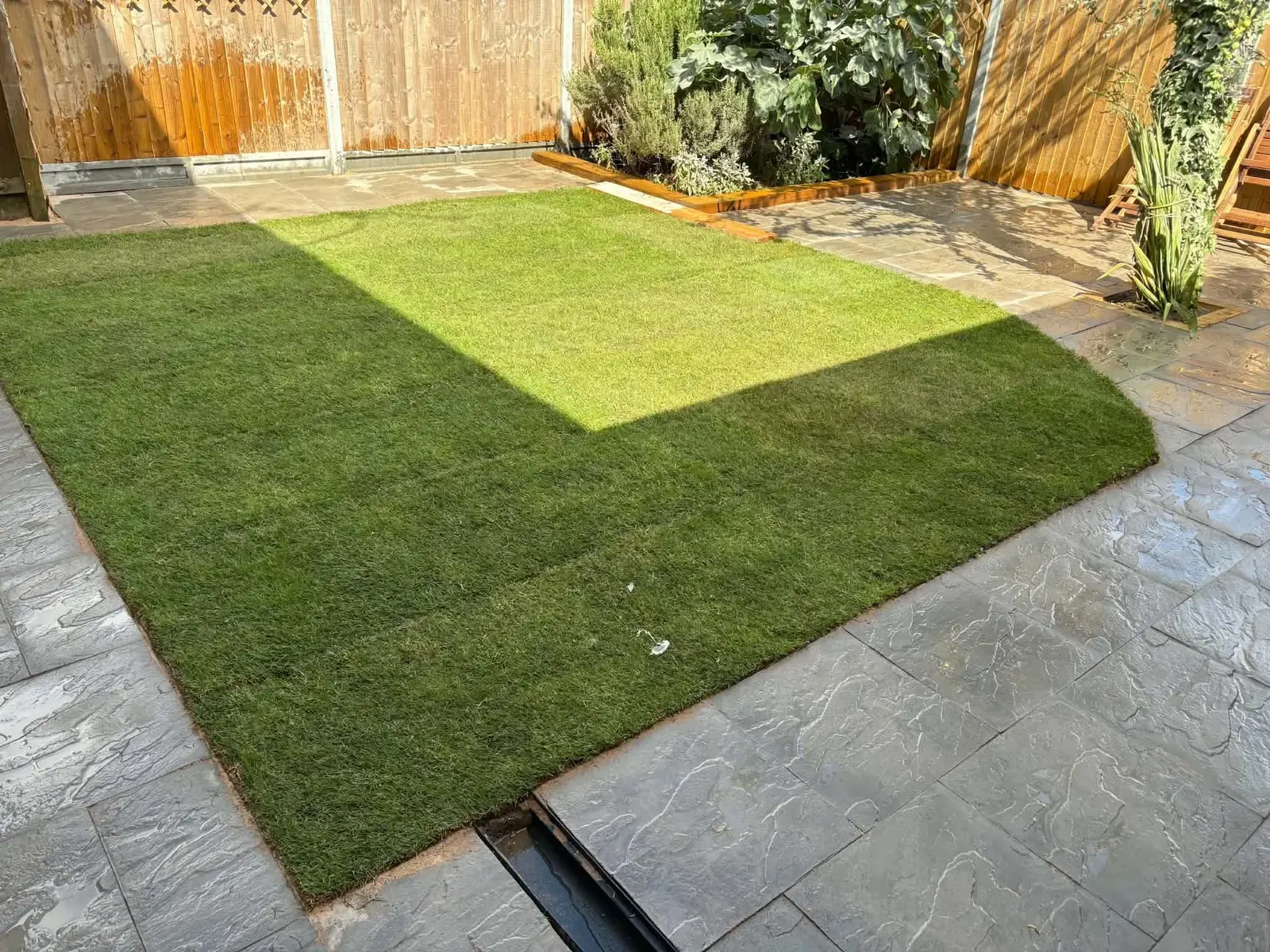
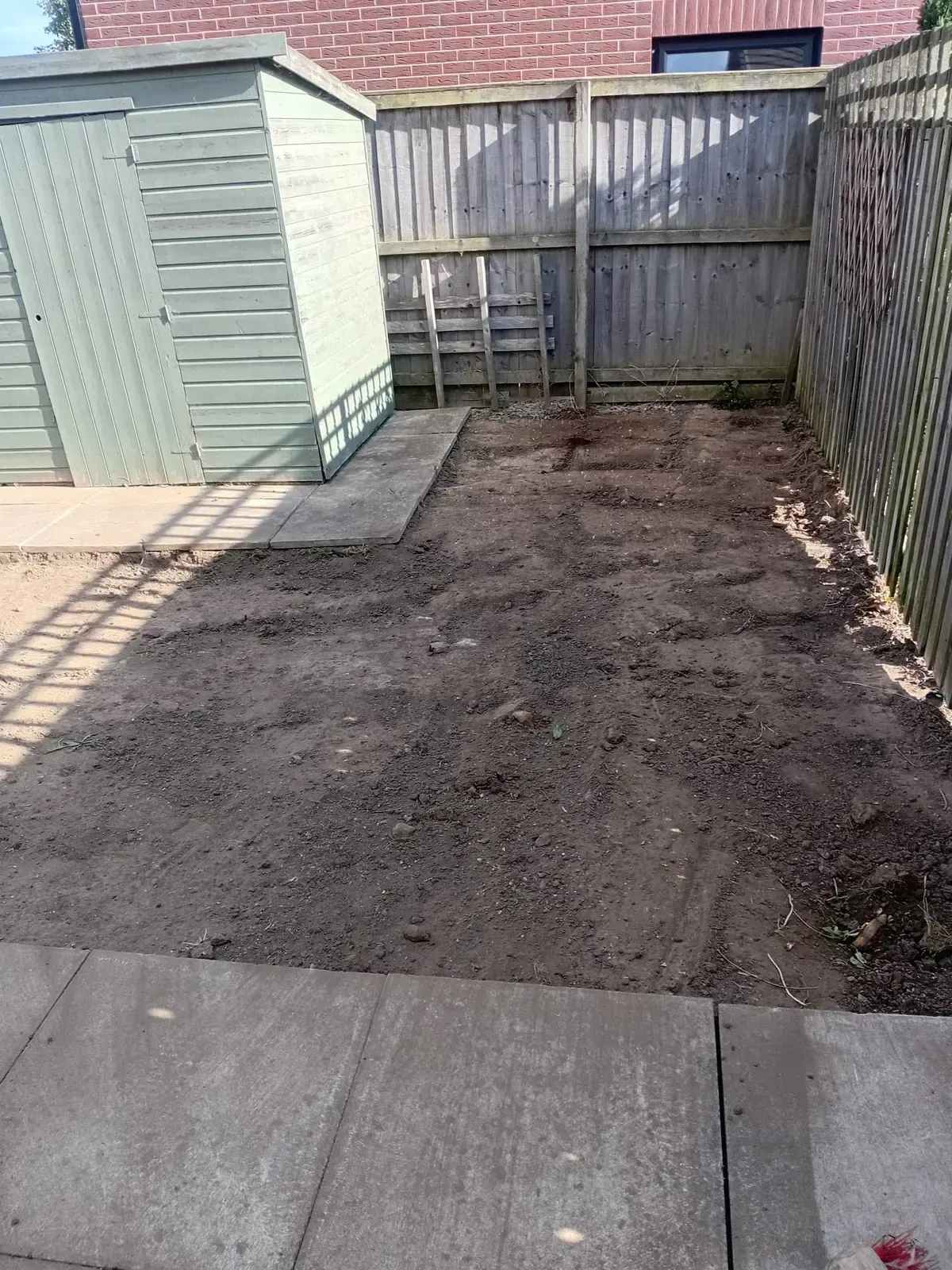 BeforeAfter
Ready for a free quote?
Tell us about the job. We will visit, measure up and give you a written fixed quote.