
Local paving and groundwork
Block Paving in Hull
Block paved driveways and forecourts built to take the weight of daily use and repaired easily if ever needed.
Get your free quote
No obligation. Tell us where to reach you and we will be in touch.
Is block paving right for me?
Block paving is made of small interlocking concrete or clay blocks laid on a sand bed over a compacted stone base. The blocks spread the load of a car, let the drive flex slightly instead of cracking, and can be lifted and relaid if a pipe needs digging up or a section settles.
It is a strong all-round choice for driveways and forecourts, and works for patios too. It rewards a good base, and punishes a poor one, so the work you cannot see matters most.
Who block paving suits, and who it does not
It suits you if you want a drive that can be repaired in sections, a choice of colours and patterns, or a surface that can be made permeable to meet front-garden drainage rules.
It may not suit you if you want a seamless, joint-free surface, or hate the idea of occasional re-sanding and weeding. Tarmac is the honest alternative for a plain, quick drive; porcelain or sandstone suit patios better than driveways where looks come first.
Our block paving build process
Our named methods, in order:
- Humber Ground Assessment. At the free site visit we probe the ground, check levels, access and services, and record what we find in the written quote.
- Drainage-First Plan. We decide where the water goes: permeable surface, or a fall to a lawn, border or soakaway.
- Deep-Base Build. We dig out the old surface and soil, then compact crushed stone in layers, deeper where the ground is soft. Dig depths and sub-base specification: Compacted sub-base, edge restraints and screeded laying course; lay to planned falls, compact and joint with suitable sand. Permeable systems only with designed build-up and suitable site conditions..
- Edge restraint. Concrete-backed edging stops the drive spreading.
- Laying course and blocks. Blocks go on a screeded bed of sharp sand, laid in the chosen bond and cut neatly at the edges.
- Compaction and jointing. A plate compactor with a protective pad seats the blocks, joints are filled fully, and the surface is compacted again.
- Clean-Site Promise and Photo-Proof Handover. We clear spoil as we go, sweep up at the end of each working day and photograph the key stages before they are covered, then send you the photos at handover.
Block Paving materials, finishes and colours
Blocks. Concrete blocks come in many colours and finishes; clay blocks hold their colour for longer but cost more. For thickness, patios commonly use around 50mm and driveways 60mm or more, depending on vehicles and base. Concrete or clay blocks in selected colours/patterns; specify thickness for intended use and compatible jointing material.
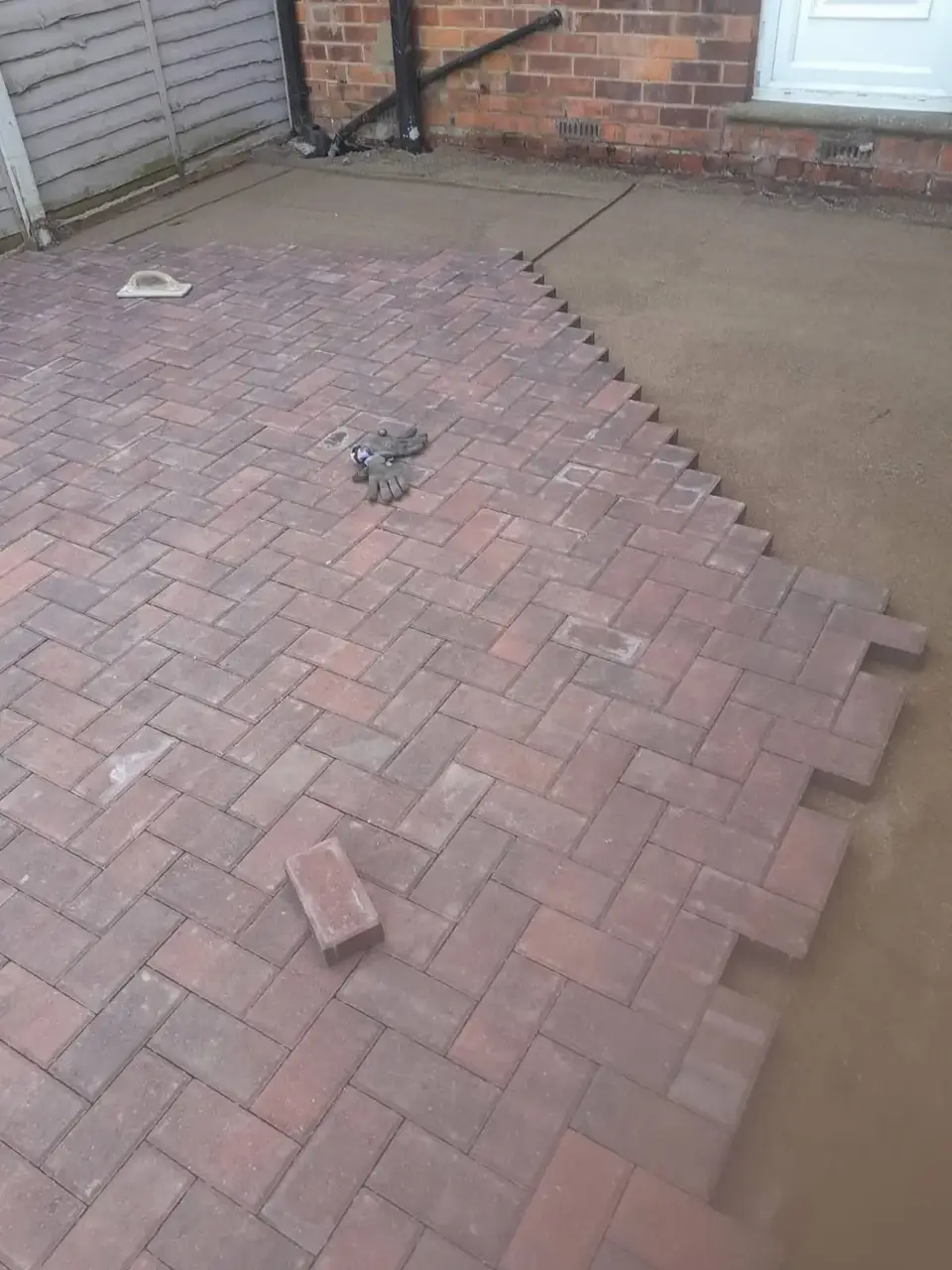
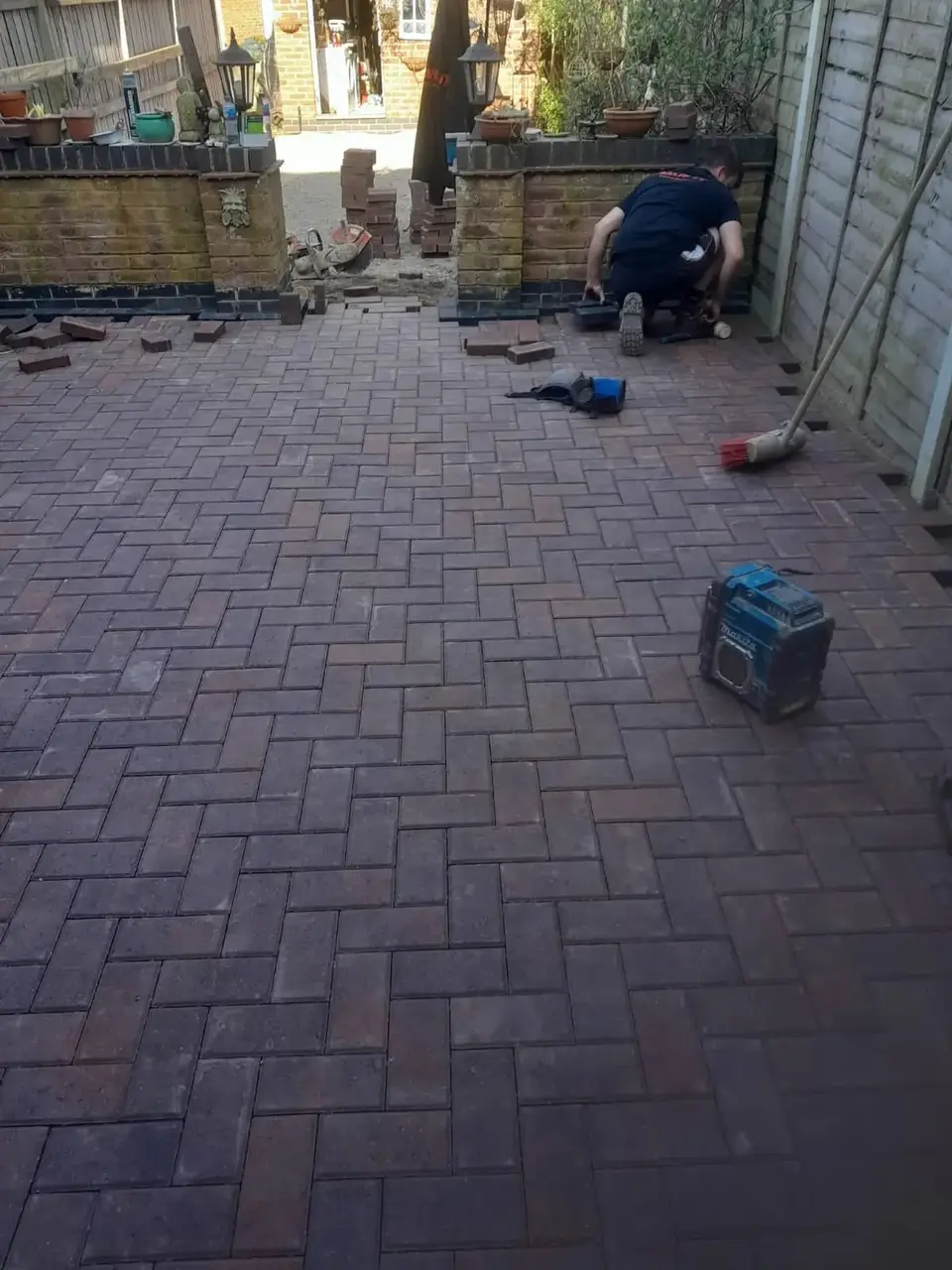
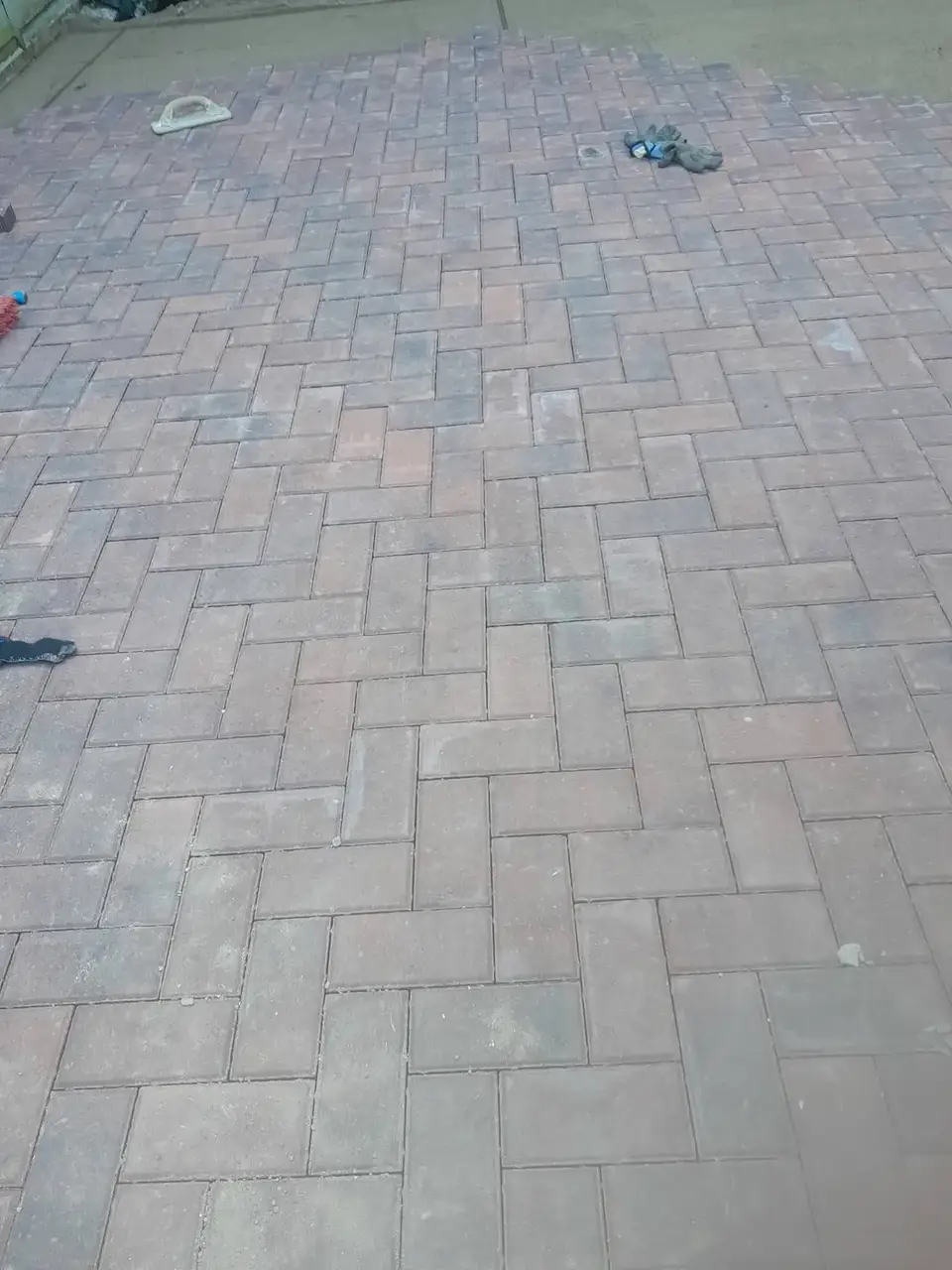
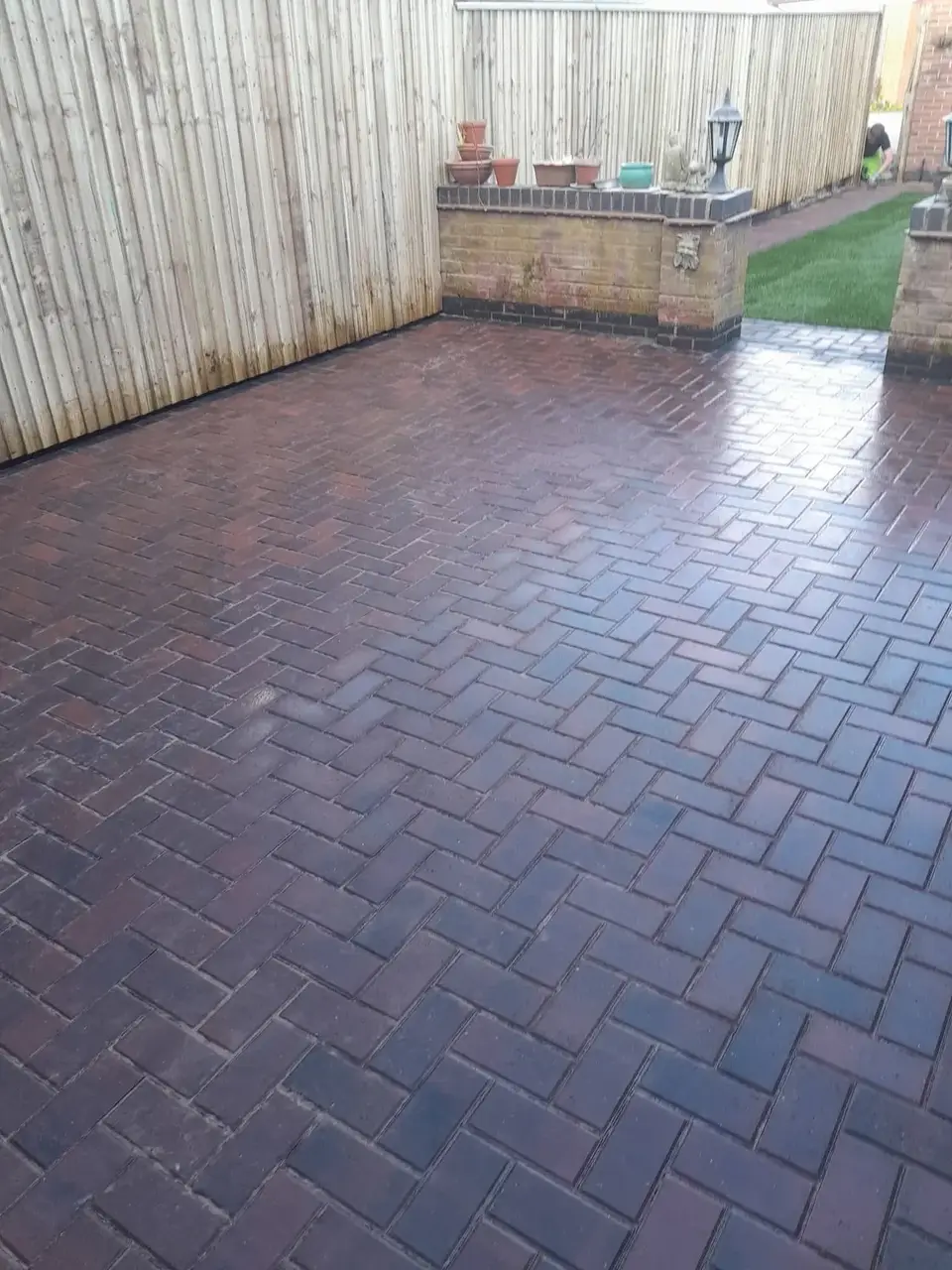
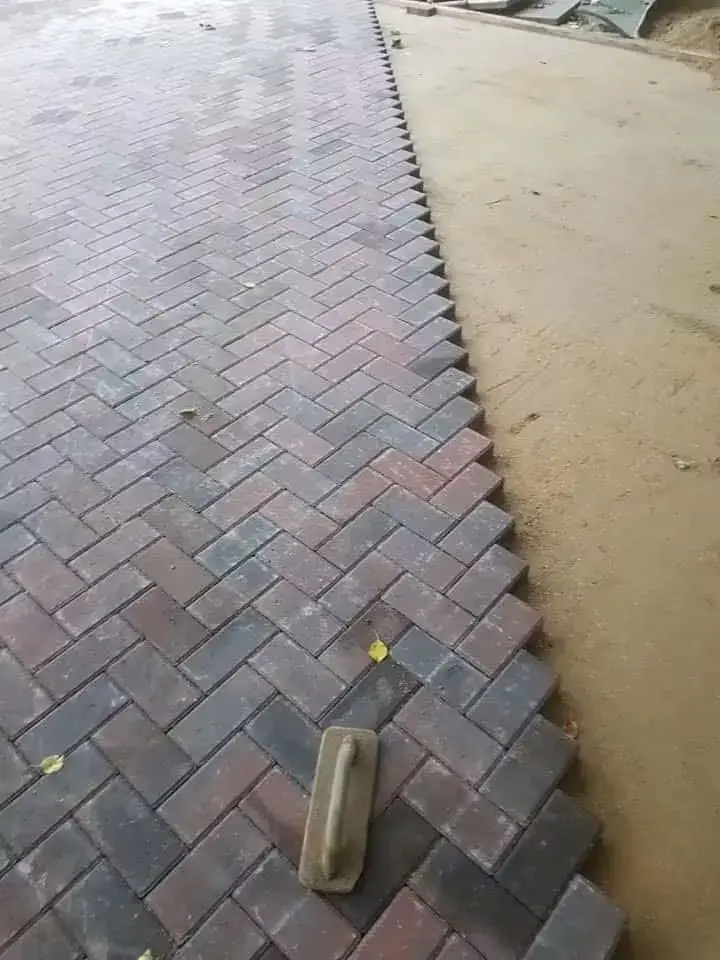
Patterns and bonds. Herringbone, at 45 or 90 degrees, locks blocks together best under vehicle movement, so it is the usual choice for drives. Stretcher bond looks plain and traditional but can creep under braking and turning. Basket weave suits patios and paths. A soldier course or contrasting border finishes the edge.
Jointing. Kiln-dried sand is standard and simple to top up. Polymeric sand hardens with moisture, resists weeds and washout, but must be applied dry and can crack with age. Permeable paving uses fine stone chippings instead. Concrete or clay blocks in selected colours/patterns; specify thickness for intended use and compatible jointing material.
Weeds. They grow in dirt that settles in the joints, not through the blocks. Full, compacted joints, sweeping and re-sanding every few years keep them down.
Drainage, planning and building regulations
Permeable block paving has wider joints or drainage gaps, filled with fine stone, over an open-graded stone base that stores and releases water. It meets front-garden rules without needing a separate outlet, but only works if the ground and sub-base can take the water. Hull’s clay drains slowly, so it may need an overflow or outlet. We install permeable systems only with a designed build-up and suitable site conditions.
Planning. Paving more than five square metres of front garden needs permission if the surface is not permeable and drains to the road, unless water runs to a lawn, border or soakaway. A dropped kerb needs separate highway permission.
Building regulations. Drives usually fall outside them, but drain connections and retaining walls may not. Hull City Council covers Hull; Beverley and Hessle are under East Riding of Yorkshire Council.
Timescales and aftercare
Our current guide is typically 3 to 7 working days for a domestic driveway. Large forecourts and deep excavations take longer, and wet weather can delay the bedding. Block and sand lead times: we aim to start within 1 to 2 weeks of an accepted quote, subject to weather and materials.
Aftercare. Keep vehicles off until we say the surface is ready, then sweep regularly and top up joint sand after the first few weeks as it settles. Clear oil spills promptly and avoid close-range pressure washing, which strips joint sand. Guarantee on workmanship: covered by our guarantee, with the terms set out in your written quote.
Block Paving costs in Hull
We quote each job individually and give a fixed written price after the free visit. Guide prices:
Block paved driveway, laid: From £80 per m².
What moves the price: area, block type and thickness, pattern, dig depth, access, drainage and edging.
What is included: the preparation, materials, labour and tidy-up listed in your written quote.
Common problems and contractor mistakes
- Sinking. Thin or badly compacted sub-base, uncompacted service trenches, tree roots or leaking drains. The cure is a proper base, not more sand on top.
- Spreading and drifting. No concrete-backed edge restraint, so blocks creep and joints open.
- Too much bedding sand, which settles unevenly. Sand is for levelling, not for building up the base.
- Skipping the final compaction, so blocks sit loose and rock.
- Poor joint filling, leaving blocks free to move and weeds free to root.
- Polymeric sand applied wet, leaving a hazy film on the surface.
- Wrong thickness or pattern for vehicles, such as thin blocks in stretcher bond on a busy drive.
- No fall, or a fall towards the house.
Block Paving in Hull: local ground and weather
Much of Hull is flat, low-lying ground on clay that drains slowly and can shrink and swell, so a deep, well-compacted base and planned falls matter. In parts of Hull the water table is high, which can soften a poorly built base and leave a drive wet after rain; this is why permeable systems need testing, not assuming.
Salt-laden air from the Humber can weather metal edging and fixings, so concrete-backed edging is a sensible choice. Concrete and clay blocks themselves cope well.
Older terraces often have narrow frontages and limited access, so spoil removal and deliveries can add time. New-build estates tend to have thin topsoil over compacted clay and may have restricted drive sizes and drainage conditions. We work across Hull, Beverley and Hessle.
Recent block paving work
What customers say
“Fantastic team from start to finish very professional gave great advice”
Google review
“Highly recommended!!! Does all my property refurbs when it comes to artificial grass and/or groundwork’s. 100%”
Google review
“I found Pave It to be very good and their work is absolutely fantastic. I would definitely recommend them to all my family and friends. They are so efficient in all they do.”
Google review
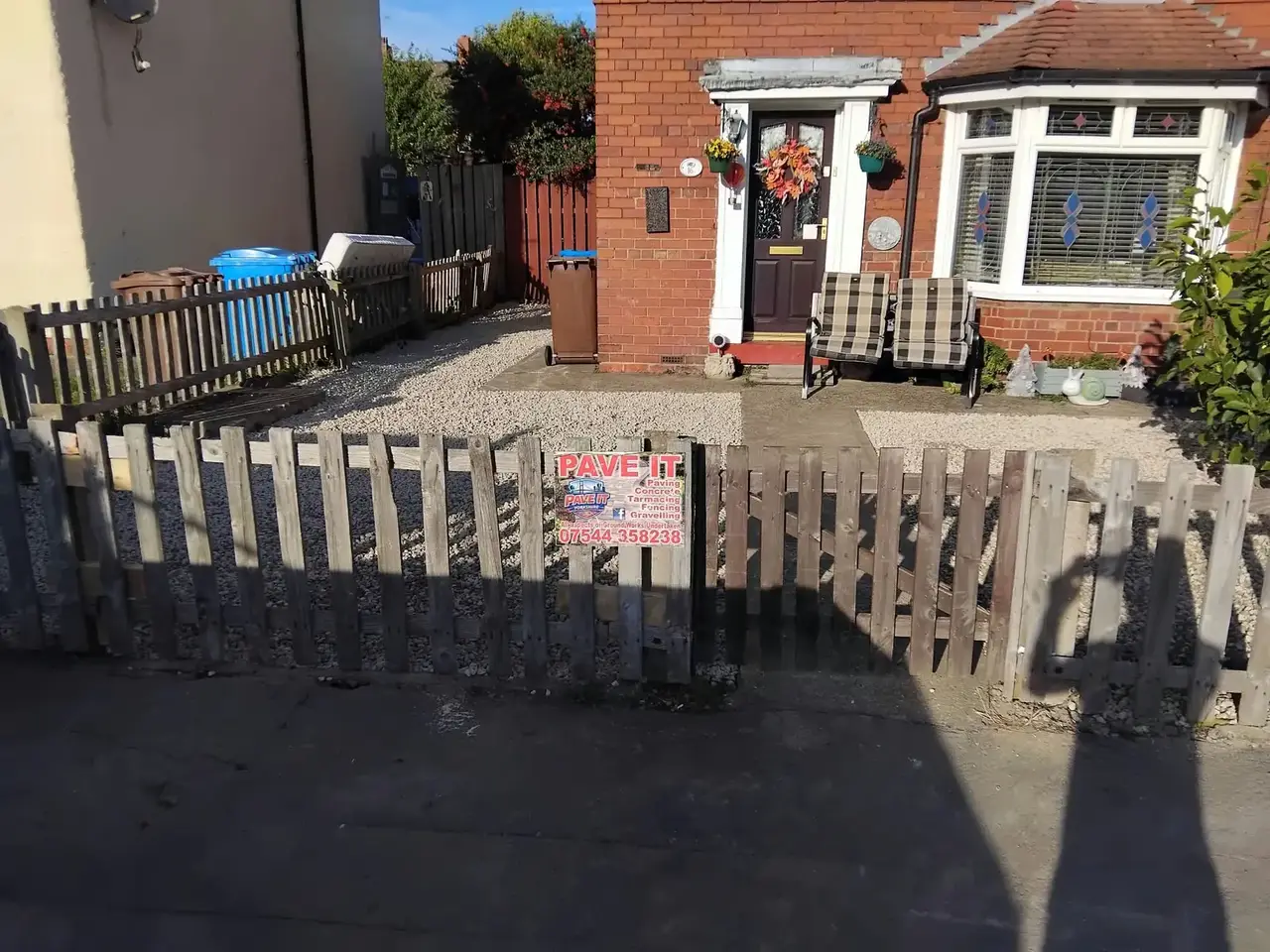
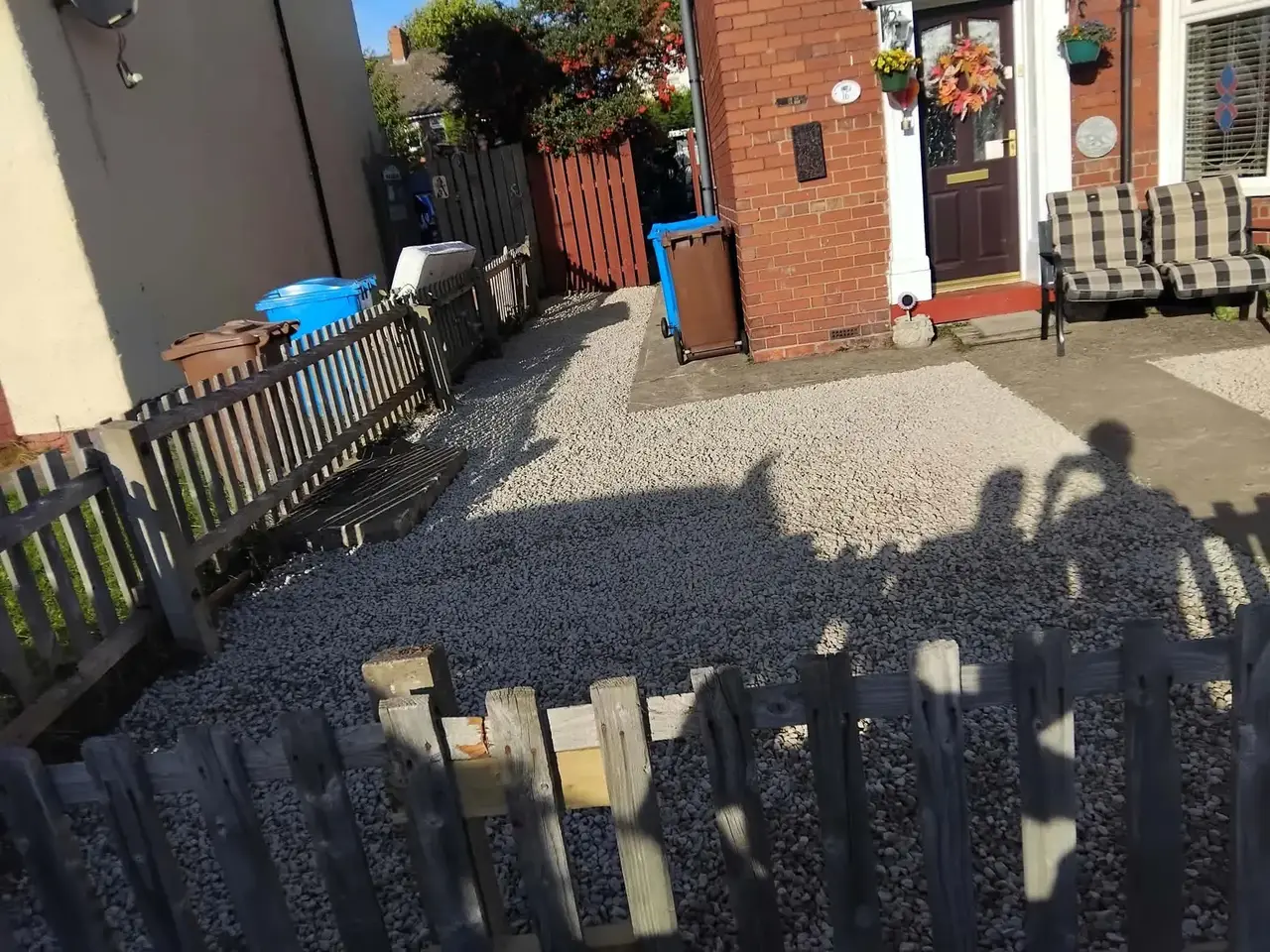
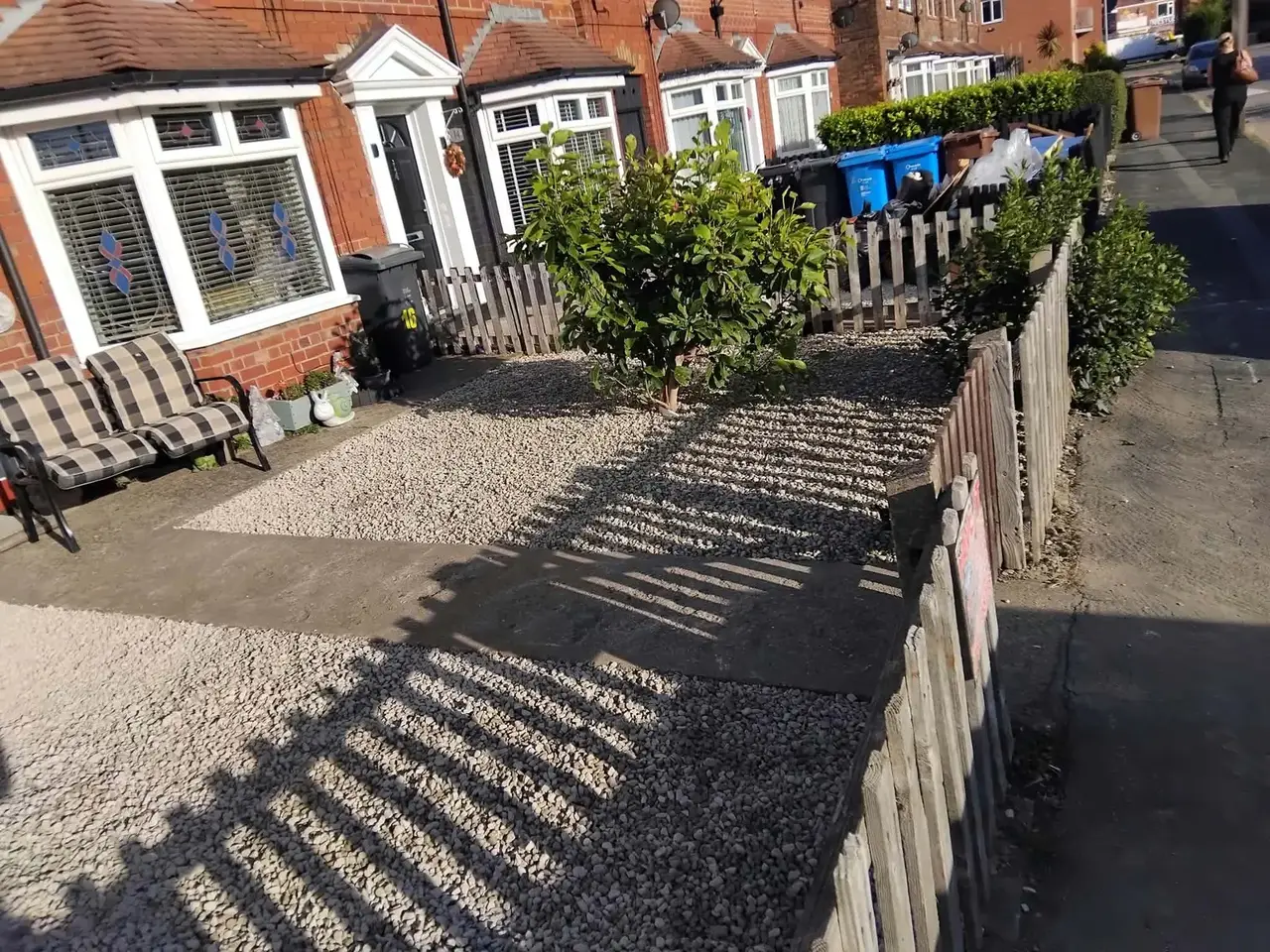
Block paving projects
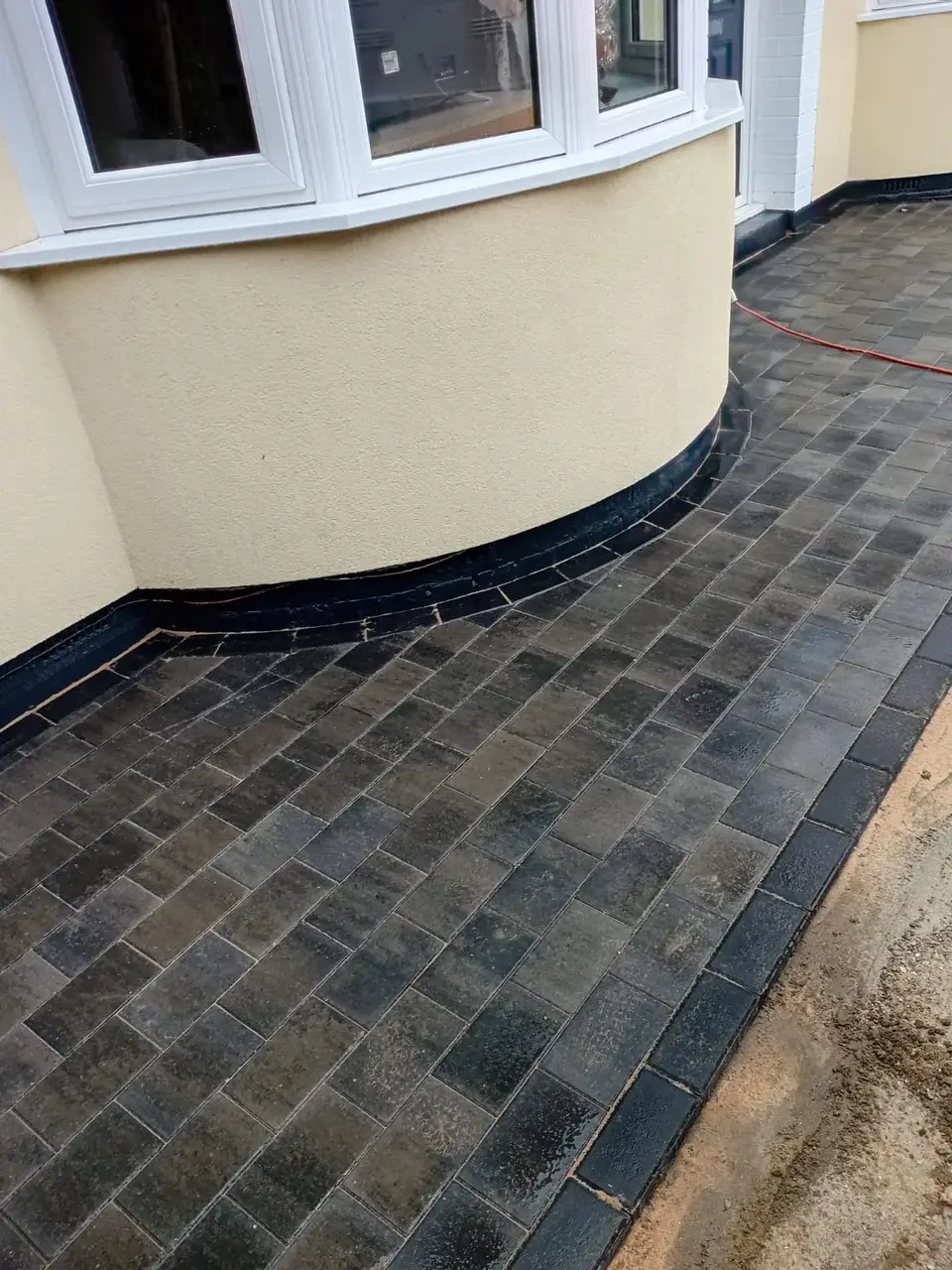
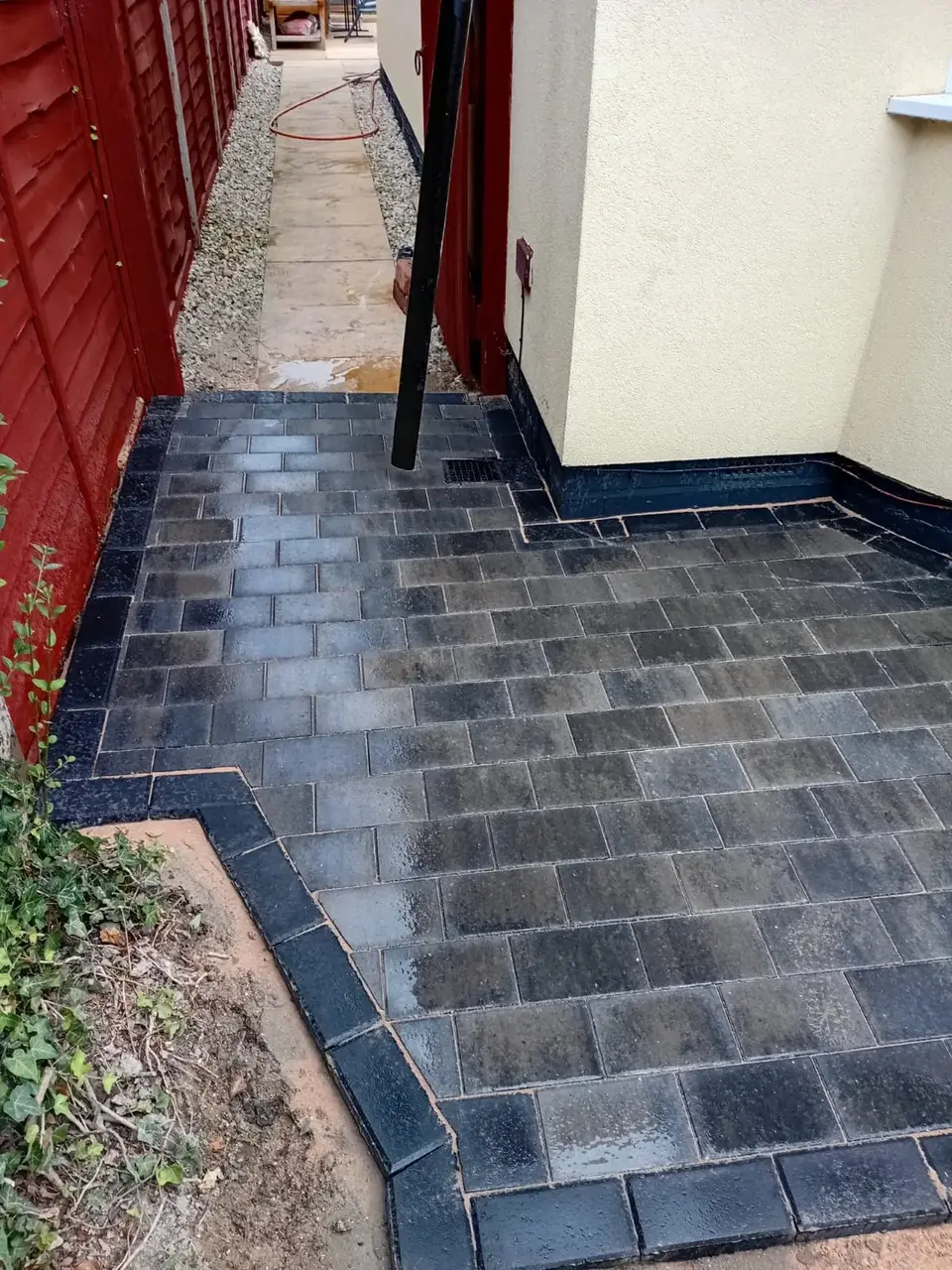
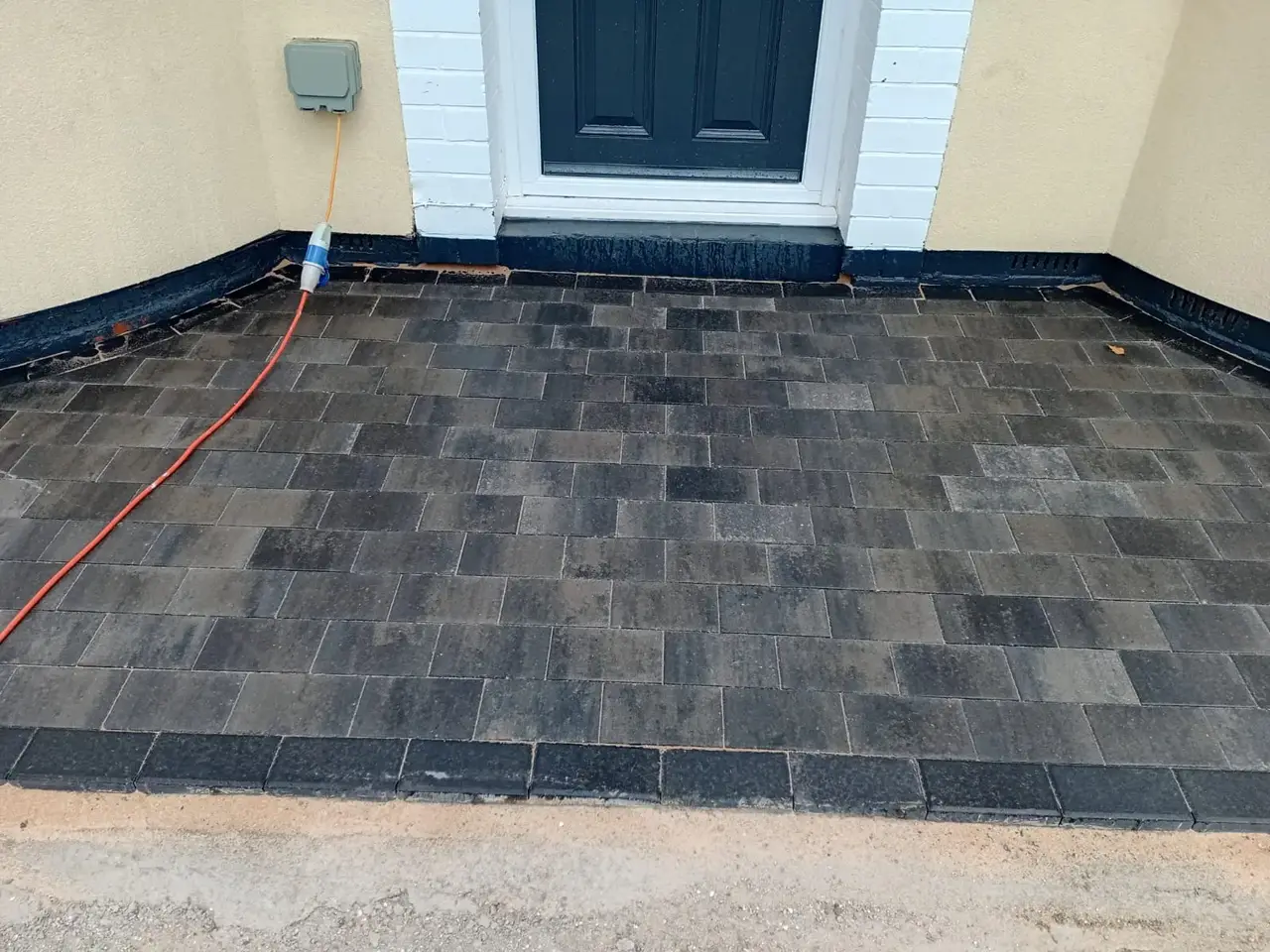
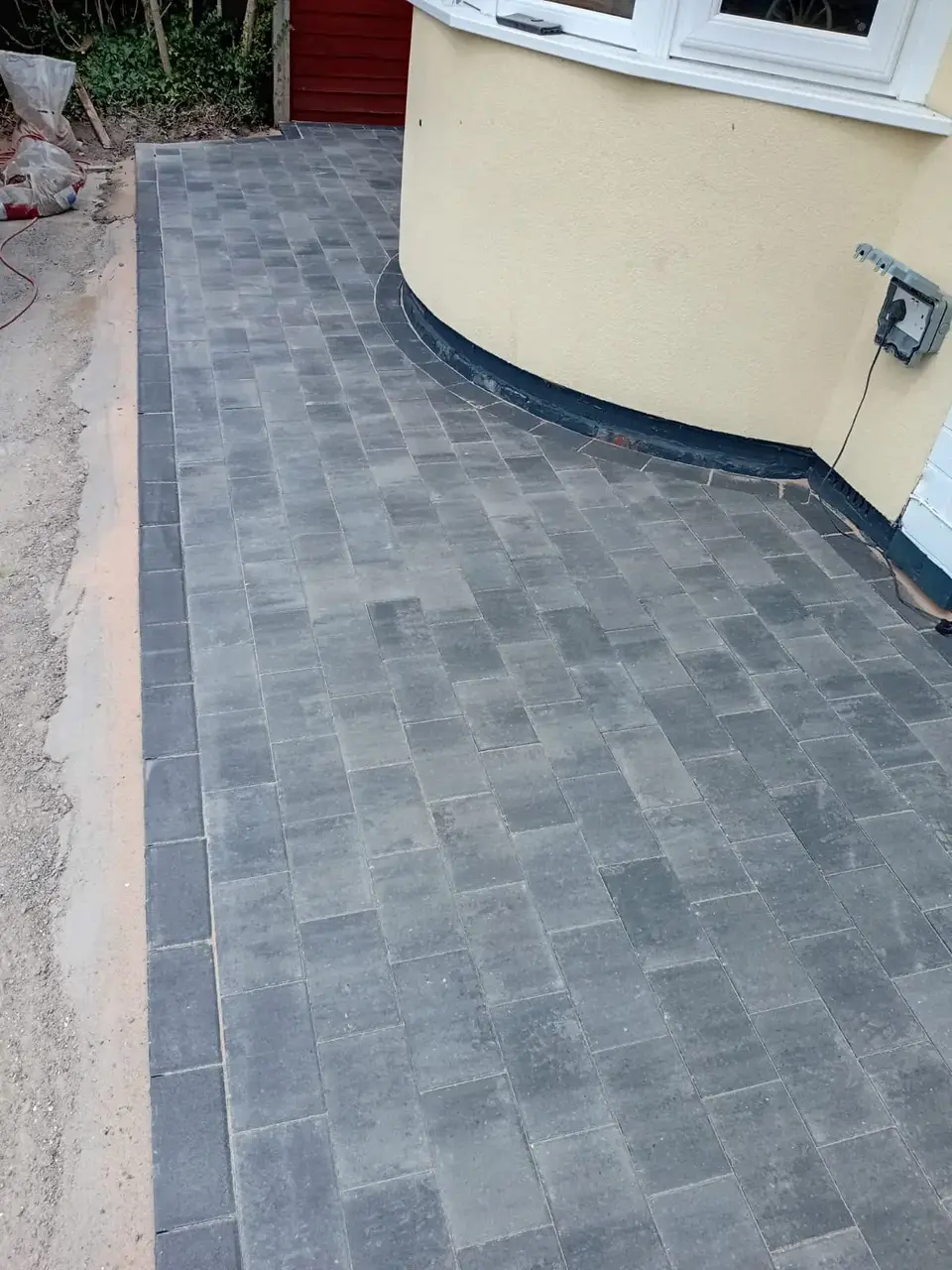
Block Paving questions
How much does block paving cost in Hull?
It depends on the area, block choice, dig depth, access and drainage. Our guide is from £80 per m², and we give a fixed written price after a free site visit.
Why is my block paving sinking?
Usually a thin or poorly compacted sub-base, a trench for pipes or cables that was not compacted, a failed edge restraint, or a leaking drain beneath. The fix is to lift the blocks, correct the base and relay them.
Do I need planning permission for a block paving driveway?
Not if the surface is permeable or drains to a lawn or border. Paving more than five square metres of front garden with a surface that sends water to the road needs planning permission. We design drives to meet the rules.
Do I need a dropped kerb?
If you drive across the pavement, you need permission from the highway authority: Hull City Council in Hull, East Riding of Yorkshire Council in Beverley and Hessle. Check before you commit to the work.
Should I use sand or polymeric sand between the blocks?
Kiln-dried sand is the usual choice and is easy to top up. Polymeric sand sets firmer and resists weeds and washout, but must go in on a dry surface and can crack over time. Concrete or clay blocks in selected colours/patterns; specify thickness for intended use and compatible jointing material.
How do I stop weeds growing between the blocks?
A well-compacted, fully filled joint keeps most weeds out. Sweep off soil and leaves, and re-sand every few years. Polymeric sand helps, but is not a guarantee.
What thickness of block do I need for a driveway?
Driveways usually need thicker blocks than patios, commonly 60mm or more, against about 50mm for foot traffic. The right choice depends on the vehicles and the base. Concrete or clay blocks in selected colours/patterns; specify thickness for intended use and compatible jointing material.
Can sunken or stained blocks be repaired?
Yes. Blocks can be lifted, the base re-levelled and the same blocks relaid, which is a main advantage of block paving over a poured surface. Stains may be cleaned or the blocks swapped.
How we work
Every job follows the same eight stages, so you know what happens next.
Enquiry
You call, message us on WhatsApp or send the quote form. We note what you want and arrange a visit.
Site visit and measure
We come to your property, look at access, levels and drainage, and measure up. This is free.
Written fixed quote
You receive a written fixed quote that sets out the work, so you can compare it with confidence.
Groundwork plan
We agree the dig depth, base, edging and where the water will go before any work starts.
Dig-out and base
We excavate, remove spoil and build the sub-base in compacted layers, because the base decides how long the surface lasts.
Laying
We lay your chosen surface to the agreed levels and falls, cutting neatly at edges and drains.
Finishing and sealing
We fill and brush joints, apply sealing where the material calls for it, and tidy the edges.
Handover and aftercare
We walk you round the finished job and explain how to look after it.
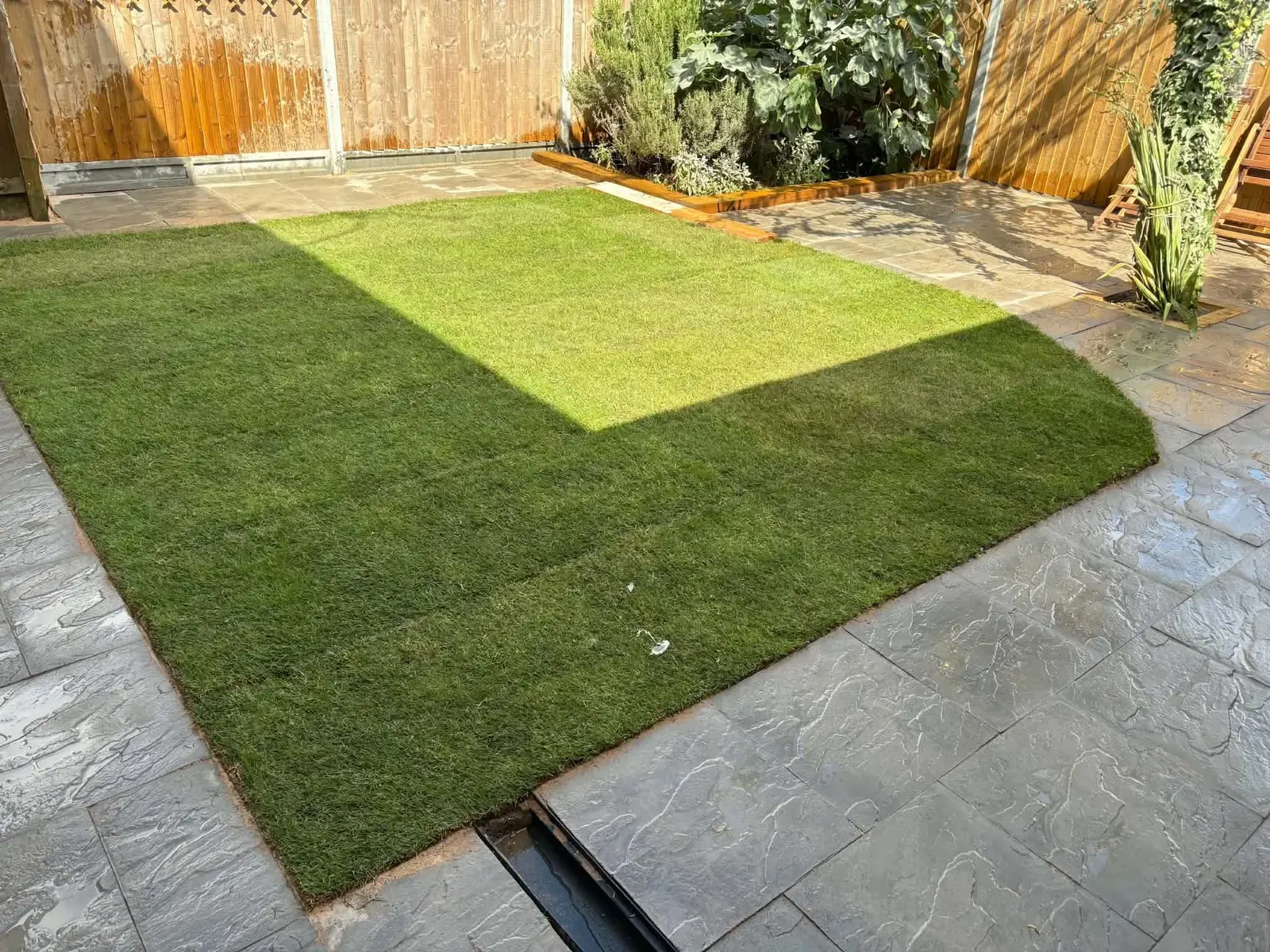
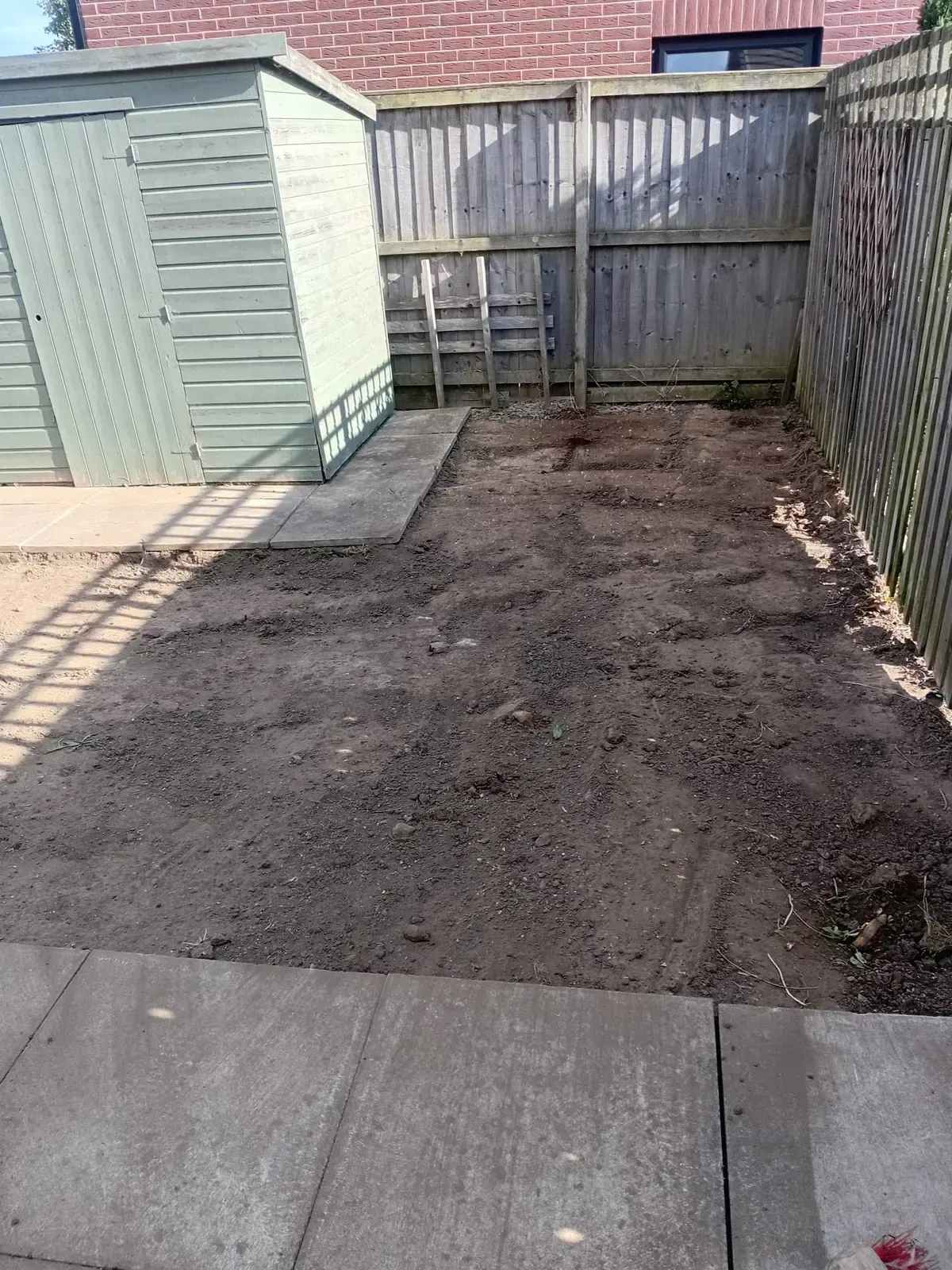
Before and after
Drag the handle to compare the ground before we started with the finished job.
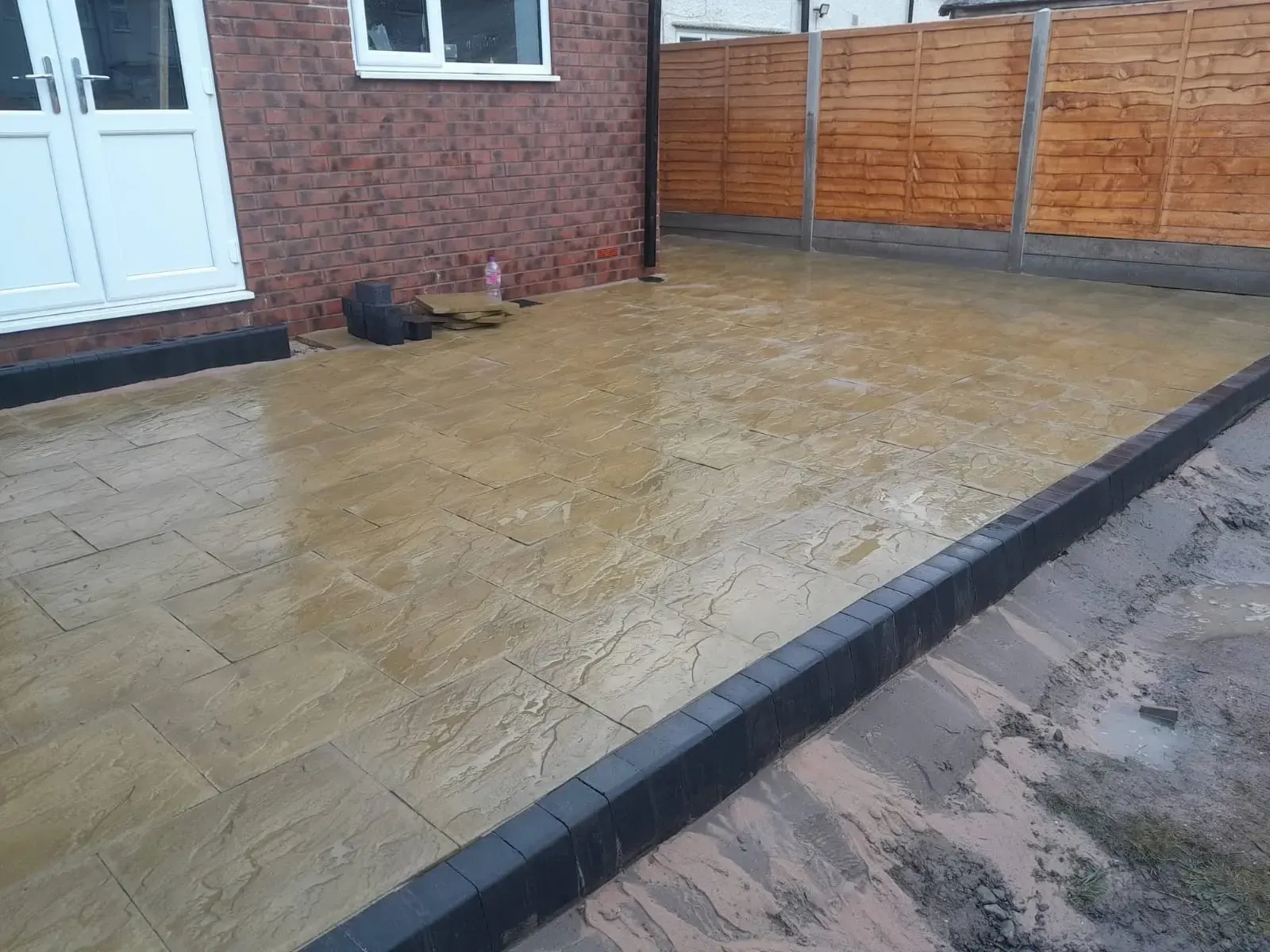
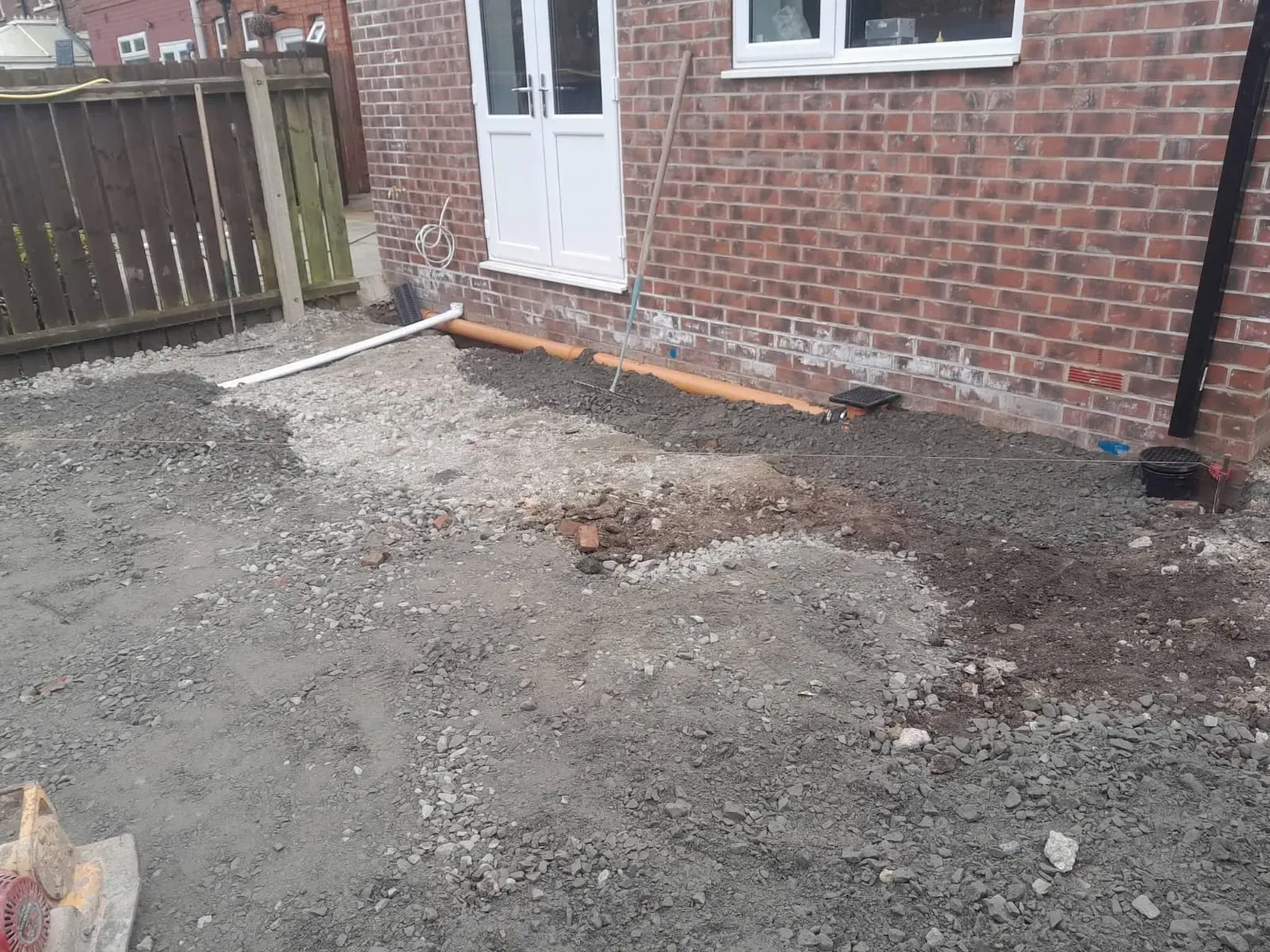 BeforeAfter
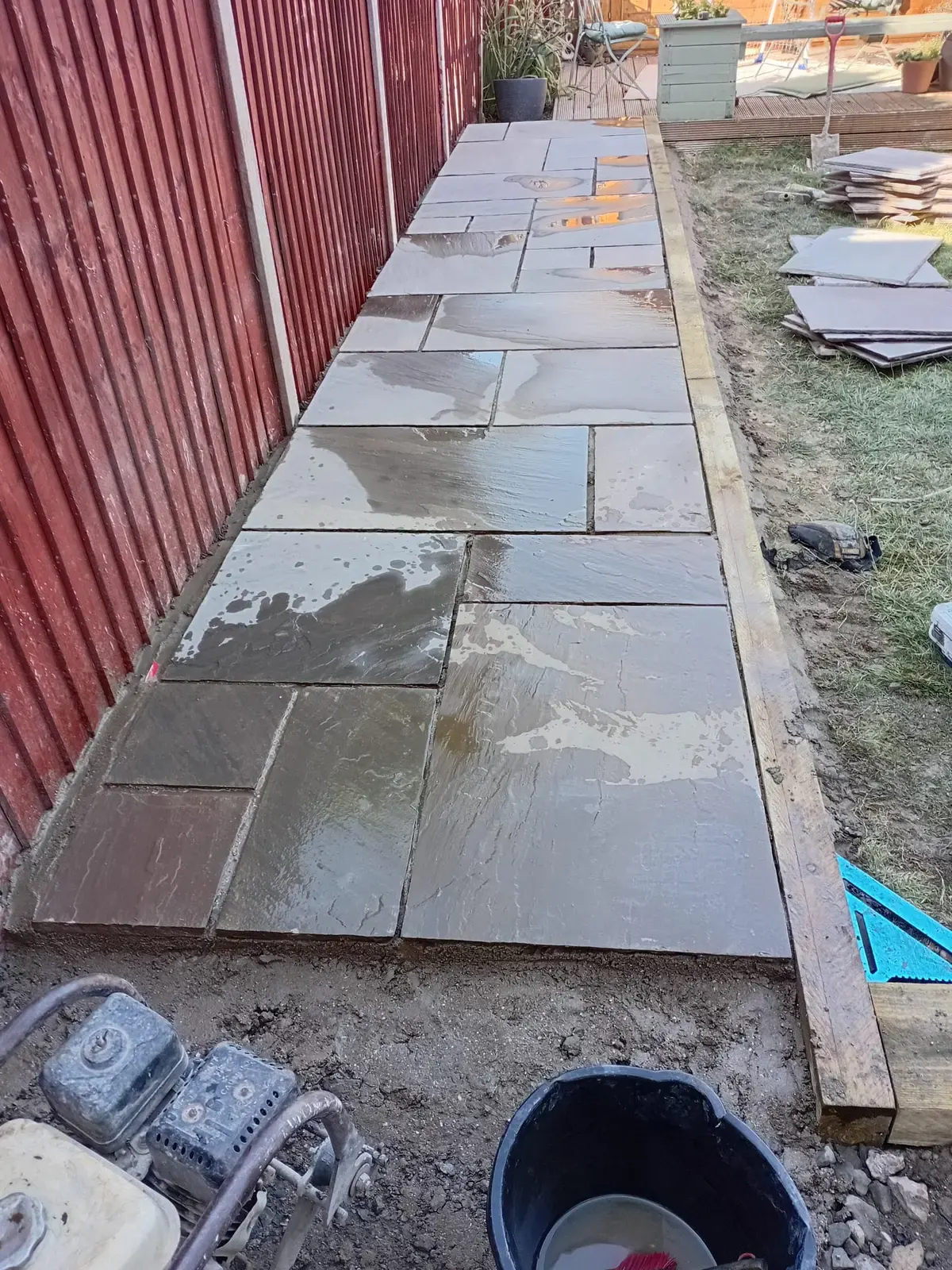
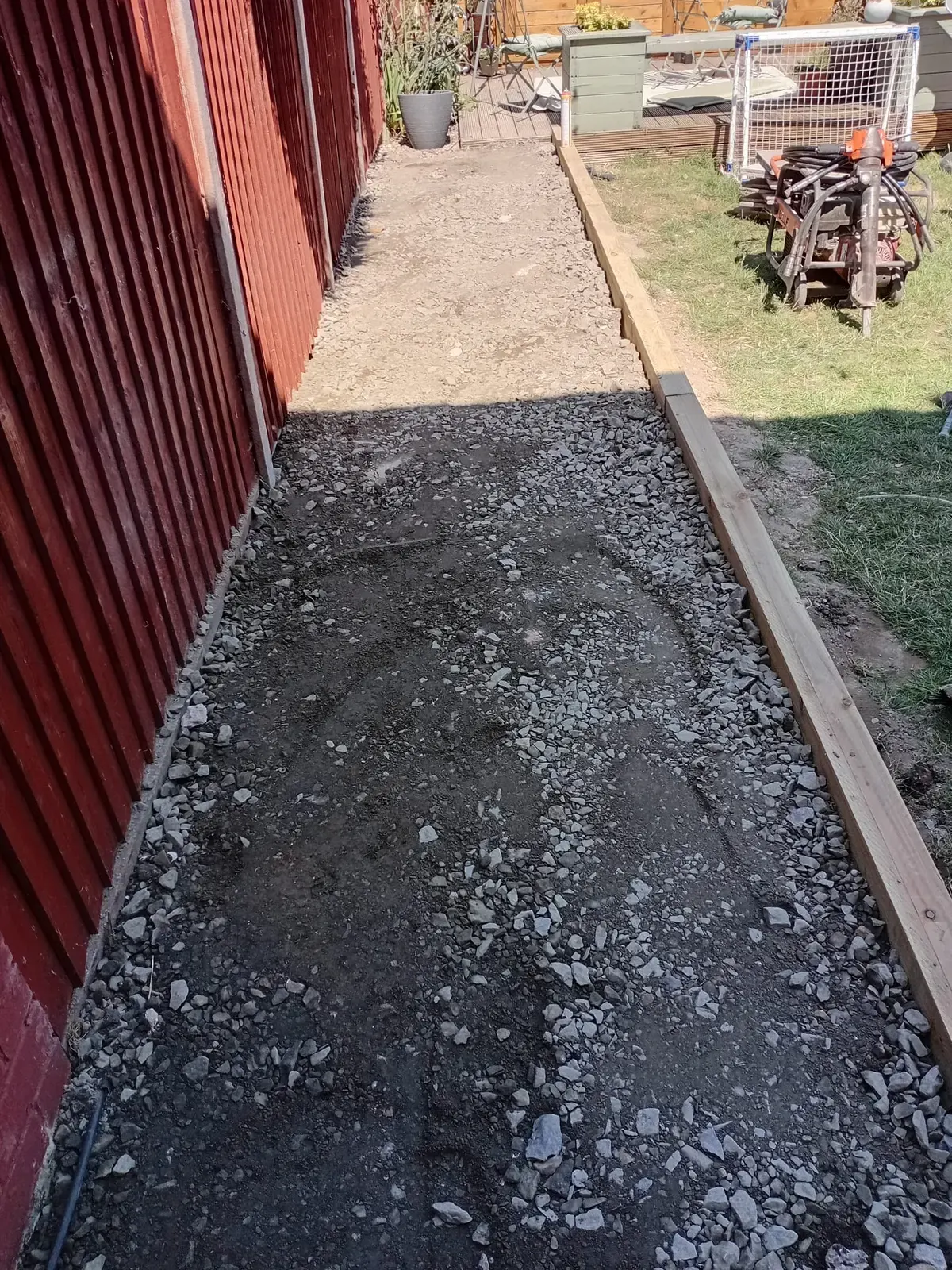 BeforeAfter
 BeforeAfter
Ready for a free quote?
Tell us about the job. We will visit, measure up and give you a written fixed quote.