
Local paving and groundwork
Garden Paths in Hull
A path is used every day, so it needs the right width, a firm base and a fall that keeps it dry underfoot.
Get your free quote
No obligation. Tell us where to reach you and we will be in touch.
Is garden paths right for me?
A good garden path gets you from the door to the shed, the bins or the bottom of the garden without wet shoes or a twisted ankle. It does that by being wide enough, level enough and firm enough, and by shedding water rather than holding it.
This page explains how we plan and build paths, what to think about before choosing a material, and what goes wrong when paths are built too quickly. Every path is quoted individually after a free site visit. We lay paths in slabs, natural stone, block paving and gravel.
Who garden paths suits, and who it does not
It suits you if you want a firm, safe route across a lawn or border, along the side of the house, or to a gate, shed or outbuilding, and you want it to last.
It may not suit you if you want a loose, informal walkway that you can lift and move. For that, a stepping stone route or a gravel path is simpler; our gravel driveways page shows how gravel is held in place. For a larger paved area beside the path, see patios.
Our garden paths build process
Our process, in order:
- Humber Ground Assessment. At the free visit we look at the route, the levels, the soil and where water goes now.
- Drainage-First Plan. We decide where the water will run before we dig, so the path is not the lowest point in the garden.
- Setting out. We mark the line with string and paint, and check it from the house and from the garden, because a path is judged by eye.
- Deep-Base Build. We dig out, lay geotextile where the ground is soft and compact a stone sub-base in layers. Depth and stone: Prepare compacted sub-base, add edge restraint where needed and set safe crossfall away from buildings. Lay paving on full mortar bed with suitable joints..
- Edge restraint. Edges are held with haunching or an edging unit, so the path does not spread or creep.
- Laying. The surface goes on to the agreed levels and falls, with cuts kept tidy at curves and corners.
- Finishing. Joints are filled and compacted, the site is swept and the edges are backfilled with soil or turf.
The detail of each step is on our methods page.
Garden Paths materials, finishes and colours
Paving units. Block paving suits curves and can be lifted and relaid. Sandstone and porcelain give a more finished look; porcelain is rigid and needs a firm, well-prepared base. Both are covered on our sandstone and porcelain pages.
Concrete. A poured path is plain and hard-wearing. Joints and a sound base keep it from cracking randomly; see concrete driveways and paths.
Gravel and stepping stones. A loose gravel surface is quick and lets water through, but it needs a membrane and edging so it stays where it is put. Stepping stones work best where the route is occasional.
Width. As a general norm, around 900mm suits one person and 1.2 metres suits two. This is not our specification. Prepare compacted sub-base, add edge restraint where needed and set safe crossfall away from buildings. Lay paving on full mortar bed with suitable joints.
Edging. A good edge is what makes a path look finished and stops it spreading into the lawn. Prepare compacted sub-base, add edge restraint where needed and set safe crossfall away from buildings. Lay paving on full mortar bed with suitable joints.
Drainage, planning and building regulations
Falls. A path should fall gently across its width, often about 1 in 80 as a general norm, so water runs off to a lawn or border rather than standing on the surface. Prepare compacted sub-base, add edge restraint where needed and set safe crossfall away from buildings. Lay paving on full mortar bed with suitable joints.
Where the water goes. A path beside a wall should not channel water towards the house. Where a path is hemmed in, a drainage channel or soakaway may be needed. Concrete or porcelain slabs, natural stone, blocks or gravel from available supplier ranges.
Planning. Most back-garden paths need no planning permission. A hard surface of more than five square metres in a front garden, draining to the road, needs permission unless the water flows to a lawn, border or soakaway. Listed buildings and conservation areas have extra rules. Check with your council.
Timescales and aftercare
A short, straight path can take a day or two, and a long or curved one longer. Our current guide is typically 1 to 4 working days for a domestic path. We do not lay in heavy rain or hard frost.
Aftercare. Keep heavy loads off a new path for the period we give you, and keep leaf litter and moss from building up. Guarantee: covered by our guarantee, with the terms set out in your written quote.
Garden Paths costs in Hull
We quote each path individually and give a fixed written price after the free visit. Guide prices:
Paved garden path, laid: From £90 per m².
What moves the price: length, width, material, curves, access for materials and whether steps or edging are needed.
What is included: the preparation, materials, labour and tidy-up listed in your written quote.
Common problems and contractor mistakes
- Too little base. The path sinks or rocks where the ground is soft.
- No edge restraint. The path spreads and the outer units move.
- Too narrow. A path that is not wide enough gets walked off, leaving worn grass at the side.
- Ponding. A flat path holds water, which makes it slippery and green.
- Raised above the lawn. A path that stands proud of the grass catches mower blades and feet.
- Services forgotten. Ducting and lighting runs that are not planned before the base goes in.
Garden Paths in Hull: local ground and weather
Hull’s clay subsoil holds water and moves with wet and dry spells, so a garden path needs a well-compacted base and a planned fall. Paths in shaded side returns stay damp, so grip and drainage matter more there. Access for materials is often the hard part on narrow terraced plots, and we plan for barrowing where there is no gate wide enough for a machine. We work across Hull, Beverley and Hessle.
Recent garden paths work
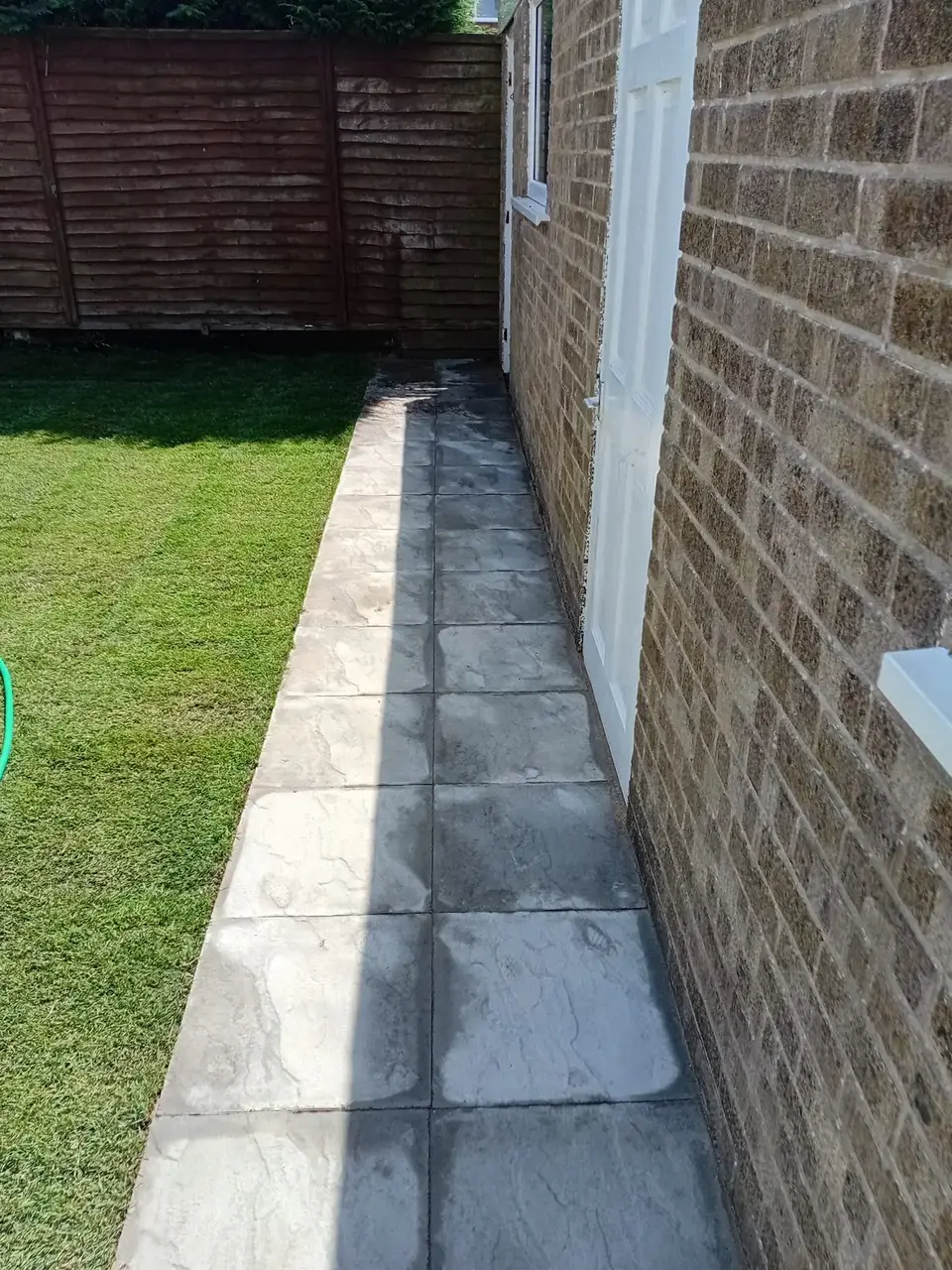
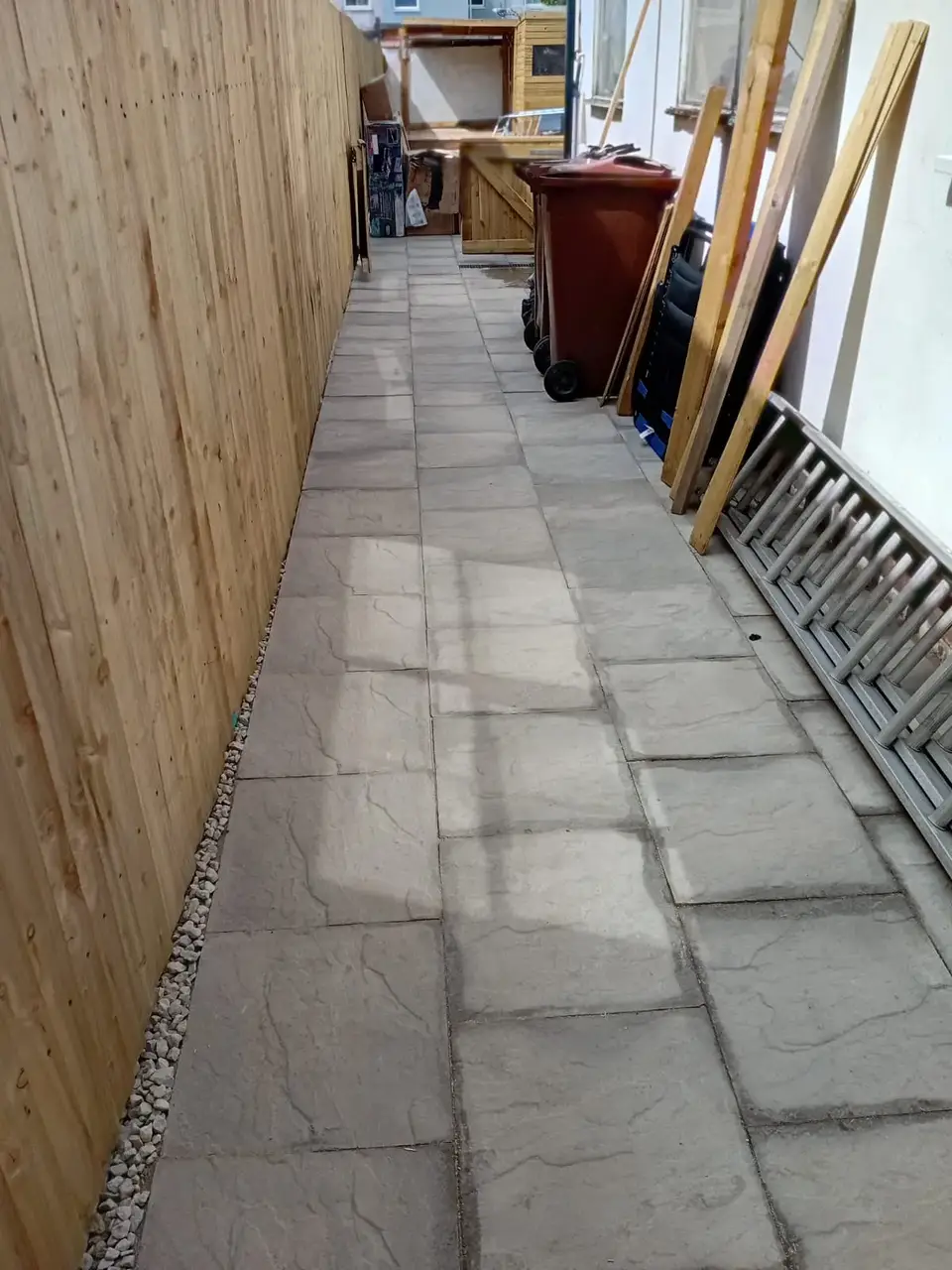
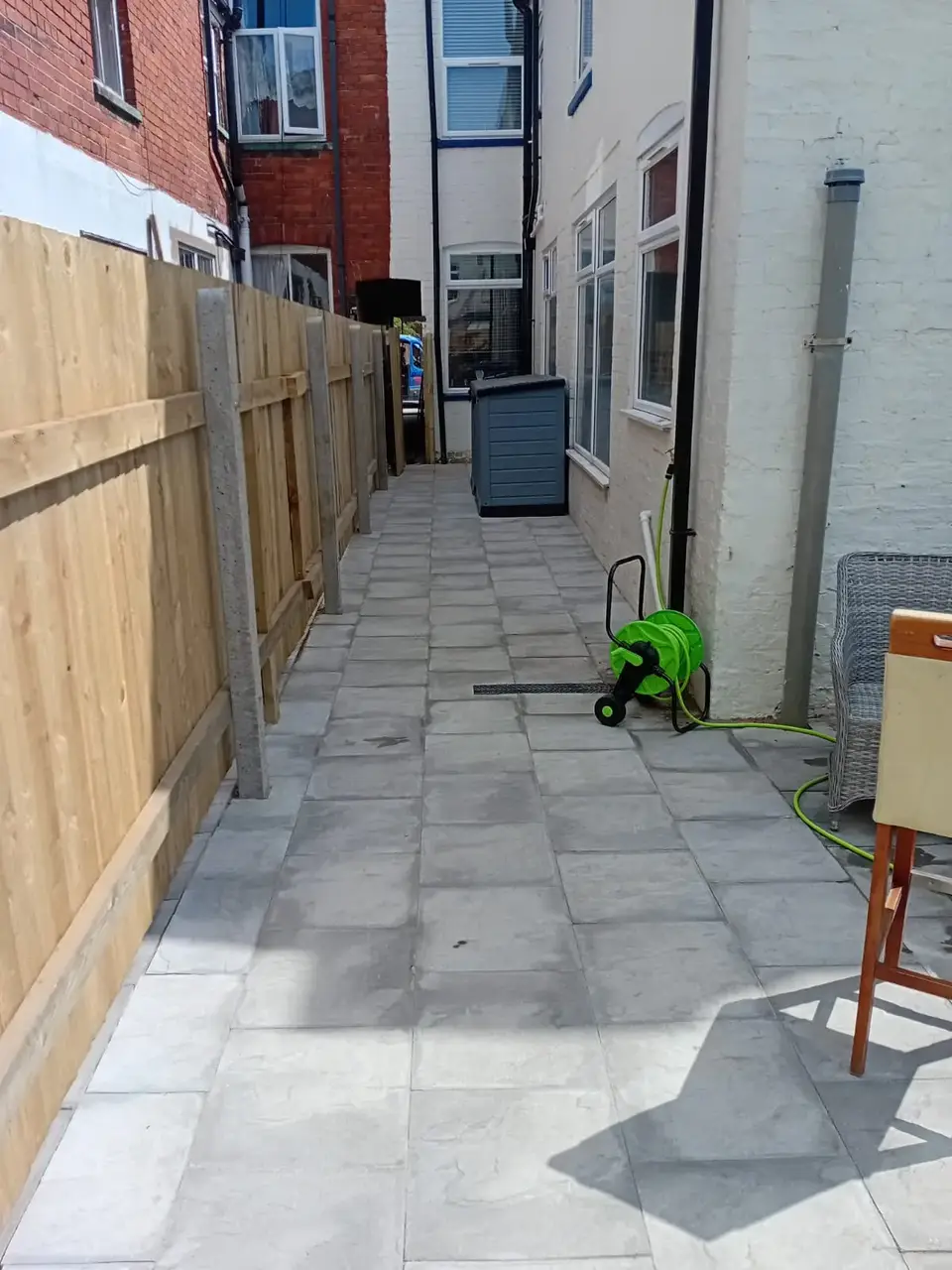
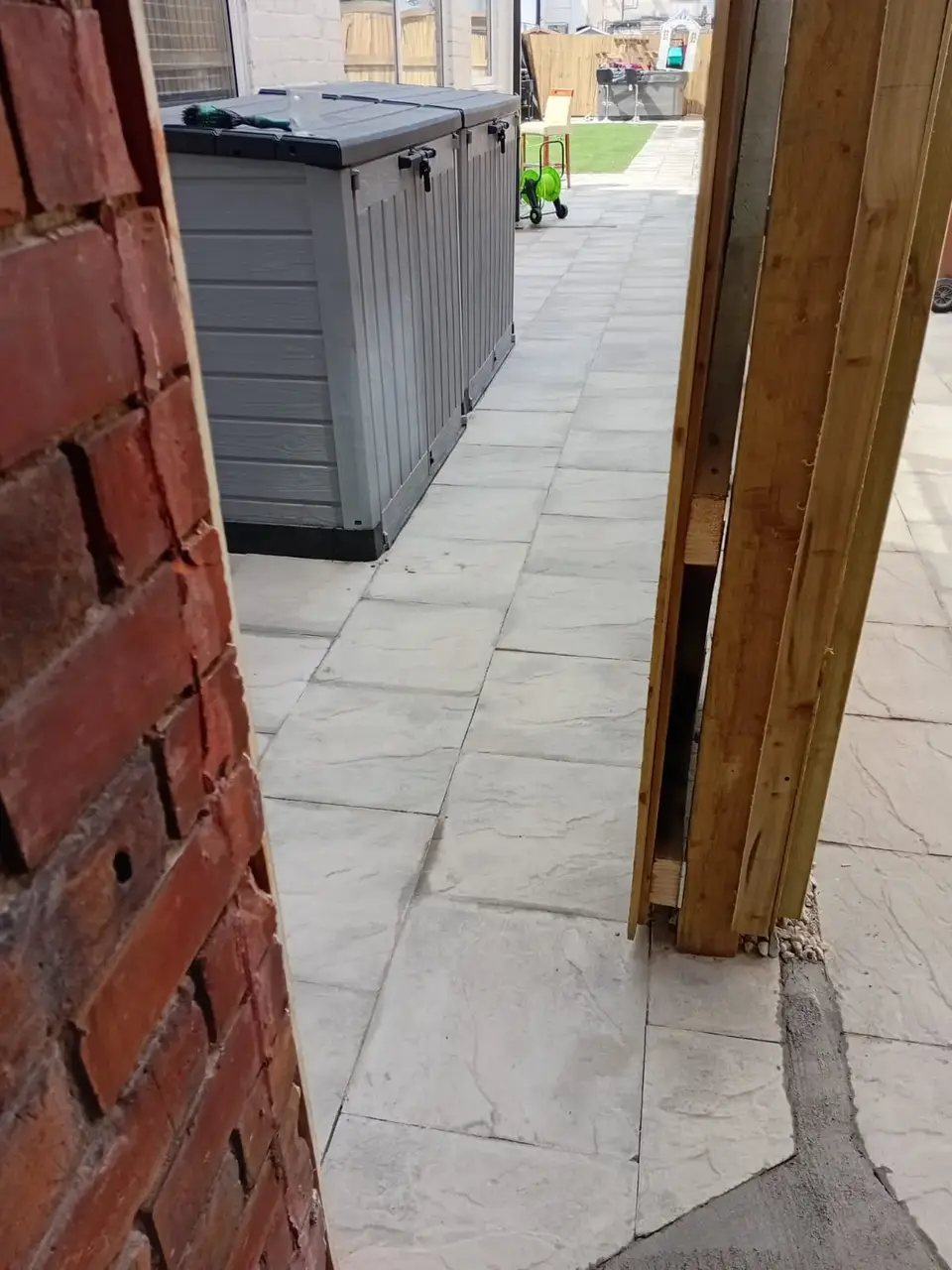
What customers say
“Fantastic team from start to finish very professional gave great advice”
Google review
“Highly recommended!!! Does all my property refurbs when it comes to artificial grass and/or groundwork’s. 100%”
Google review
“I found Pave It to be very good and their work is absolutely fantastic. I would definitely recommend them to all my family and friends. They are so efficient in all they do.”
Google review
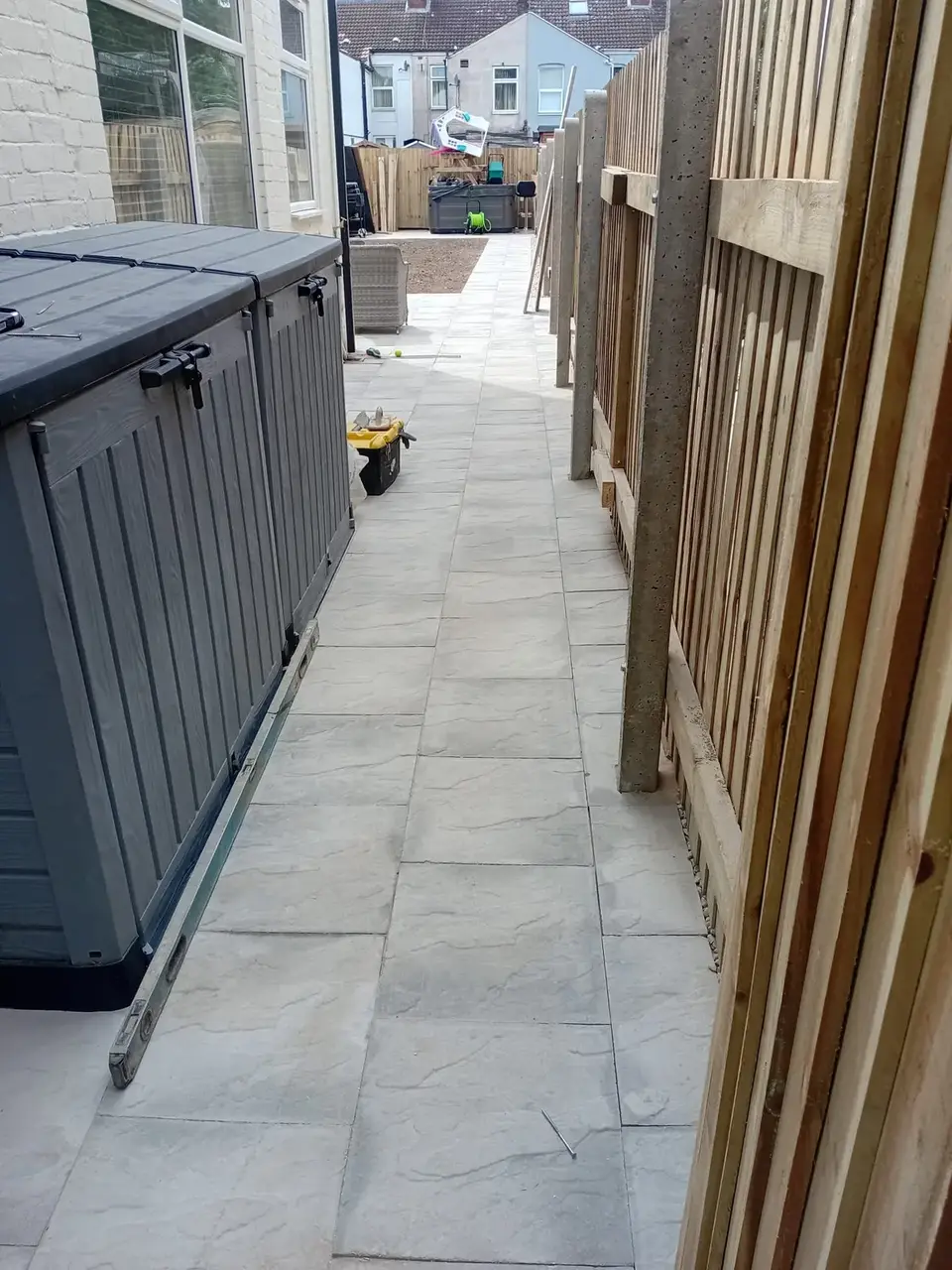
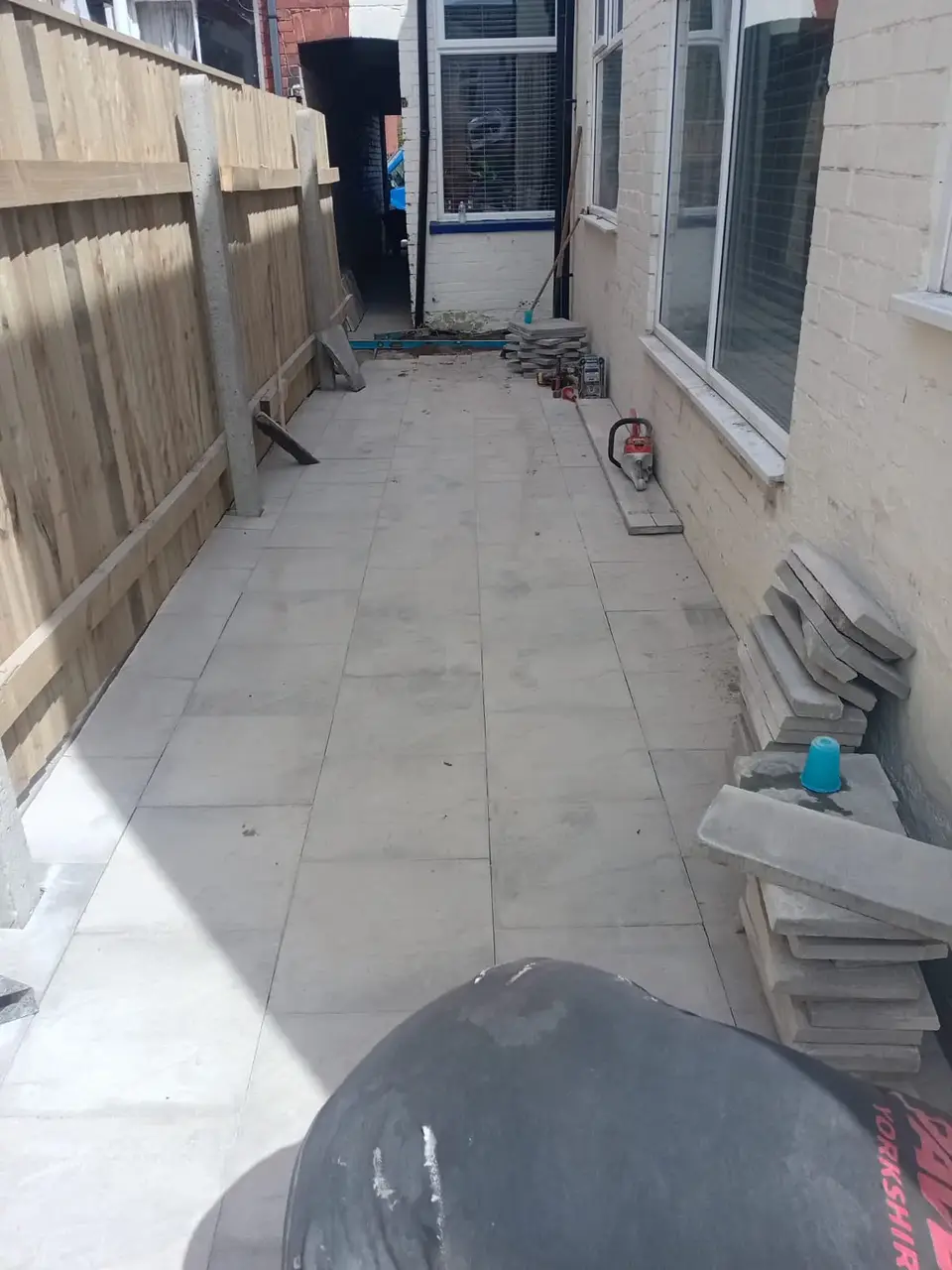
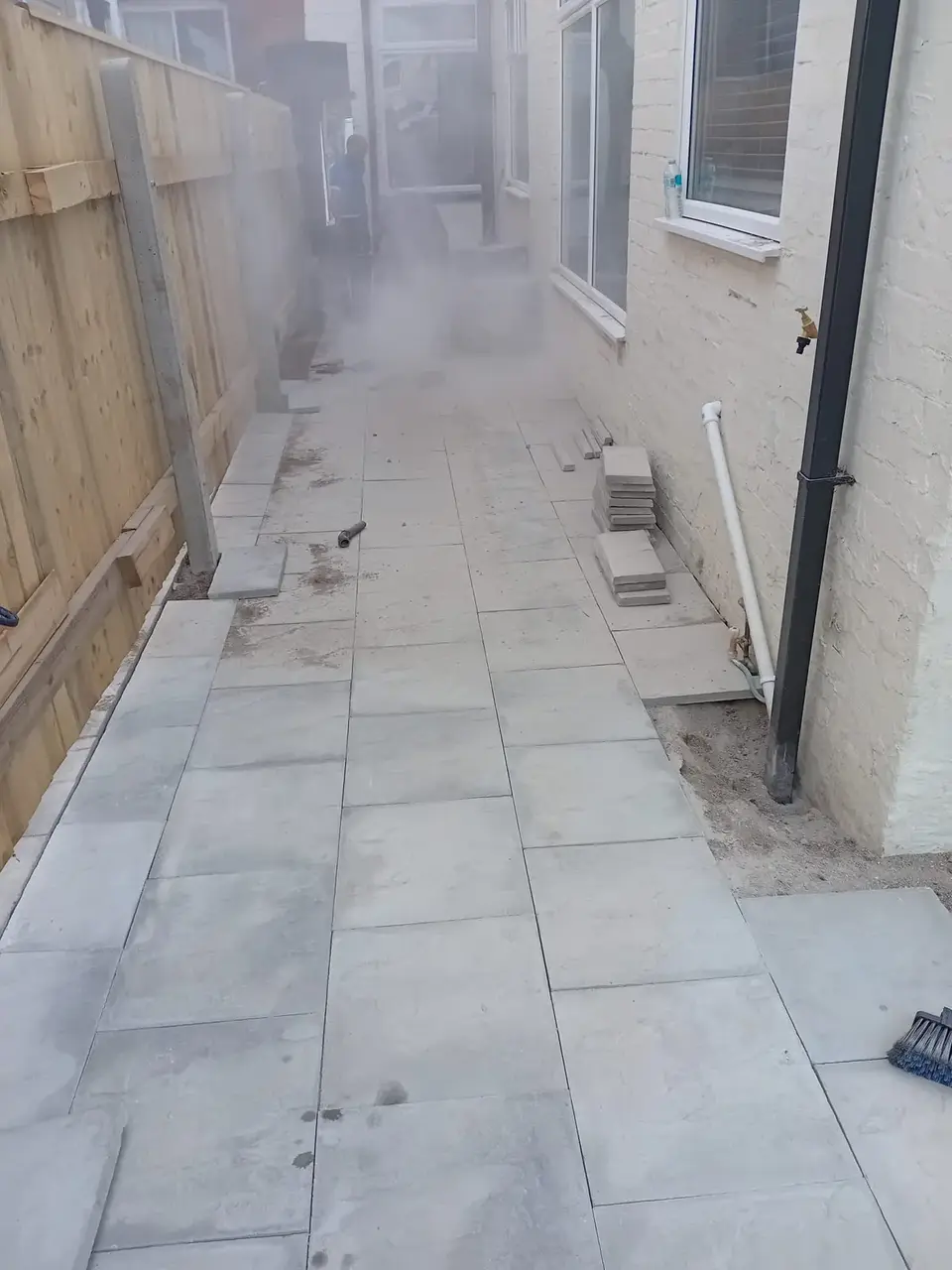
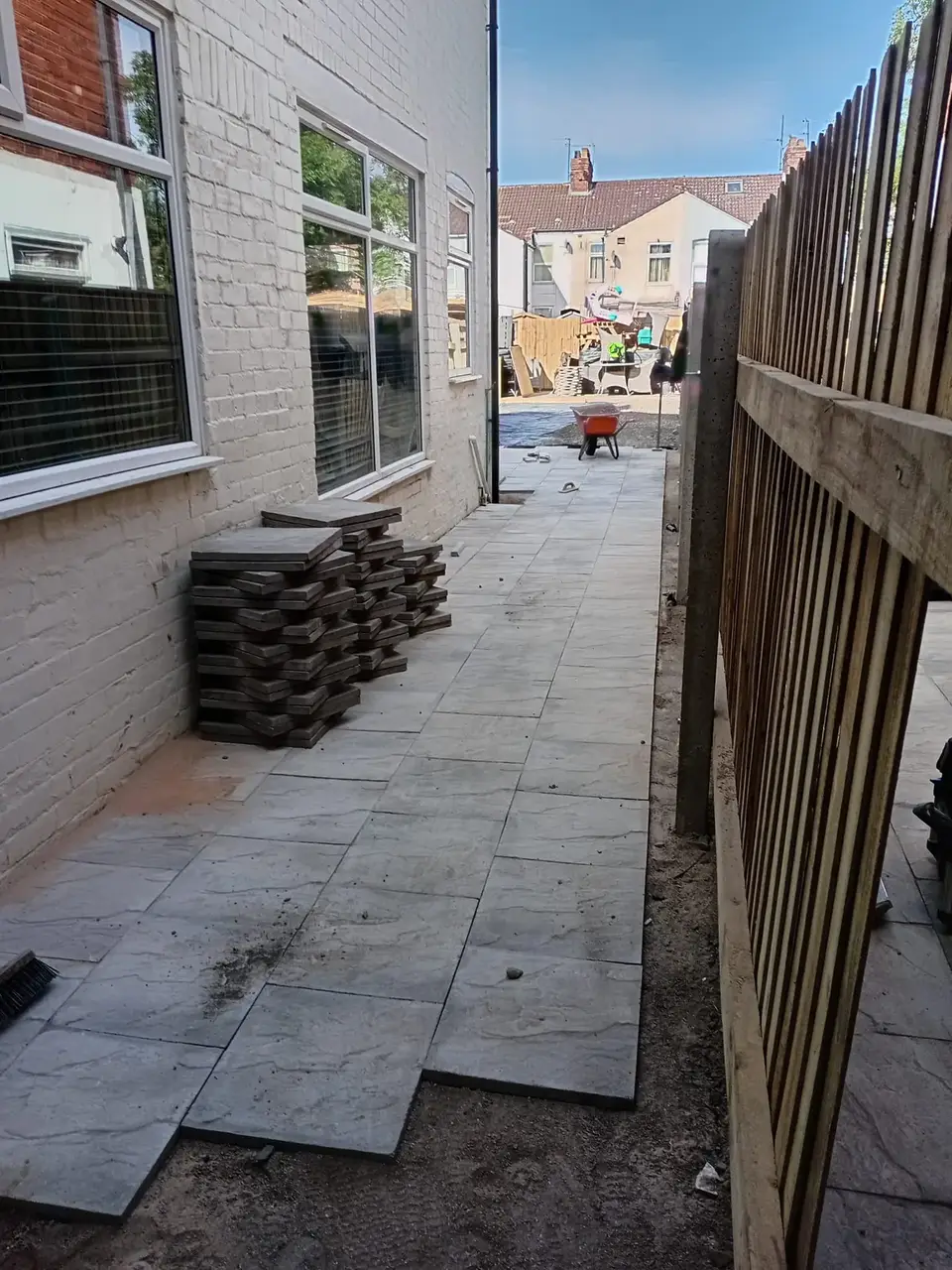
Garden path projects
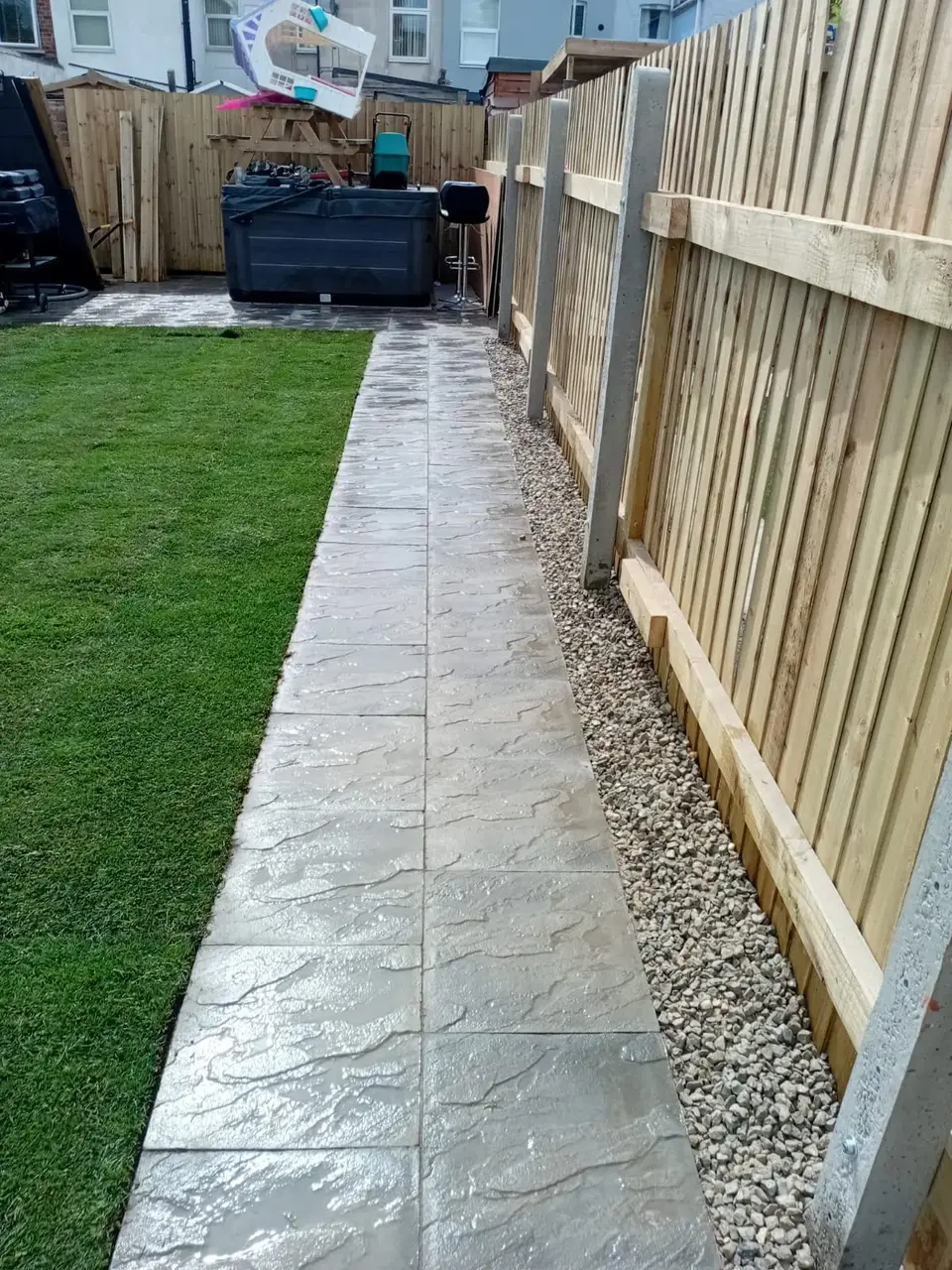
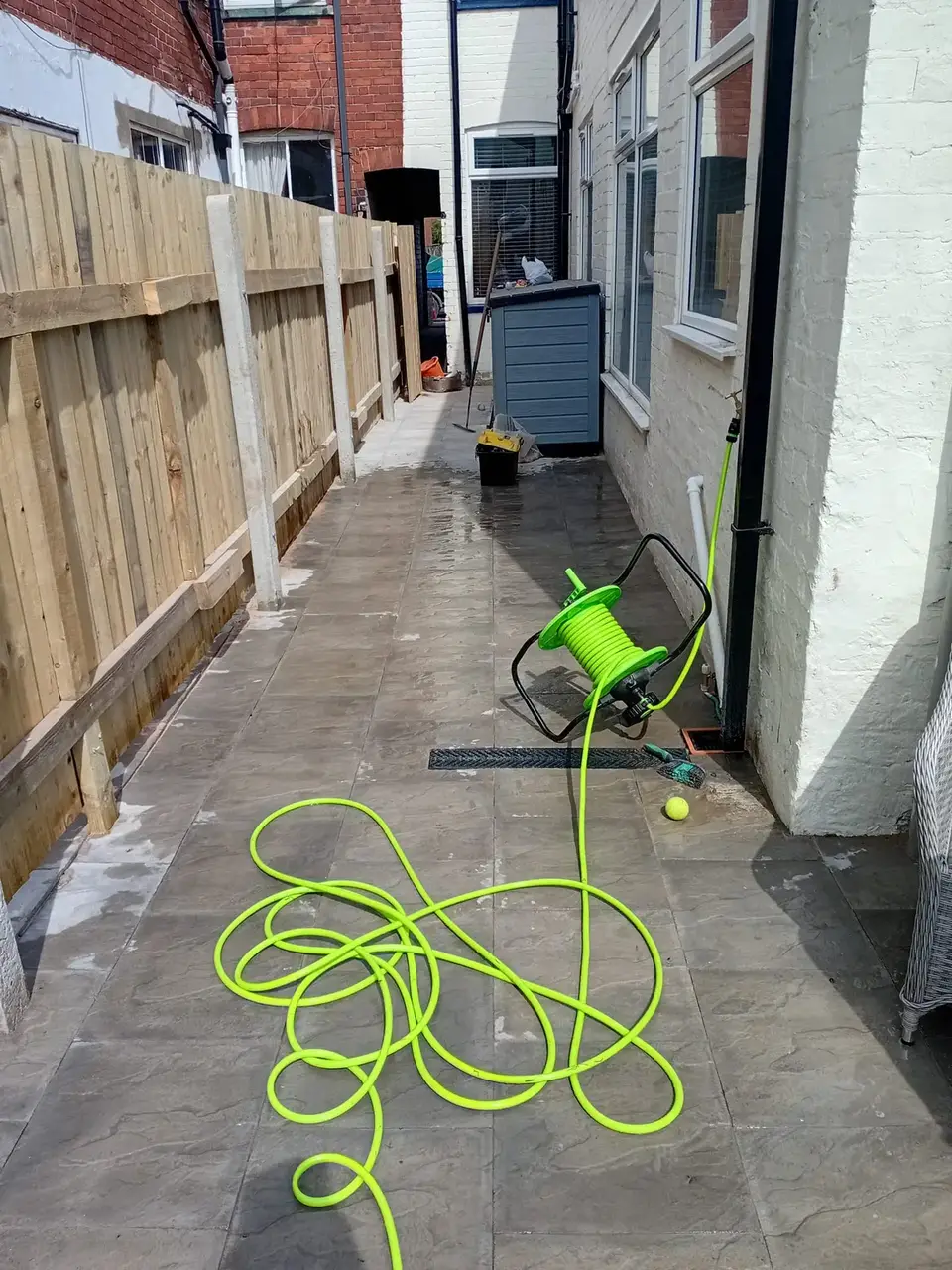
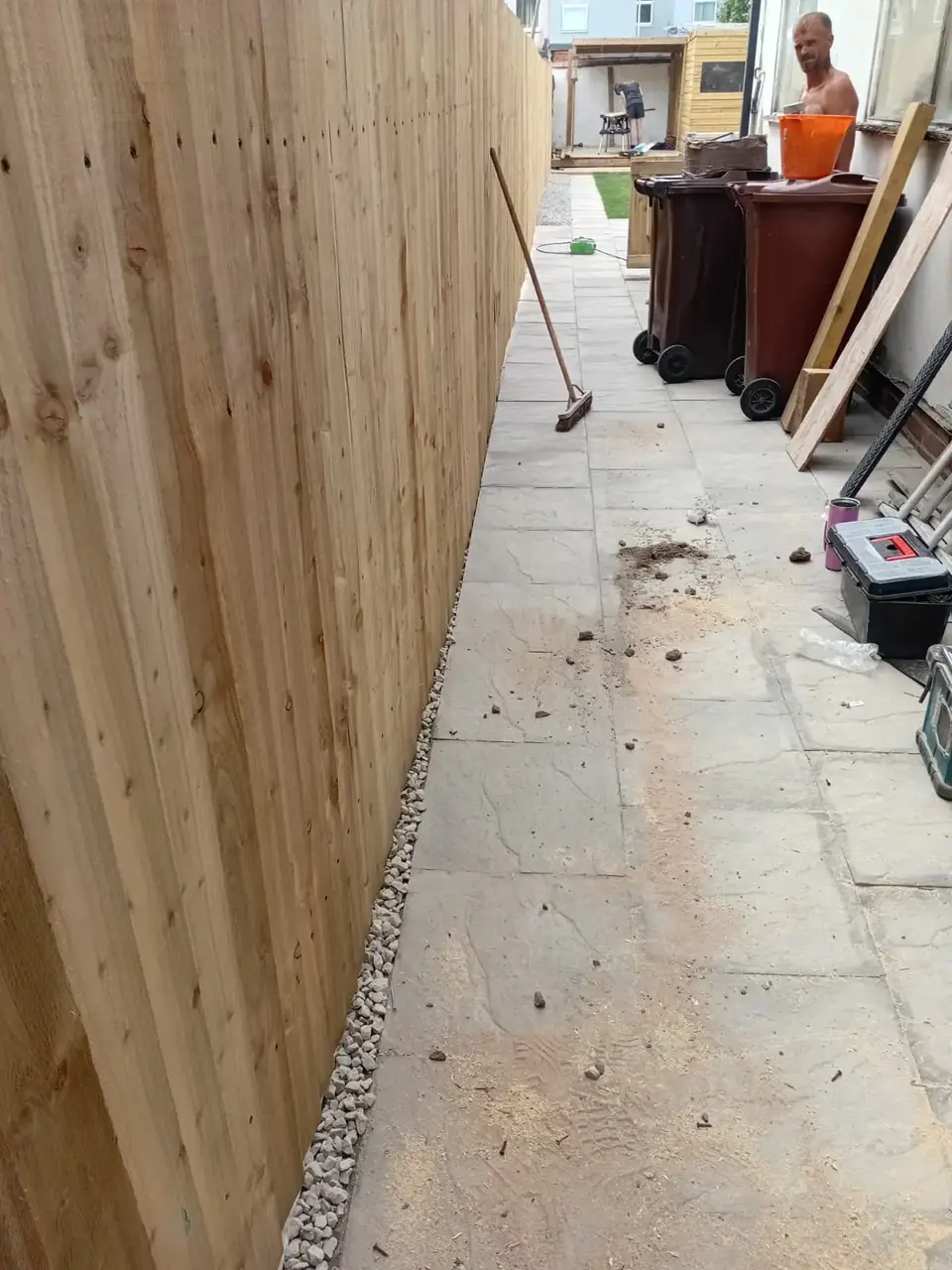
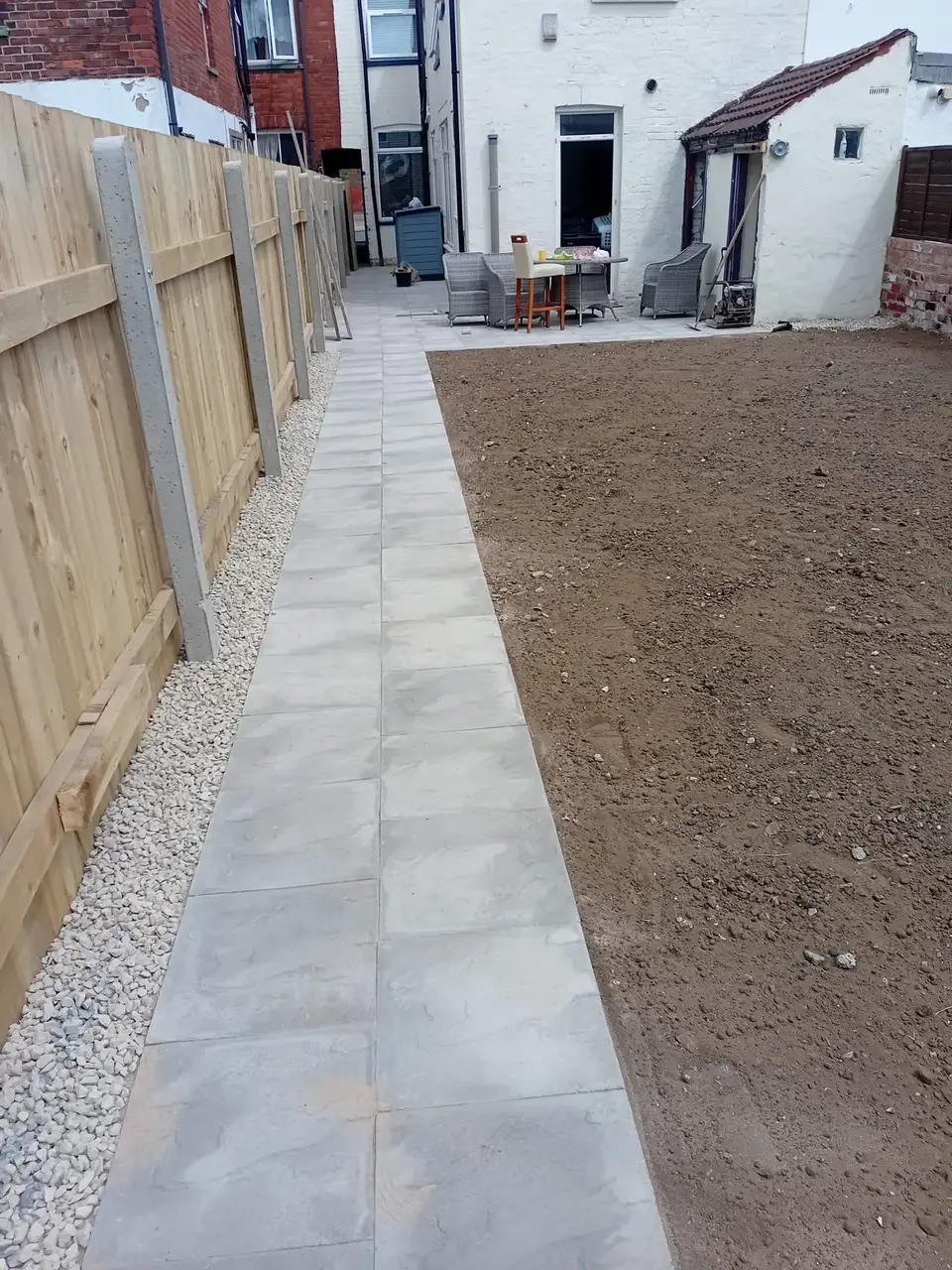
Garden Paths questions
How wide should a garden path be?
Wide enough for the people and barrows that use it. As a general guide, around 900mm lets one person walk comfortably, and about 1.2 metres lets two pass or a wheelchair turn. This is a general norm, not our specification. Prepare compacted sub-base, add edge restraint where needed and set safe crossfall away from buildings. Lay paving on full mortar bed with suitable joints.
What is the best material for a garden path?
It depends on the look, the budget and the use. Block paving can be repaired in sections, sandstone and porcelain give a finished look, gravel is quick and permeable, and concrete is plain and hard-wearing.
Does a garden path need a sub-base?
Yes, for anything laid as a hard surface. A compacted stone base stops the path settling and rocking. Foot traffic is light, but a path with no base still sinks where the ground is soft.
Can you lay a path on clay soil?
Yes, with a properly built base and planned falls. Clay holds water and moves a little, so we dig out, compact in layers and make sure the water has somewhere to go. Prepare compacted sub-base, add edge restraint where needed and set safe crossfall away from buildings. Lay paving on full mortar bed with suitable joints.
Do I need planning permission for a garden path?
Usually not for a path in a back garden. A path across a front garden that drains to the road is covered by the front garden rules, and listed buildings and some conservation areas have extra rules. Check with your council.
How do I stop a path getting slippery?
Choose a surface with grip, keep it clear of leaves and moss, and give it a fall so water does not sit on it. Shaded paths green over first, so cleaning and a drier position help.
Can a path have lighting or a cable run?
Yes, if it is planned before the base goes in. Ducting under the path costs little at the start and a great deal to add later.
How long does a garden path take to build?
A short path can be a day or two, and a long or winding one longer. We give you a time after the free visit.
How we work
Every job follows the same eight stages, so you know what happens next.
Enquiry
You call, message us on WhatsApp or send the quote form. We note what you want and arrange a visit.
Site visit and measure
We come to your property, look at access, levels and drainage, and measure up. This is free.
Written fixed quote
You receive a written fixed quote that sets out the work, so you can compare it with confidence.
Groundwork plan
We agree the dig depth, base, edging and where the water will go before any work starts.
Dig-out and base
We excavate, remove spoil and build the sub-base in compacted layers, because the base decides how long the surface lasts.
Laying
We lay your chosen surface to the agreed levels and falls, cutting neatly at edges and drains.
Finishing and sealing
We fill and brush joints, apply sealing where the material calls for it, and tidy the edges.
Handover and aftercare
We walk you round the finished job and explain how to look after it.
Before and after
Drag the handle to compare the ground before we started with the finished job.
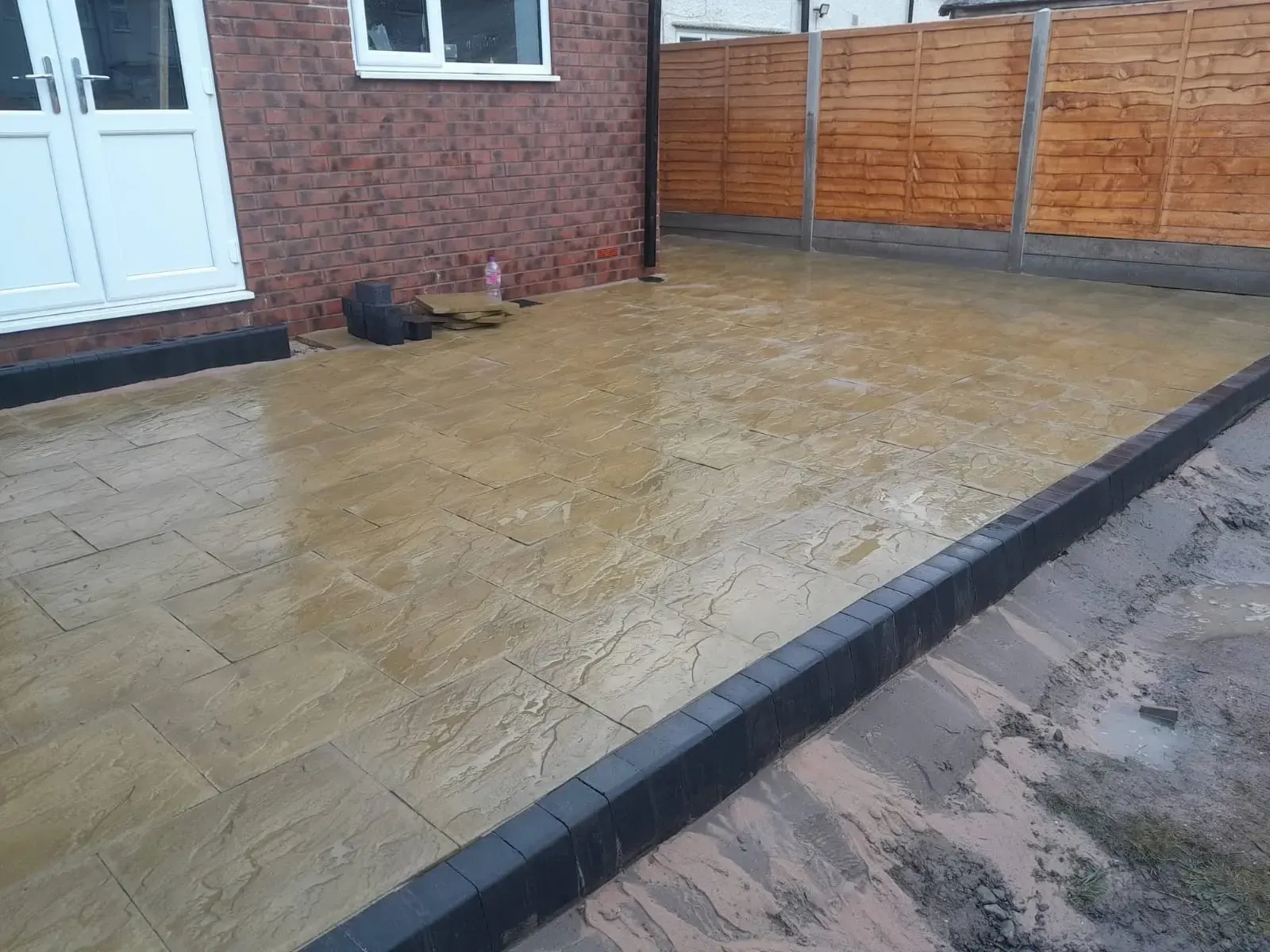
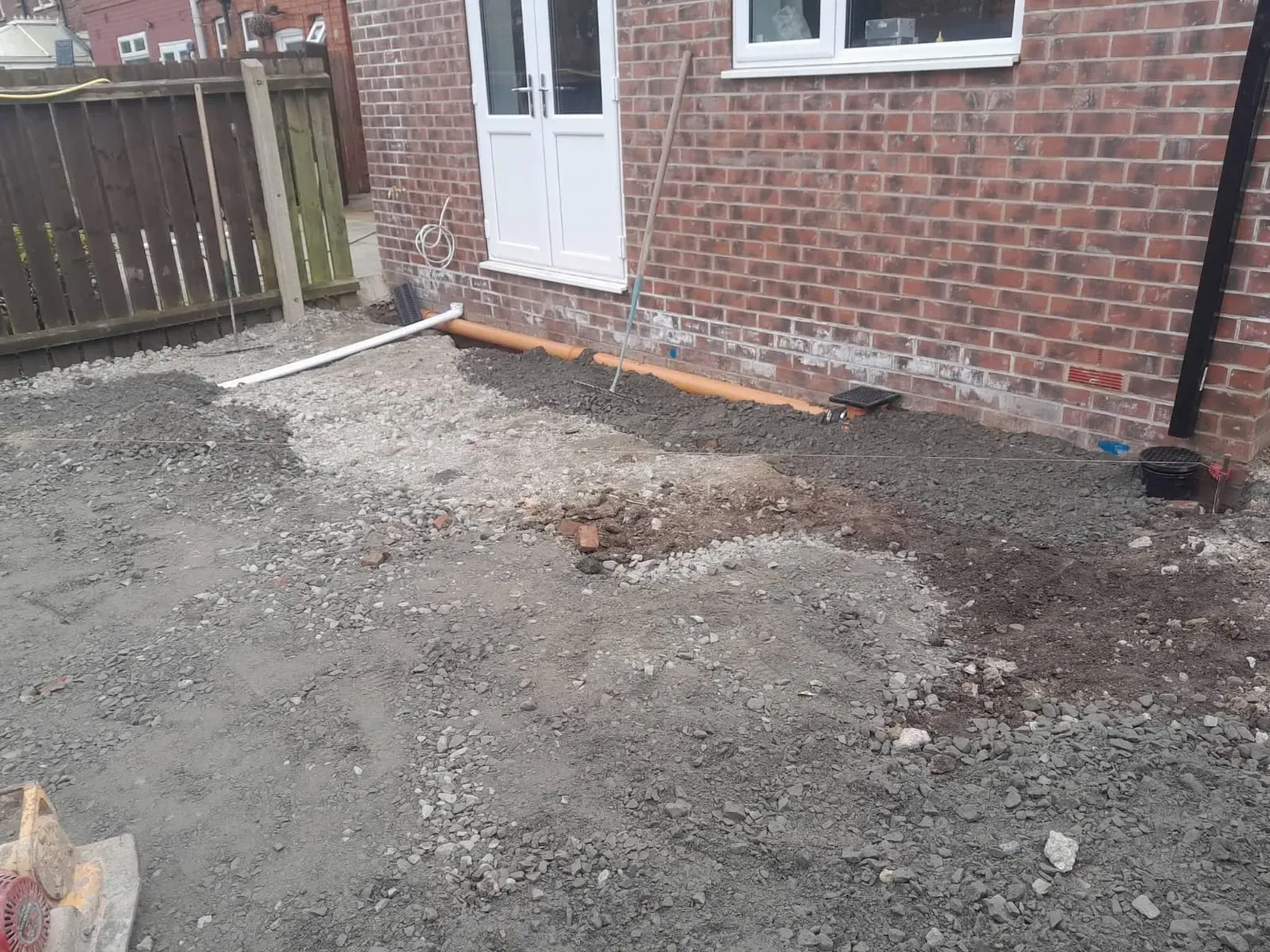 BeforeAfter
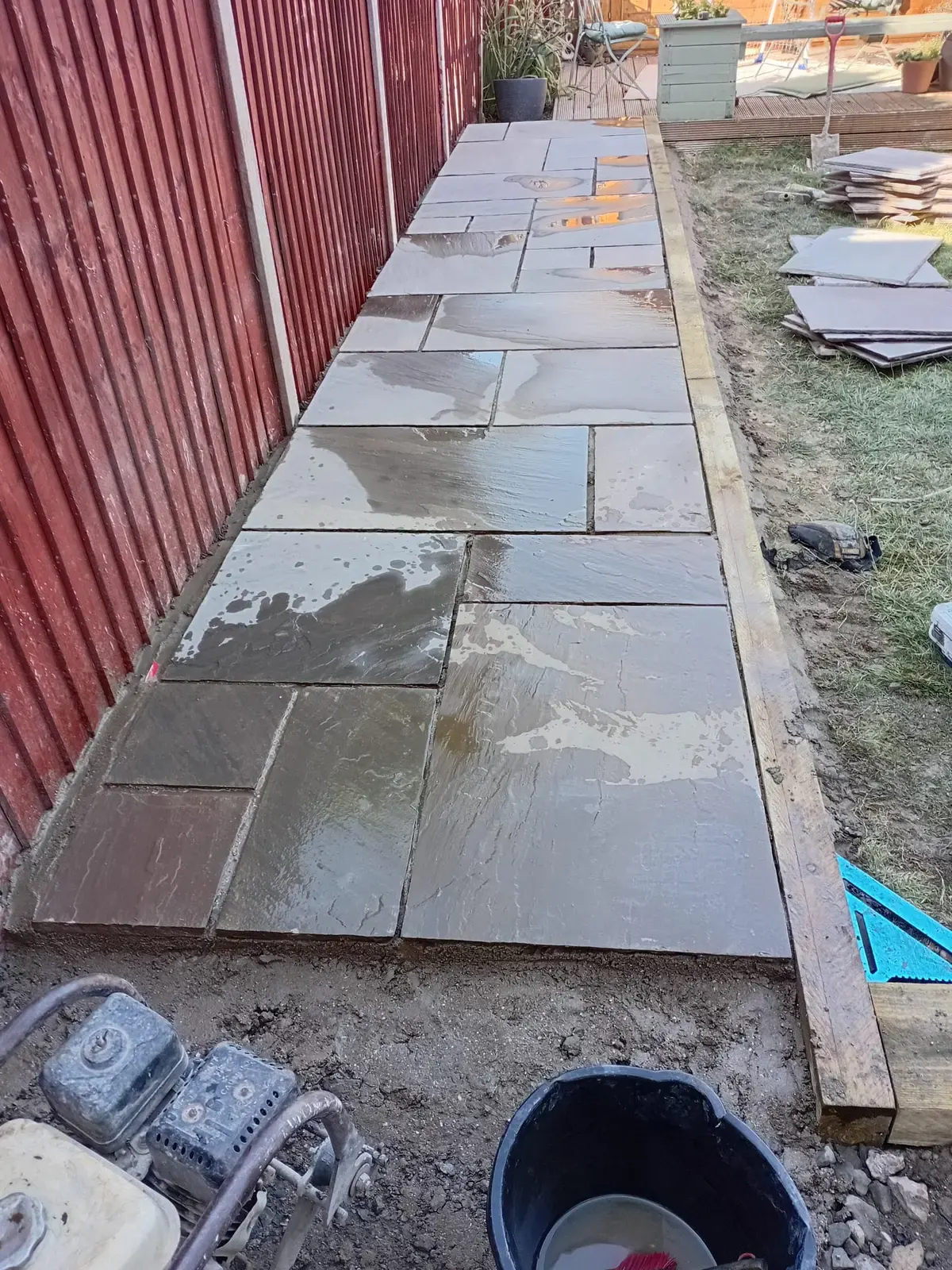
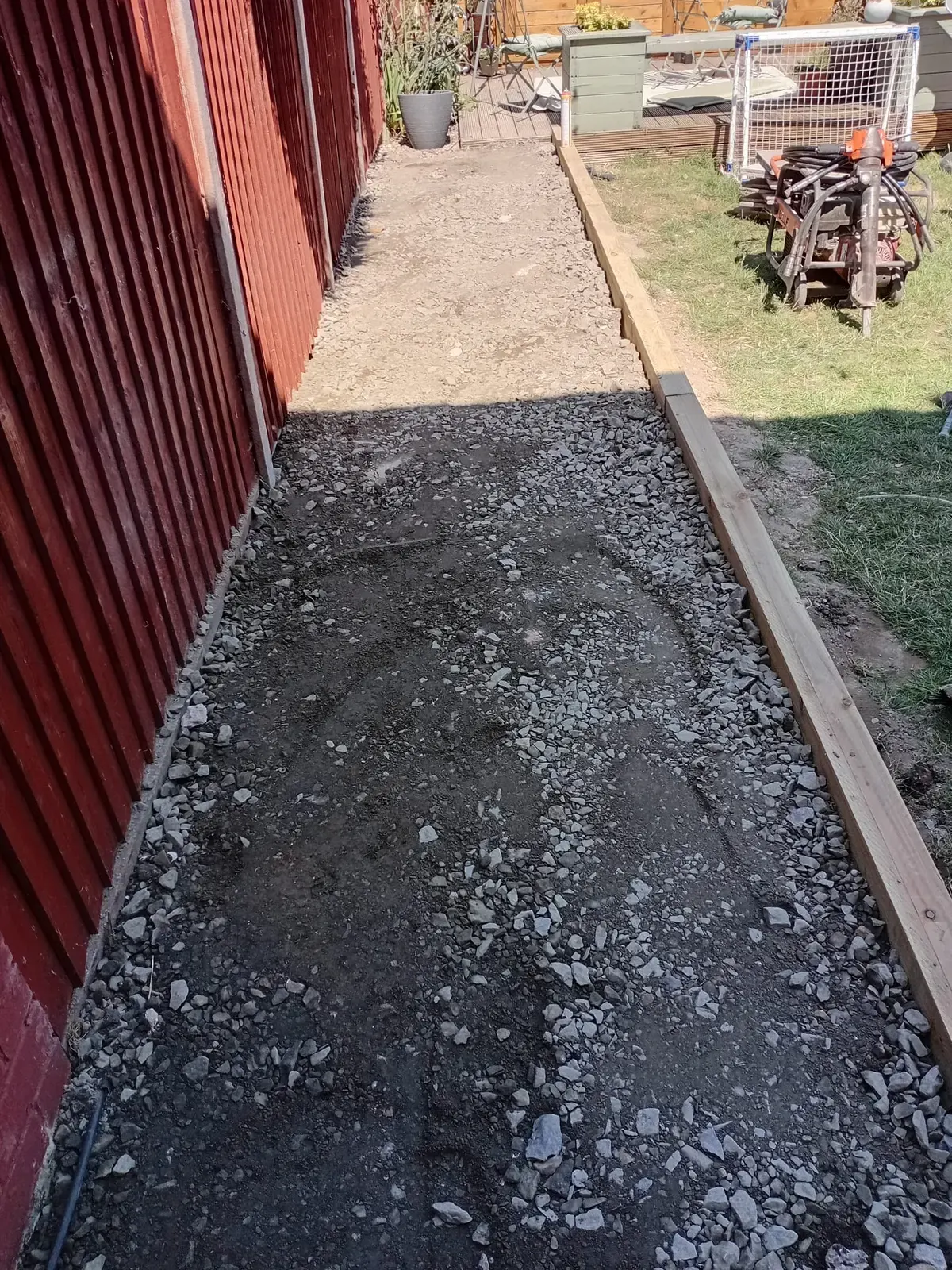 BeforeAfter
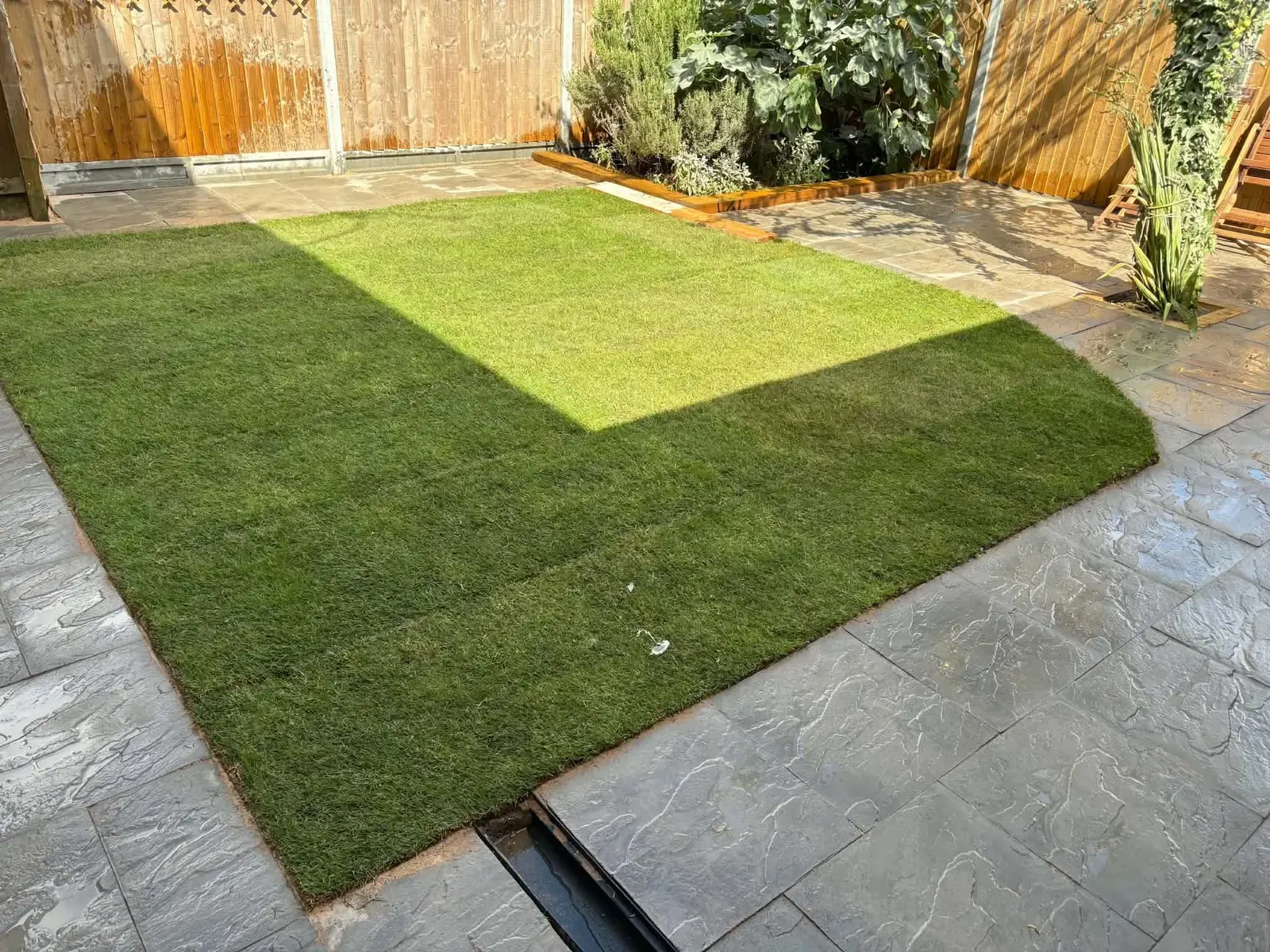
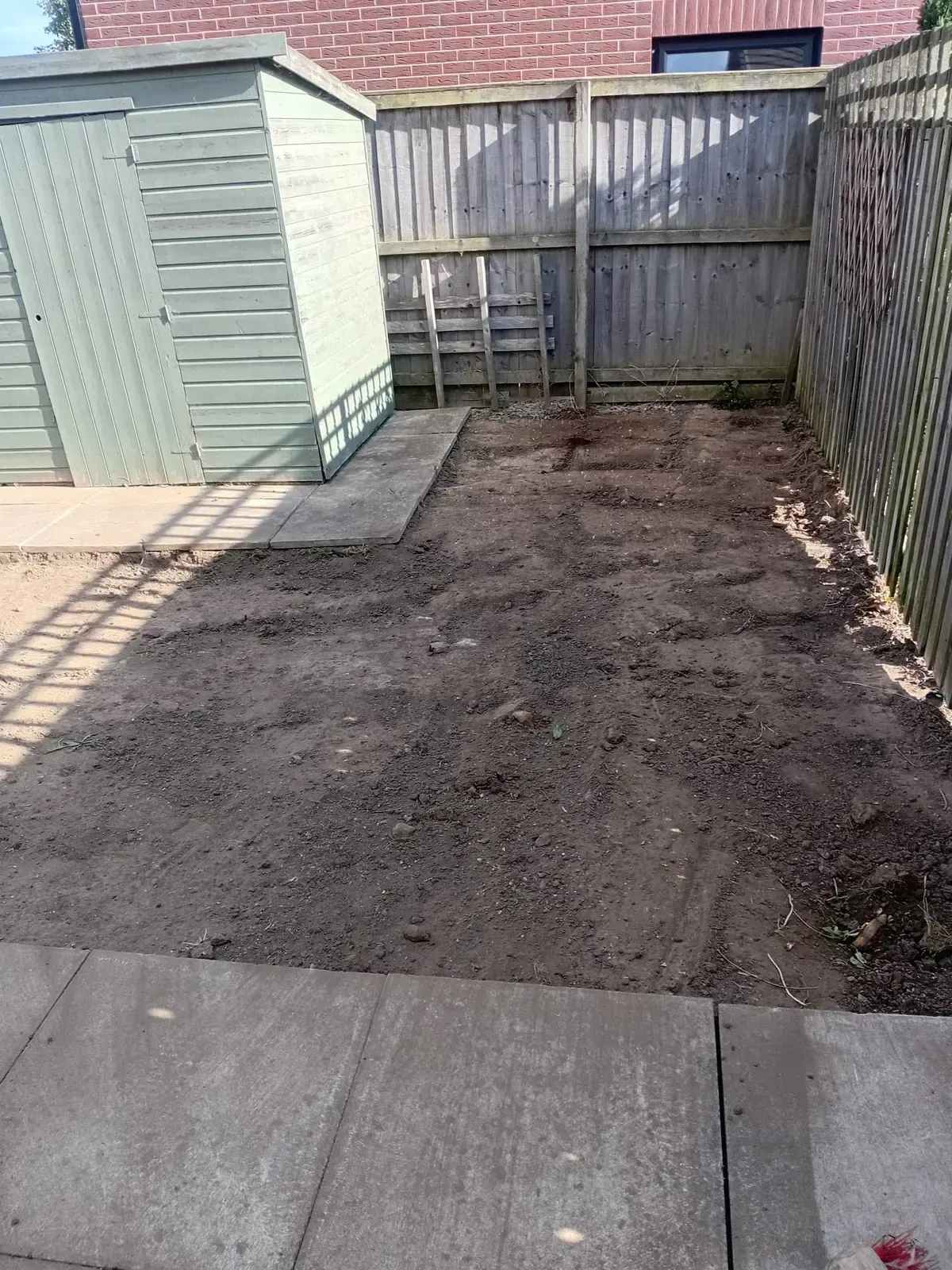 BeforeAfter
Ready for a free quote?
Tell us about the job. We will visit, measure up and give you a written fixed quote.