Local paving and groundwork
Indian Sandstone Paving in Hull
Natural riven sandstone patios and paths with real character, built on a base designed for Hull ground.
Get your free quote
No obligation. Tell us where to reach you and we will be in touch.
Is indian sandstone paving right for me?
Indian sandstone is a natural stone, quarried, split or sawn into slabs. No two slabs are the same, which gives a patio real character and suits traditional homes. It is a good choice if you like variation in colour and texture and are happy to look after a porous surface.
It is not the right pick if you want identical slabs or a surface that never needs sealing or cleaning. In that case, see porcelain paving.
Who indian sandstone paving suits, and who it does not
It suits you if you live in an older home, want a traditional or cottage-garden look, or like a surface that weathers naturally. Riven stone suits relaxed, random-pattern layouts; sawn stone suits clean, contemporary ones.
It may not suit you if you want a spotless, uniform finish, hate the idea of sealing, or have a very shaded, damp garden where algae will be a regular job. Porcelain is the honest alternative there.
For a driveway, sandstone is not our first choice; block paving or tarmac is made for vehicle loads. We install Indian sandstone for patios and paths.
Our indian sandstone paving build process
The slabs are only as good as the base. Our named methods:
- Humber Ground Assessment. At the free visit we probe the ground, check levels, access and services, and record what we find in the written quote.
- Drainage-First Plan. We set falls away from the house and choose the outlet before choosing the stone.
- Deep-Base Build. We dig to the depth the ground needs and compact the stone sub-base in layers, deeper on soft ground, with concrete-backed edging. Depths and bedding specification: Suitable compacted sub-base, full mortar bed, consistent jointing and falls away from property. Select thickness/detail for intended use; natural stone varies in colour and texture..
- Laying. Slabs are fully bedded on mortar, not dotted down, so they do not rock or crack. Uncalibrated slabs take more skill to bring level.
- Pointing, cleaning, sealing. We point with a mix that suits natural stone, clean off residue and, if you want it, seal once cured.
- Clean-Site Promise and Photo-Proof Handover. We clear spoil as we go, sweep up at the end of each working day and photograph the key stages before they are covered, then send you the photos at handover.
Indian Sandstone Paving materials, finishes and colours
Finish. Riven slabs are split along natural layers, giving a textured face and uneven edges. Sawn slabs are machine-cut with flatter faces and square edges, so they look sharper but can be smoother underfoot.
Calibrated or not. Calibrated slabs are cut to a consistent thickness, so laying is quicker and joints neater. Uncalibrated slabs vary and cost more in labour.
Colour. Typical ranges are buff, raj blends, grey and charcoal. Shade varies between slabs and between batches, so we recommend ordering everything for the job in one go, mixing slabs from several packs as you lay, and allowing extra for cuts and breakage. Suitable compacted sub-base, full mortar bed, consistent jointing and falls away from property. Select thickness/detail for intended use; natural stone varies in colour and texture.
Sealing and staining. The stone is porous. Sealing helps resist oil, wine and leaf tannins, but it will not make it stain-proof. A sealer may darken the colour, so we test a spare slab first. Some stones contain iron and can show rusty marks. Sawn or riven Indian sandstone in available blends and calibrated thicknesses.
Jointing. Options are a mortar point (traditional, firm), a resin-based jointing compound (flexible, resists weeds) or sand-filled joints (permeable, but weeds and ants can get in). We choose to suit the stone and the use, and keep slurry off the face, which can stain. Sawn or riven Indian sandstone in available blends and calibrated thicknesses.
Drainage, planning and building regulations
We set a gentle fall away from the house and any damp-proof course, and use a lawn, border, soakaway or drainage channel where needed. Soakaway sizing and percolation testing: Suitable compacted sub-base, full mortar bed, consistent jointing and falls away from property. Select thickness/detail for intended use; natural stone varies in colour and texture..
Planning. A ground-level rear patio normally does not need planning permission in England. Raised platforms (generally over 300mm), listed buildings and conservation areas can. In a front garden, more than five square metres of paving that is not permeable needs permission if it drains to the road, unless water runs to a lawn, border or soakaway.
Building regulations. A patio itself is usually outside them, but steps, retaining walls and drain connections may not be. Hull City Council covers Hull; Beverley and Hessle are under East Riding of Yorkshire Council. Check with the right one first.
Timescales and aftercare
Our current guide is typically 3 to 7 working days for a domestic patio. Larger areas, steps, raised beds and tight access take longer, and wet weather can hold up mortar work. Slab lead times: we aim to start within 1 to 2 weeks of an accepted quote, subject to weather and materials.
Aftercare. New stone can show salts or lime bloom in the first weeks; brush it off and let it settle before sealing. Sweep regularly, wash with water and a soft brush, and clear leaves promptly. Reseal when water stops beading. Guarantee on workmanship and stone: covered by our guarantee, with the terms set out in your written quote.
Indian Sandstone Paving costs in Hull
We quote each job individually and give a fixed written price after the free visit. Guide prices:
Indian sandstone patio, laid: From £110 per m².
What moves the price: the stone and finish, calibrated or not, pattern, area, dig depth, access, steps, curves and jointing choice.
What is included: the preparation, materials, labour and tidy-up listed in your written quote.
Common problems and contractor mistakes
- Thin base or poor compaction, so slabs settle and crack.
- Spot bedding, leaving hollow gaps beneath the slab.
- No fall, or a fall towards the house.
- Slurry smeared over the face, leaving permanent marks on porous stone.
- Sealing too soon, trapping moisture and salts.
- Unchecked sourcing. Cheap stone can come with no information on who quarried it or in what conditions. Ask your supplier for evidence of ethical sourcing, such as independent audits or Ethical Trading Initiative membership, and for slip-resistance and frost-resistance test data. Our supplier and the evidence we hold: Sawn or riven Indian sandstone in available blends and calibrated thicknesses..
- Mixing batches badly, producing patches of different shade.
Indian Sandstone Paving in Hull: local ground and weather
Much of Hull is flat, low-lying ground on clay that drains slowly and can shrink and swell, so base and falls matter. In parts of Hull the water table is high, so a patio can stay damp for longer after rain, and a porous stone will show it. Shaded, damp corners grow algae sooner.
Salt-laden air from the Humber can speed up weathering and fixings corrosion. Sealed sandstone is usually fine, but metal furniture and fixings are not.
Riven sandstone suits older terraces and period homes in Hull and Beverley, but narrow rear access may mean carrying slabs by hand, adding time and cost. New-build estates often have thin topsoil over compacted clay, so we probe before deciding depth. We work across Hull, Beverley and Hessle.
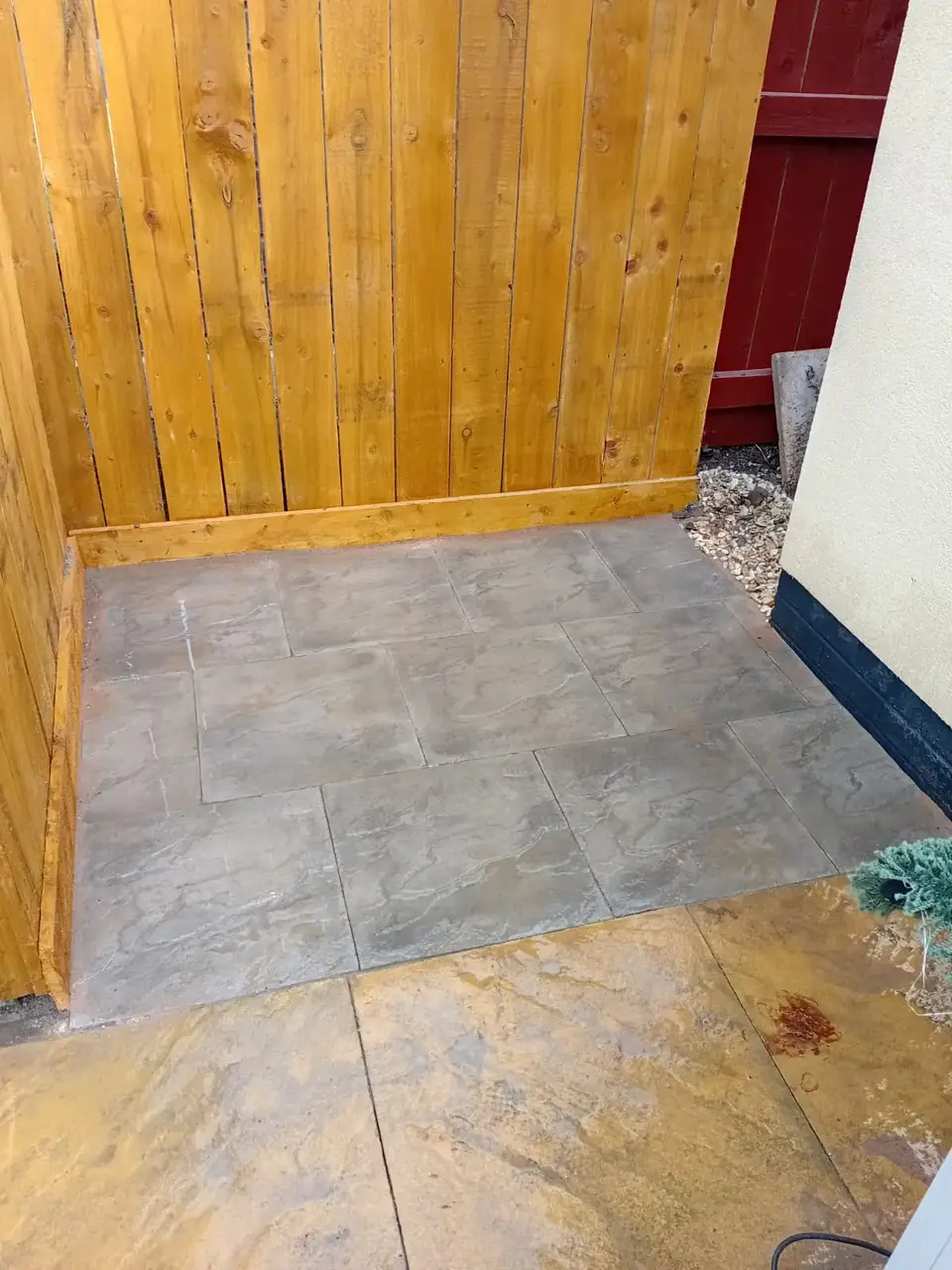
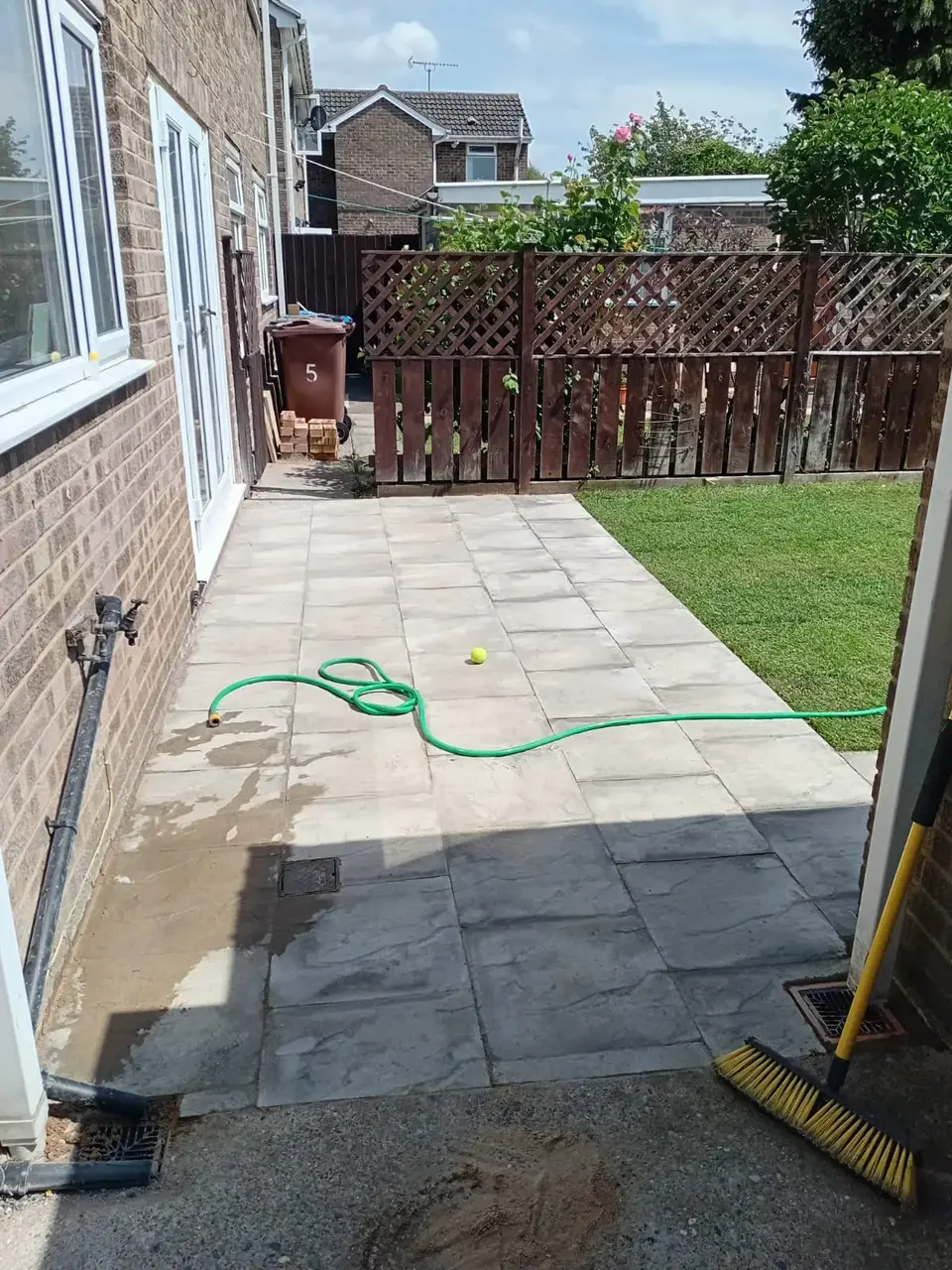
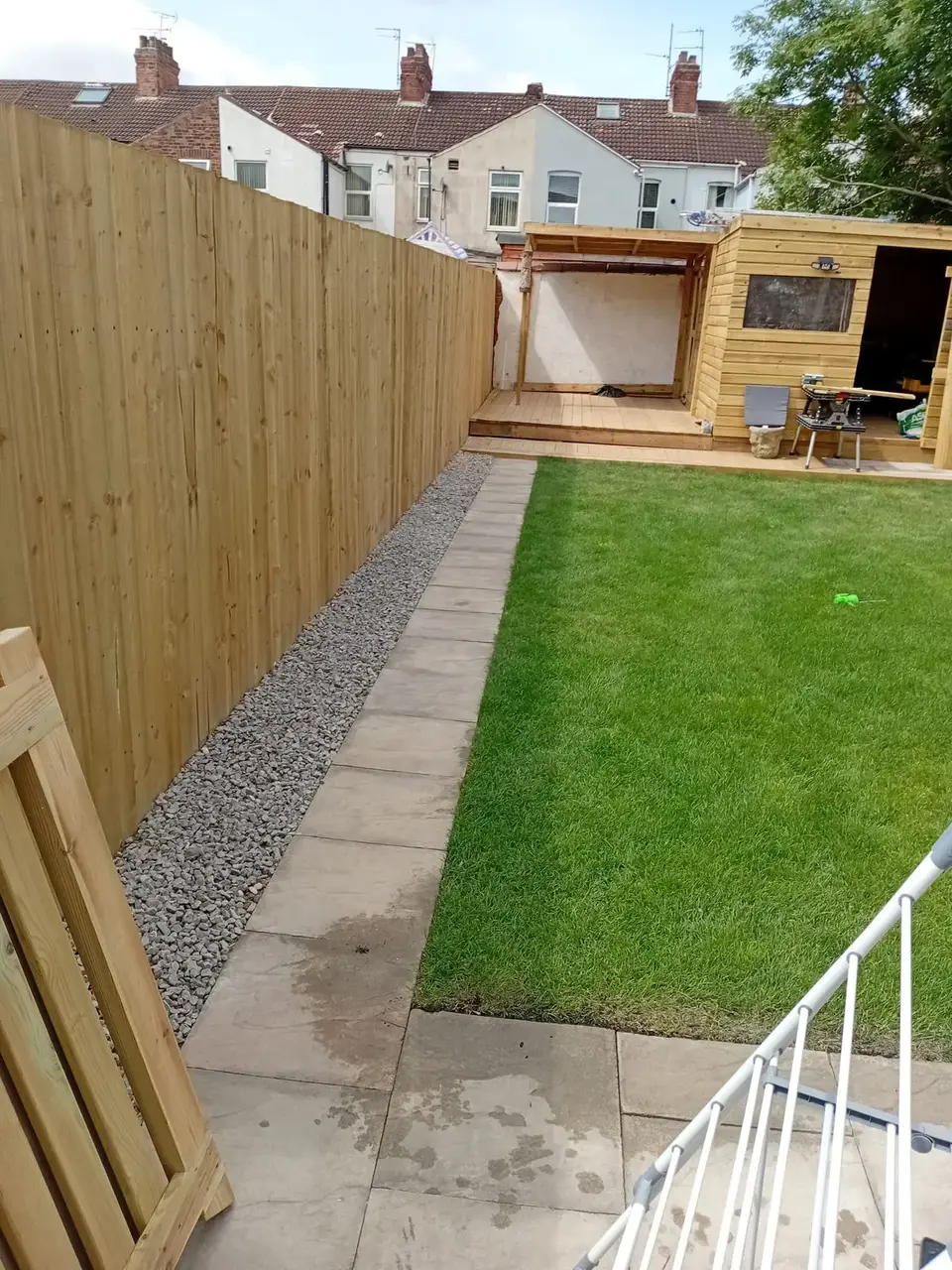
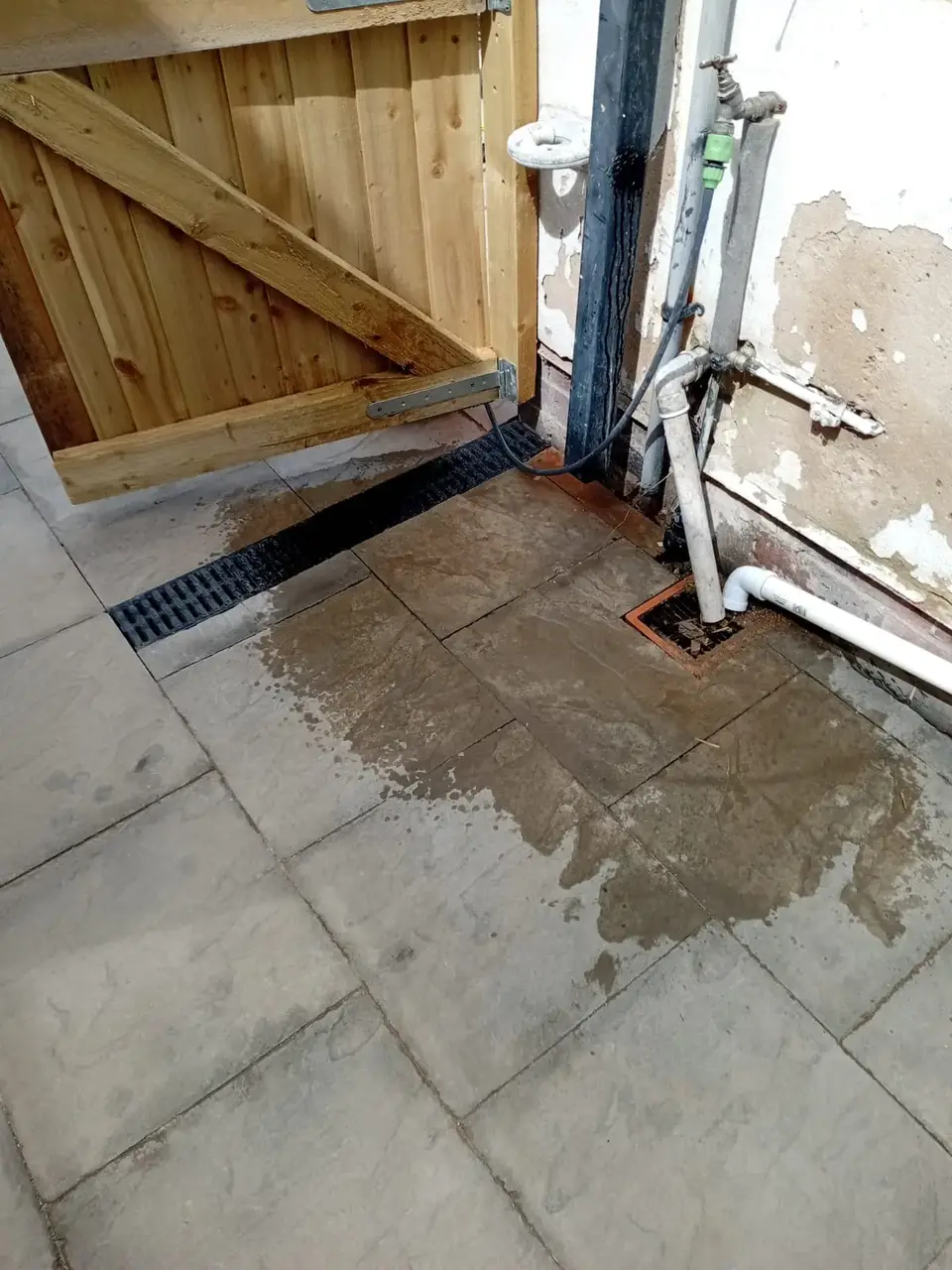
Recent indian sandstone paving work
What customers say
“Fantastic team from start to finish very professional gave great advice”
Google review
“Highly recommended!!! Does all my property refurbs when it comes to artificial grass and/or groundwork’s. 100%”
Google review
“I found Pave It to be very good and their work is absolutely fantastic. I would definitely recommend them to all my family and friends. They are so efficient in all they do.”
Google review
Indian Sandstone Paving questions
How much does Indian sandstone paving cost in Hull?
It depends on the stone, finish, area, ground and access. Our guide is from £110 per m², and we give a fixed written price after a free site visit.
Does Indian sandstone fade or stain?
Colours can mellow a little in strong sun, and because the stone is porous it can mark if oil, wine or leaf tannins sit on it. Sealing reduces this, and we can advise on a suitable sealer.
Do I need to seal Indian sandstone?
It is not compulsory, but we recommend it. A good sealer makes the surface easier to clean and slows moss in shaded parts of the garden. How often to reseal: Suitable compacted sub-base, full mortar bed, consistent jointing and falls away from property. Select thickness/detail for intended use; natural stone varies in colour and texture..
Is Indian sandstone slippery?
A riven (textured) surface gives decent grip, but any outdoor paving can become slippery when covered in algae. Sawn faces are smoother, so ask for slip-resistance test data. Regular cleaning keeps it safe underfoot.
How long does an Indian sandstone patio take?
Size, pattern and the ground all affect the time.
What is the difference between riven and sawn sandstone?
Riven is split along the natural layers, so the face is textured and varies. Sawn is machine-cut, flatter and more uniform, with a more contemporary look. Riven usually grips better when wet.
Should I choose sandstone or porcelain?
Choose sandstone for natural variation and character, and porcelain for a uniform, low-maintenance finish. We are happy to show you both and explain the trade-offs.
How do I clean moss and algae off sandstone?
Brush off loose growth and wash with water and a soft brush or a suitable cleaner. Take care with pressure washers, which can scar the face and wash out joints. Check any product is safe for natural stone first.
How we work
Every job follows the same eight stages, so you know what happens next.
Enquiry
You call, message us on WhatsApp or send the quote form. We note what you want and arrange a visit.
Site visit and measure
We come to your property, look at access, levels and drainage, and measure up. This is free.
Written fixed quote
You receive a written fixed quote that sets out the work, so you can compare it with confidence.
Groundwork plan
We agree the dig depth, base, edging and where the water will go before any work starts.
Dig-out and base
We excavate, remove spoil and build the sub-base in compacted layers, because the base decides how long the surface lasts.
Laying
We lay your chosen surface to the agreed levels and falls, cutting neatly at edges and drains.
Finishing and sealing
We fill and brush joints, apply sealing where the material calls for it, and tidy the edges.
Handover and aftercare
We walk you round the finished job and explain how to look after it.
Before and after
Drag the handle to compare the ground before we started with the finished job.
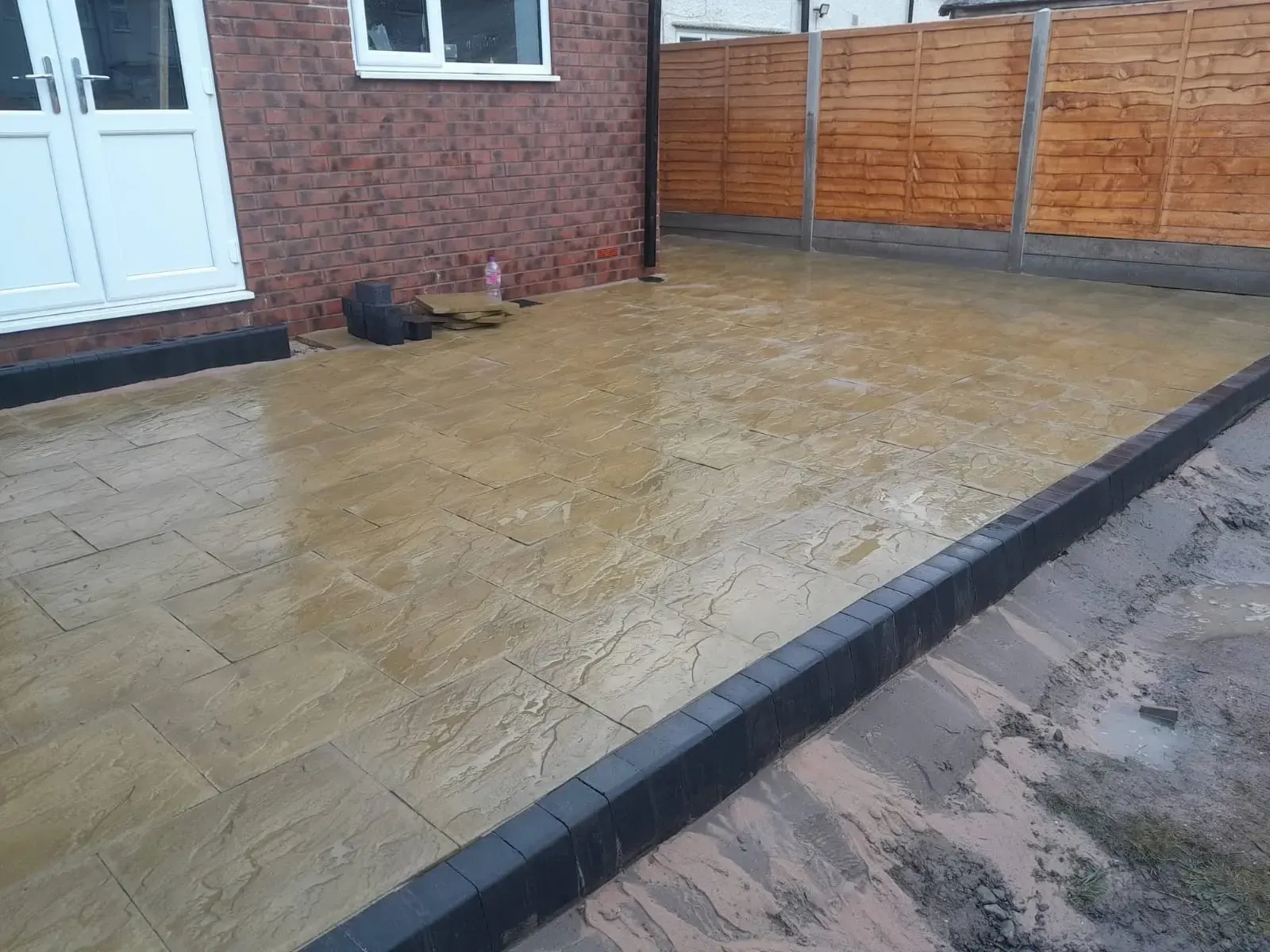
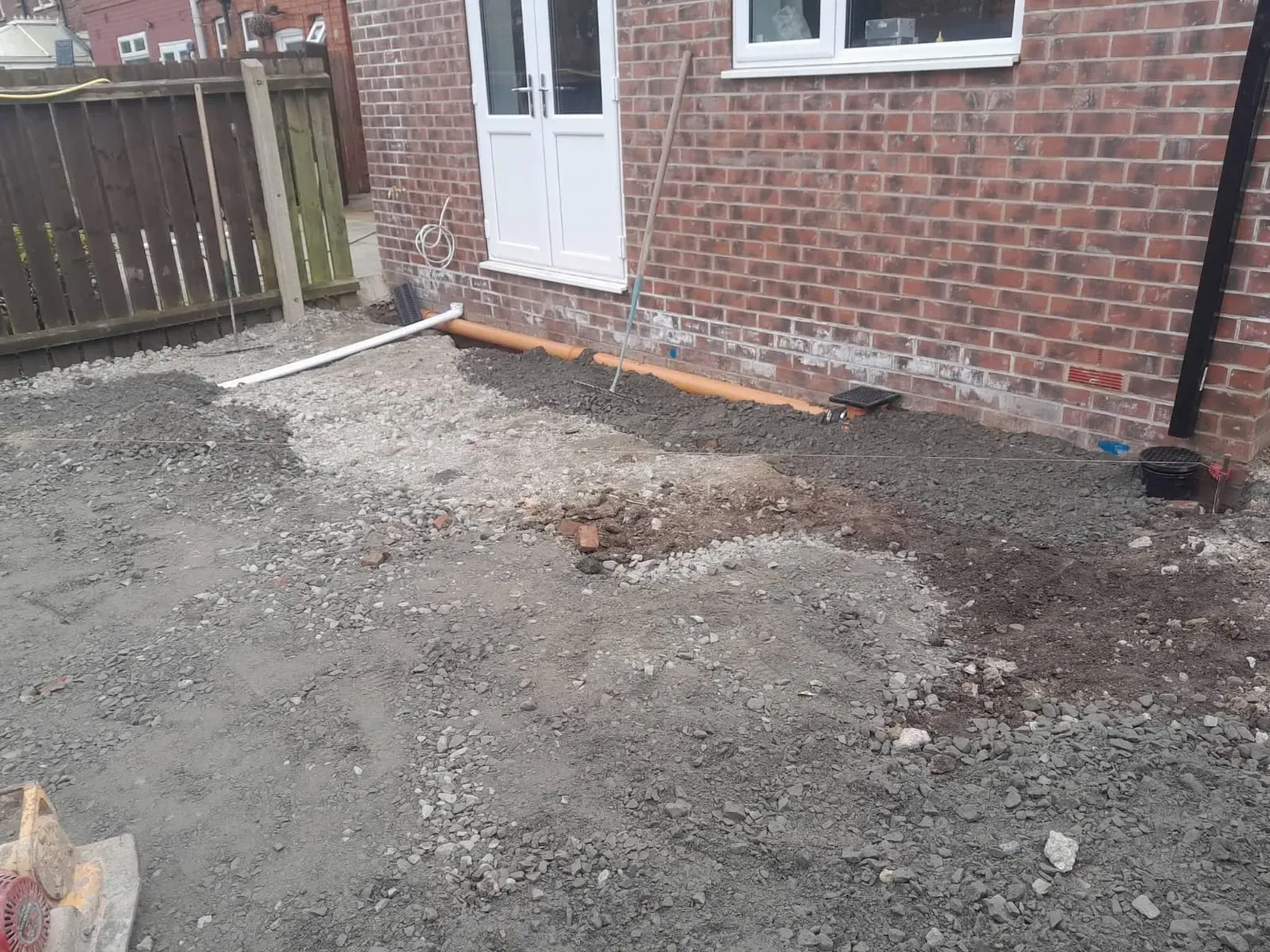 BeforeAfter
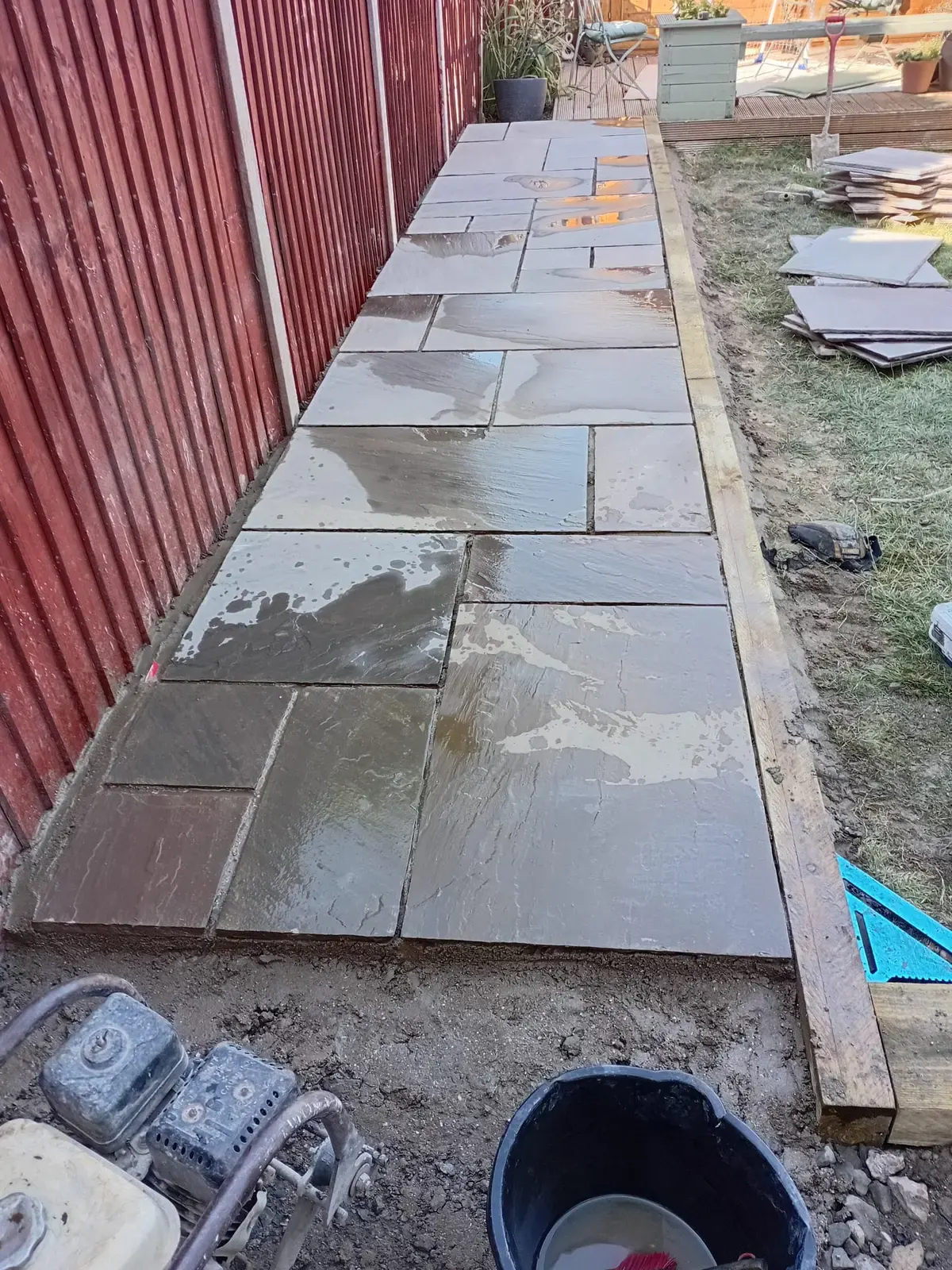
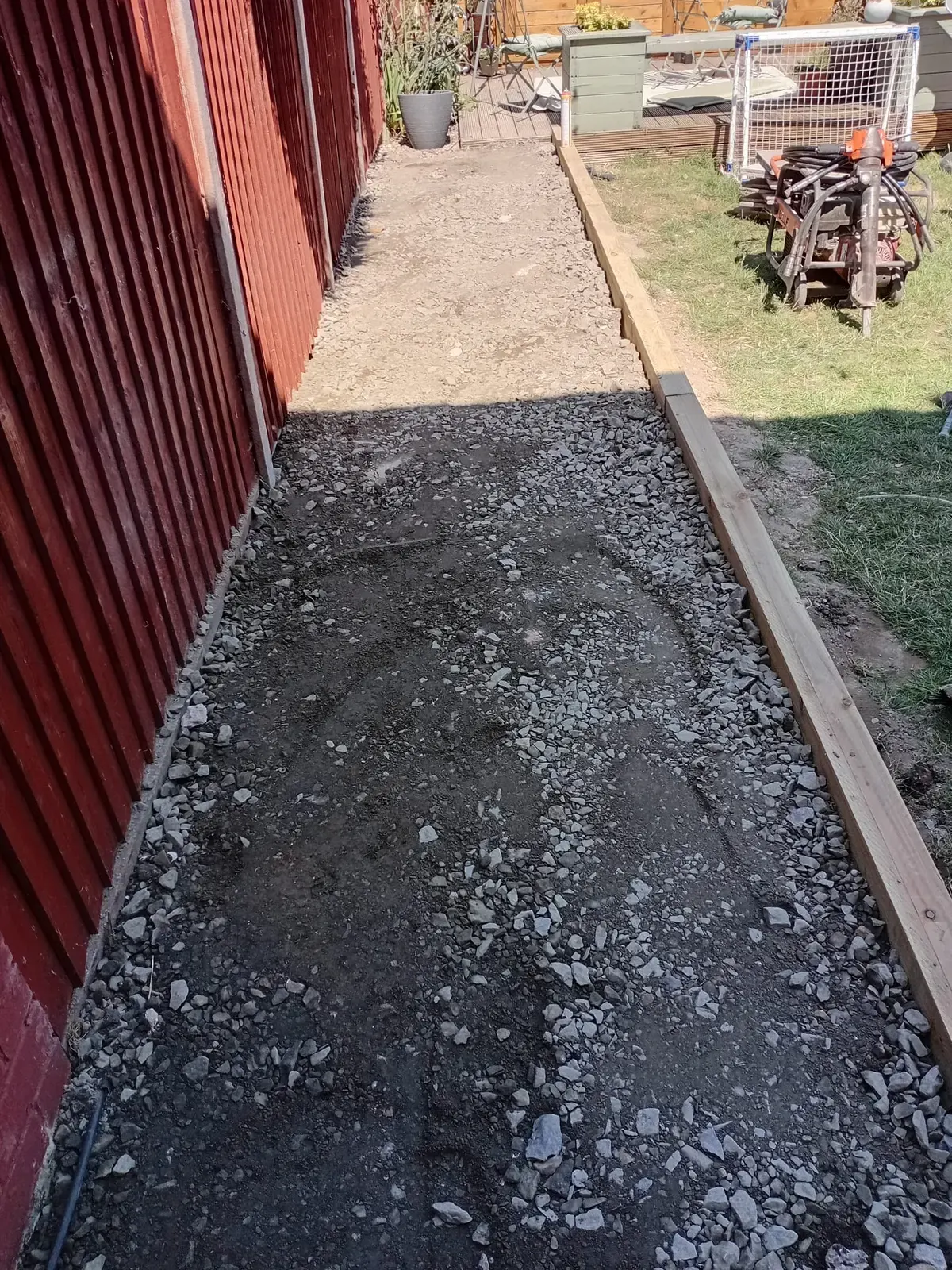 BeforeAfter
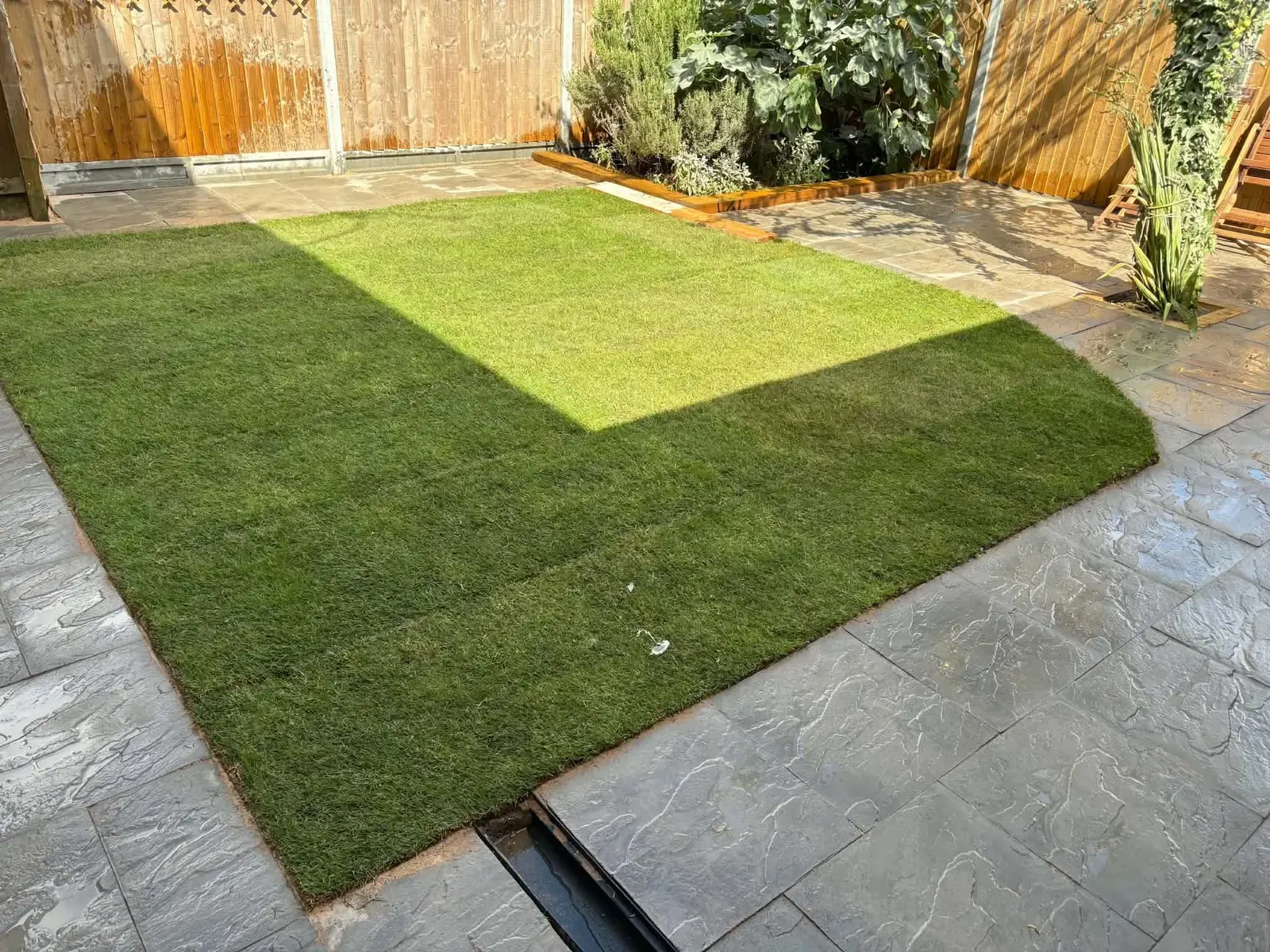
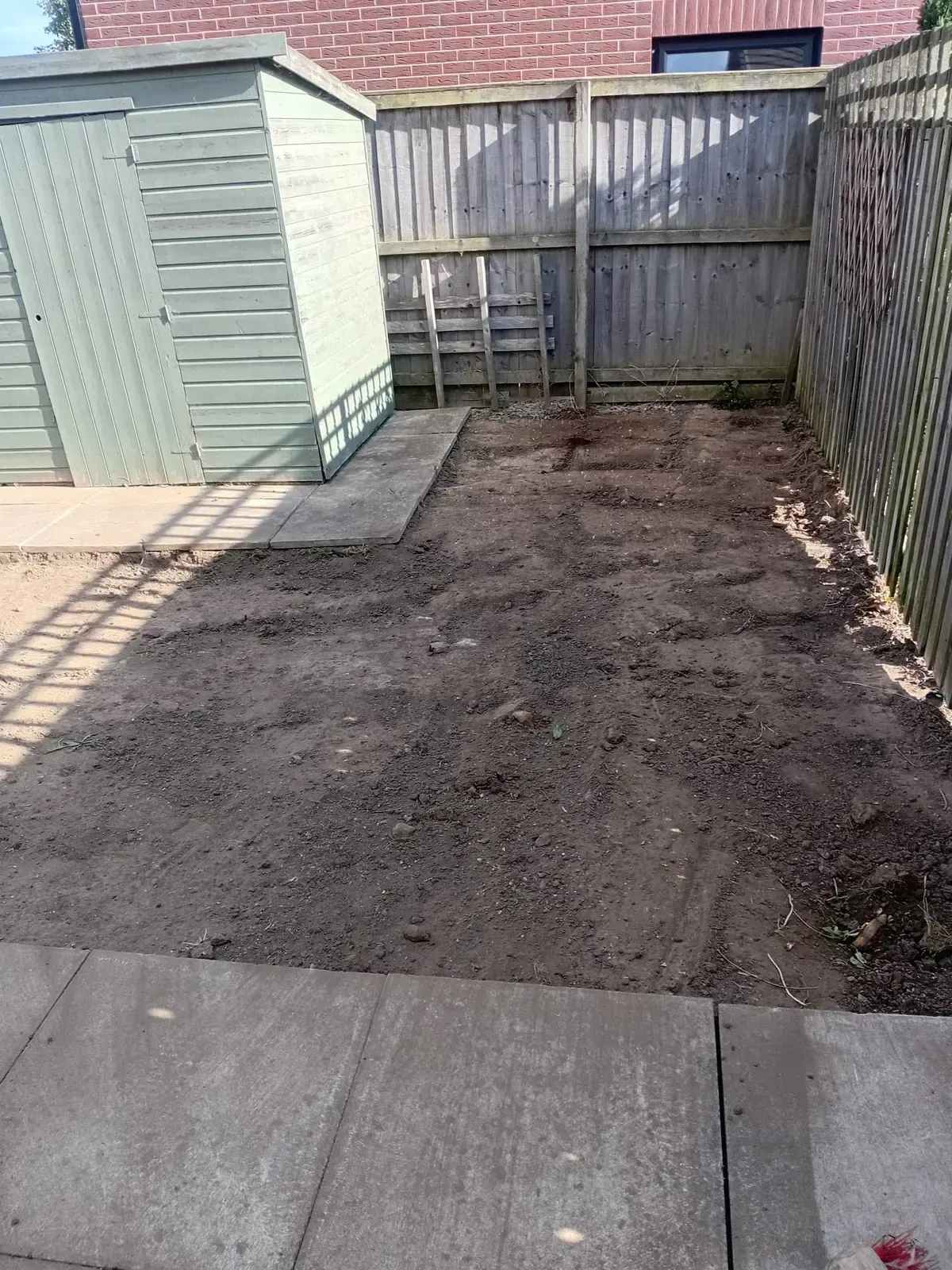 BeforeAfter
Ready for a free quote?
Tell us about the job. We will visit, measure up and give you a written fixed quote.