
Local paving and groundwork
Concrete Driveways and Paths in Hull
Plain, hard-wearing poured concrete with the base, mesh, joints and falls planned before the first pour.
Get your free quote
No obligation. Tell us where to reach you and we will be in touch.
Is concrete driveways and paths right for me?
A concrete driveway or path is a poured slab on a compacted stone base, usually with steel mesh inside and joints cut or formed to control cracking. It is the plainest of the hard surfaces: a single, solid layer that spreads load widely and needs little upkeep once cured.
It is also unforgiving. Concrete cannot be lifted and relaid, so what is below the slab, how it is finished and how it is cured decide how it ages. We lay plain concrete driveways and paths.
Who concrete driveways and paths suits, and who it does not
It suits you if you want a long-lasting, low-fuss surface for a drive, a path to a garage or a base for a heavy vehicle, and you are happy with a plain look.
It may not suit you if you want colour and pattern without sealing, or an easy patch repair. For a patterned look, see imprinted concrete; for a surface that can be lifted in sections, block paving is the better bet; for a quick, flexible black drive, tarmac.
Our concrete driveways and paths build process
Our process, in order:
- Humber Ground Assessment. At the free visit we probe the ground, check levels, access and services.
- Drainage-First Plan. We set falls and the outlet for the water before digging.
- Deep-Base Build. We dig out and compact a stone sub-base in layers. Depth and stone: Design thickness, reinforcement, sub-base and joints for ground conditions and vehicle loading; form falls away from buildings and do not direct runoff to highway..
- Formwork. Timber or steel edges set the levels and falls and shape the slab. Bays and joint lines are marked out.
- Mesh. Reinforcement goes on spacers so it sits within the slab, with laps and cover set. Design thickness, reinforcement, sub-base and joints for ground conditions and vehicle loading; form falls away from buildings and do not direct runoff to highway.
- Pour, compact and finish. Concrete is placed, compacted, screeded and floated, then given its finish.
- Joints and curing. Joints are formed or cut at the right time, and the slab is protected while it cures.
- Clean-Site Promise and Photo-Proof Handover. We clear spoil as we go, sweep up at the end of each working day and photograph the key stages before they are covered, then send you the photos at handover.
Concrete Driveways and Paths materials, finishes and colours
Slab thickness. Footpaths need less than drives, and drives for vans or lorries need more than for cars. As a general industry norm, domestic drives are in the region of 100mm, but this is not our specification. Design thickness, reinforcement, sub-base and joints for ground conditions and vehicle loading; form falls away from buildings and do not direct runoff to highway.
Reinforcement. Mesh holds cracks tight and helps the slab behave as one. It does not stop cracking, and on a path it is sometimes left out. Keep it off the ground; mesh lying on the base does nothing. Ready-mix concrete specified for site and use from local batching plant.
Joints. Control joints are cut or formed across the slab to make cracks happen in a straight line. As a general principle, bays are kept roughly square and not too long. Expansion joints, a compressible strip, separate the slab from house walls, steps and fixed objects. Design thickness, reinforcement, sub-base and joints for ground conditions and vehicle loading; form falls away from buildings and do not direct runoff to highway.
Finishes. A broom finish is a light ridged texture that gives grip and hides marks. Exposed aggregate has the top cement paste washed away to show the stones, which looks good and grips well. A smooth, steel-trowelled finish is slippery when wet and not suitable outdoors.
Concrete mix. Outdoor concrete should be a suitable designed mix for freezing and thawing, sometimes with air-entrainment. Ready-mix concrete specified for site and use from local batching plant.
Drainage, planning and building regulations
Falls. Concrete does not let water through, so the surface must fall to a lawn, border, channel or soakaway, and away from the house. A gentle but definite slope across the slab avoids ponding. Design thickness, reinforcement, sub-base and joints for ground conditions and vehicle loading; form falls away from buildings and do not direct runoff to highway.
Levels at the house. The surface should finish below the damp-proof course, with a step or gap where the fall allows, so that rain does not run towards doors or air bricks.
Planning. Paving more than five square metres of front garden with a non-permeable surface that drains to the road needs planning permission, unless water flows to a lawn, border or soakaway. A dropped kerb needs permission from Hull City Council or East Riding of Yorkshire Council in Beverley and Hessle.
Timescales and aftercare
Our current guide is typically 3 to 6 working days for preparation and placing, with the pour itself usually a single day. Concrete is not laid in heavy rain, hard frost or extreme heat.
Curing. Concrete gains strength by chemical reaction, not by drying, so it needs to stay damp and protected, with covers or a curing compound in hot or windy weather and frost protection in cold. Too-fast drying causes surface cracks and a dusty top.
Aftercare. Keep vehicles off for the period we give, and avoid de-icing salts in the first winters. As a general industry guide, full strength takes about 28 days. Guarantee: covered by our guarantee, with the terms set out in your written quote.
Concrete Driveways and Paths costs in Hull
We quote each job individually and give a fixed written price after the free visit. Guide prices:
Concrete driveway, laid: From £75 per m².
What moves the price: area, thickness, mesh, finish, access and whether a pump is needed.
What is included: the preparation, materials, labour and tidy-up listed in your written quote.
Concrete or tarmac. Tarmac is flexible, quick to lay and easier to patch, but needs resurfacing over time. Concrete is rigid, stays hard in heat and lasts a long time, but cracks are harder to hide and joints show. Concrete often costs the same or more: our guide prices start from £75 per m² for concrete and £65 per m² for tarmac.
Common problems and contractor mistakes
- Frost and salt damage. Water in the surface freezes and flakes the top off, called scaling, and de-icing salts make it worse. The cure is a suitable mix, good finishing and no salt early on.
- Wide or random cracks from a weak base, no joints, a thin slab or poor curing.
- Mesh on the ground, so it does no work.
- Ponding from too little fall.
- Added water to make the mix easier to place, which weakens the surface.
- Overworking the surface, bringing up a weak, dusty film.
- Poor edges that crumble where vehicles overrun them.
- Cutting joints too late, after the slab has already cracked.
Concrete Driveways and Paths in Hull: local ground and weather
Hull’s clay subsoil moves with wet and dry spells, so a concrete slab needs a well-compacted base and planned joints. A high water table or soft spots should be found at the visit, not after the pour. Salt in winter air and on roads makes the no-salt advice more important here. Ready-mixed concrete needs lorry access, so narrow terraced frontages and parking restrictions are checked in advance, and barrowing or a pump may be needed. We work across Hull, Beverley and Hessle.
Recent concrete driveways and paths work


What customers say
“Fantastic team from start to finish very professional gave great advice”
Google review
“Highly recommended!!! Does all my property refurbs when it comes to artificial grass and/or groundwork’s. 100%”
Google review
“I found Pave It to be very good and their work is absolutely fantastic. I would definitely recommend them to all my family and friends. They are so efficient in all they do.”
Google review
Concrete Driveways and Paths questions
How thick should a concrete driveway be?
For cars, domestic guidance is commonly around 100mm, with more for heavier vehicles. That is a general norm, not our specification. Design thickness, reinforcement, sub-base and joints for ground conditions and vehicle loading; form falls away from buildings and do not direct runoff to highway.
Does a concrete driveway need reinforcement?
Mesh is often used to hold hairline cracks tight and help the slab act as one, but it does not stop cracking. It must sit in the middle of the slab on spacers, not on the ground. Design thickness, reinforcement, sub-base and joints for ground conditions and vehicle loading; form falls away from buildings and do not direct runoff to highway.
Why do concrete drives have joints?
Concrete shrinks as it dries and moves with temperature. Control joints give it a straight, planned place to crack, and expansion joints allow movement against walls and slabs.
Will my concrete driveway crack?
Some fine cracking is normal. Wide, uneven or spreading cracks usually mean a weak base, missing joints, a thin slab or poor curing.
How long before I can drive on new concrete?
Foot traffic is possible sooner, but cars should wait. As a general industry guide, around seven days for light use and about four weeks for full strength.
Can I use de-icing salt on concrete?
Avoid it, especially in the first winters. Salt and repeated freezing can scale the surface. Sand or grit is safer. Air-entrained concrete resists this better.
Is concrete cheaper than tarmac?
Often similar or higher, depending on thickness and finish. Concrete lasts well and needs less resurfacing, but cracks are harder to repair neatly. On our guide prices, concrete starts from £75 per m² and tarmac from £65 per m².
Do I need planning permission for a concrete driveway?
Over five square metres of front garden draining to the road needs planning permission, because concrete is not permeable, unless water runs to a lawn, border or soakaway. A dropped kerb needs highway permission.
How we work
Every job follows the same eight stages, so you know what happens next.
Enquiry
You call, message us on WhatsApp or send the quote form. We note what you want and arrange a visit.
Site visit and measure
We come to your property, look at access, levels and drainage, and measure up. This is free.
Written fixed quote
You receive a written fixed quote that sets out the work, so you can compare it with confidence.
Groundwork plan
We agree the dig depth, base, edging and where the water will go before any work starts.
Dig-out and base
We excavate, remove spoil and build the sub-base in compacted layers, because the base decides how long the surface lasts.
Laying
We lay your chosen surface to the agreed levels and falls, cutting neatly at edges and drains.
Finishing and sealing
We fill and brush joints, apply sealing where the material calls for it, and tidy the edges.
Handover and aftercare
We walk you round the finished job and explain how to look after it.
Before and after
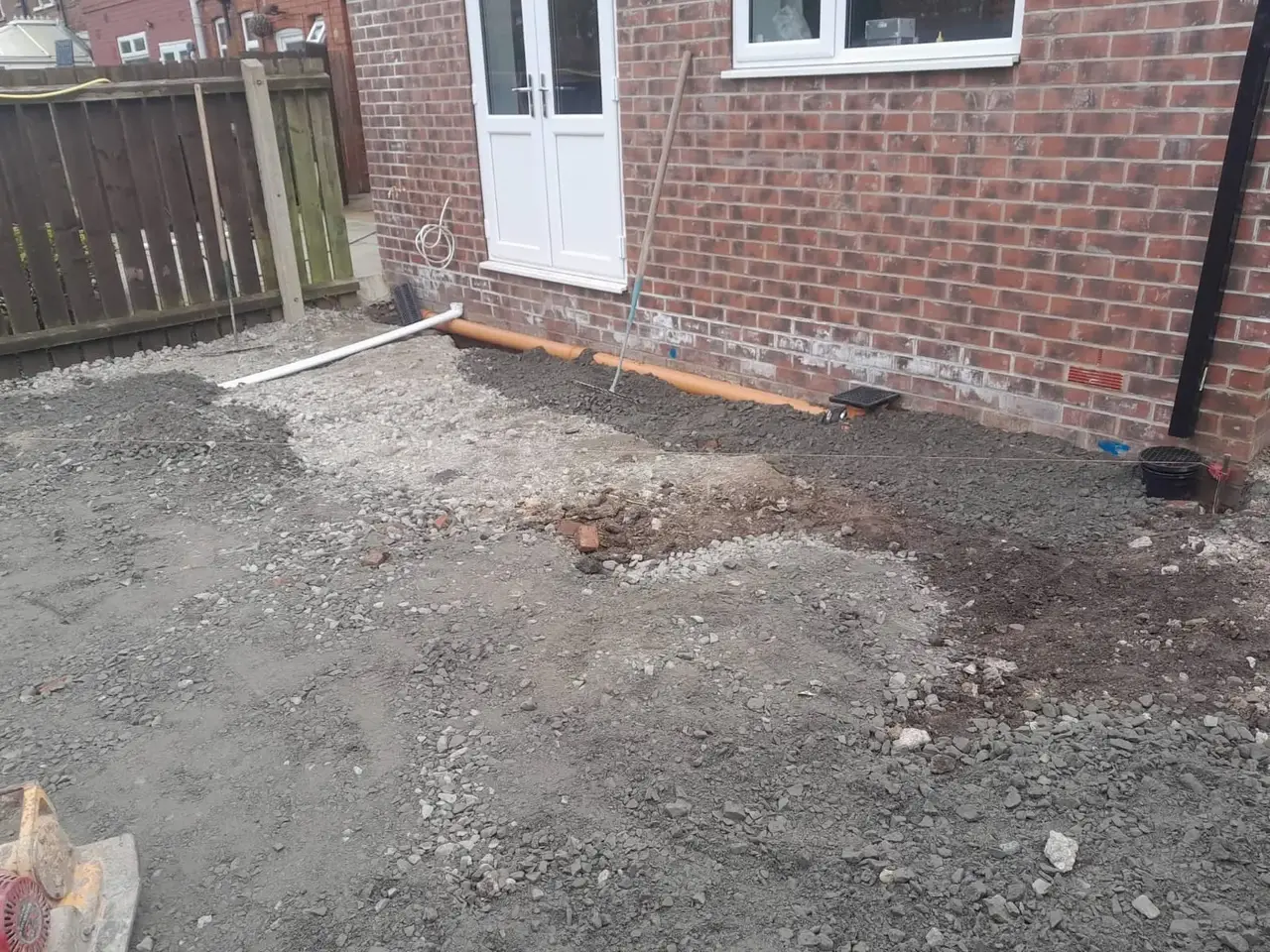
Drag the handle to compare the ground before we started with the finished job.
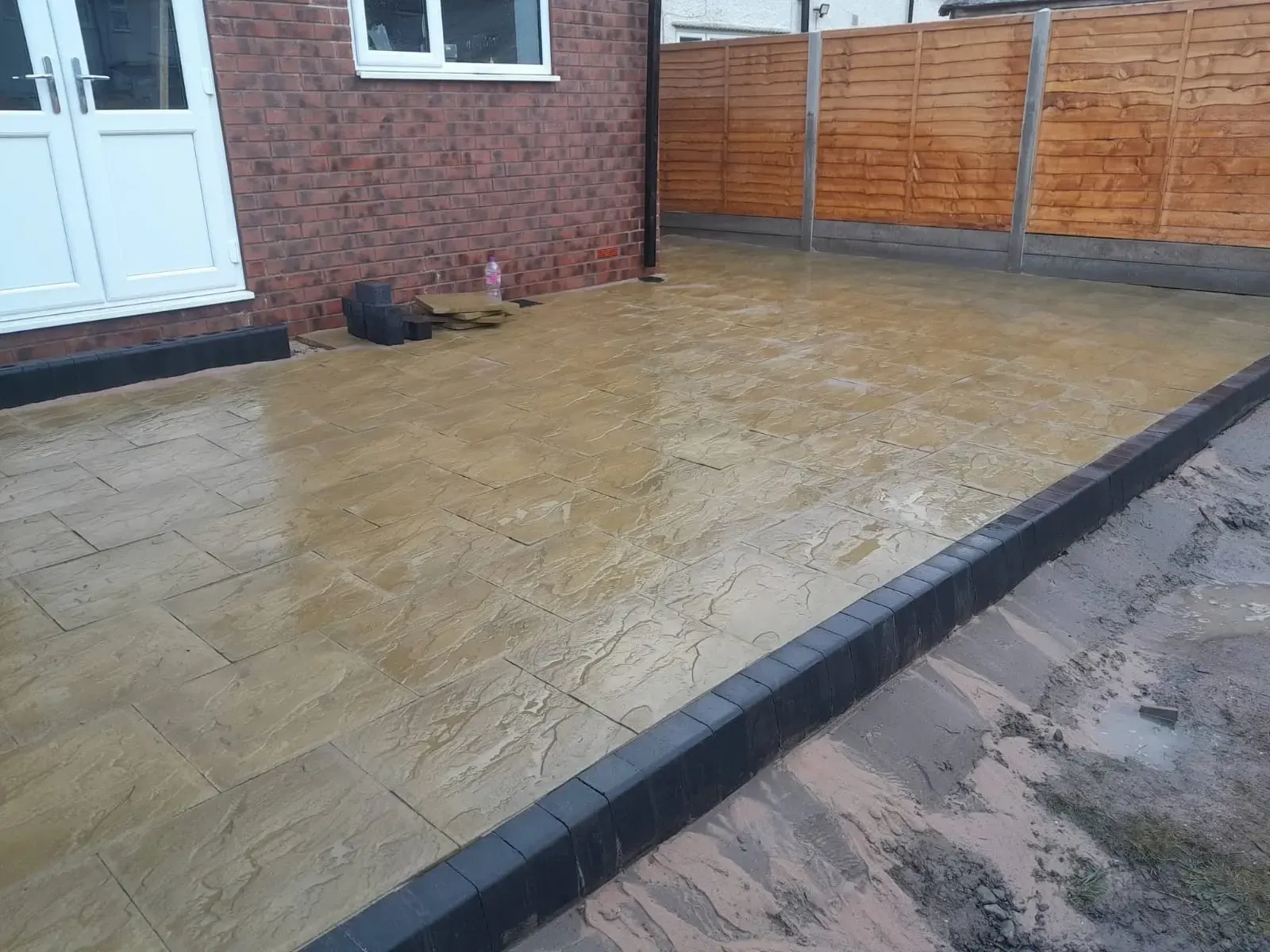
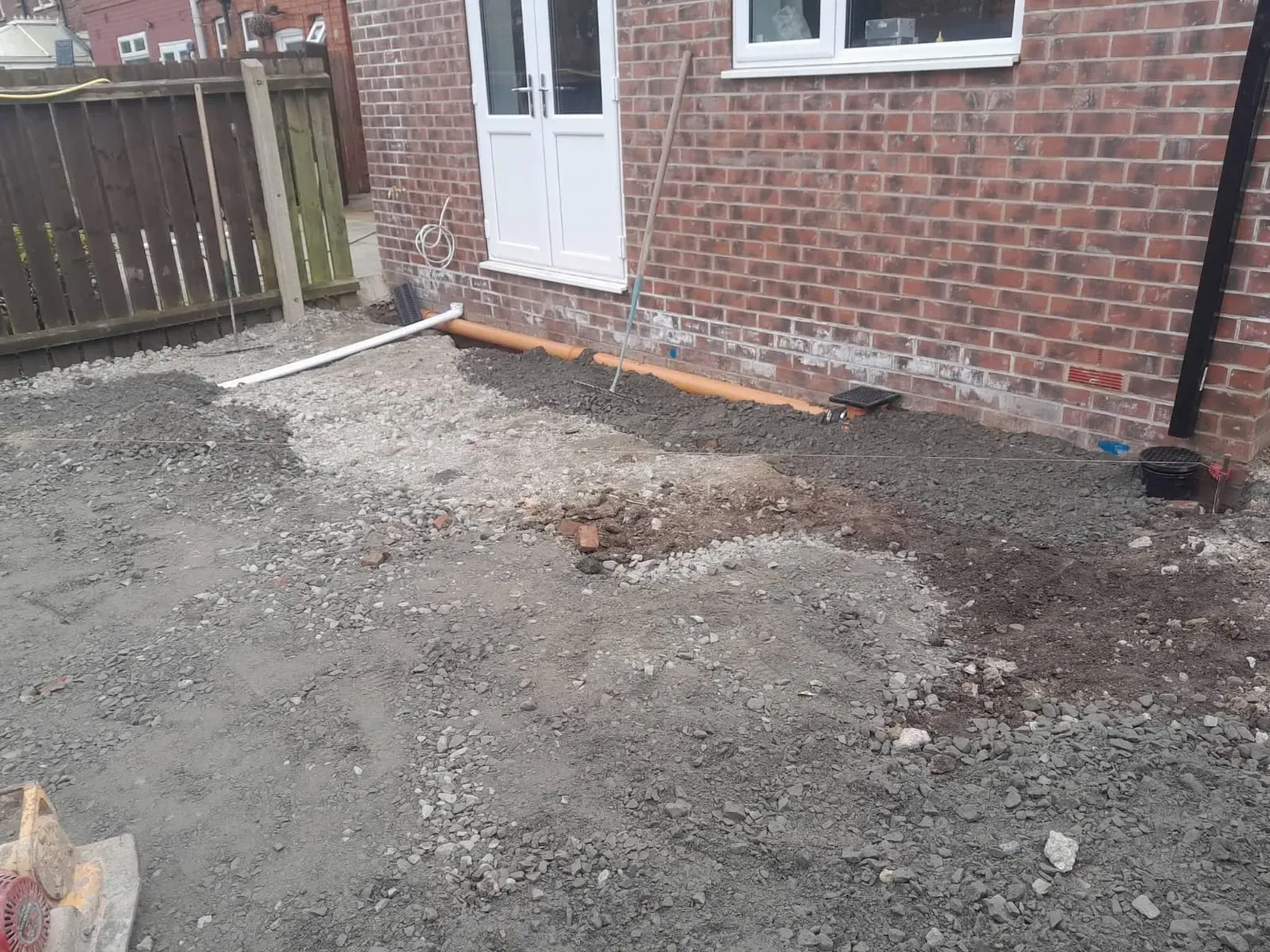 BeforeAfter
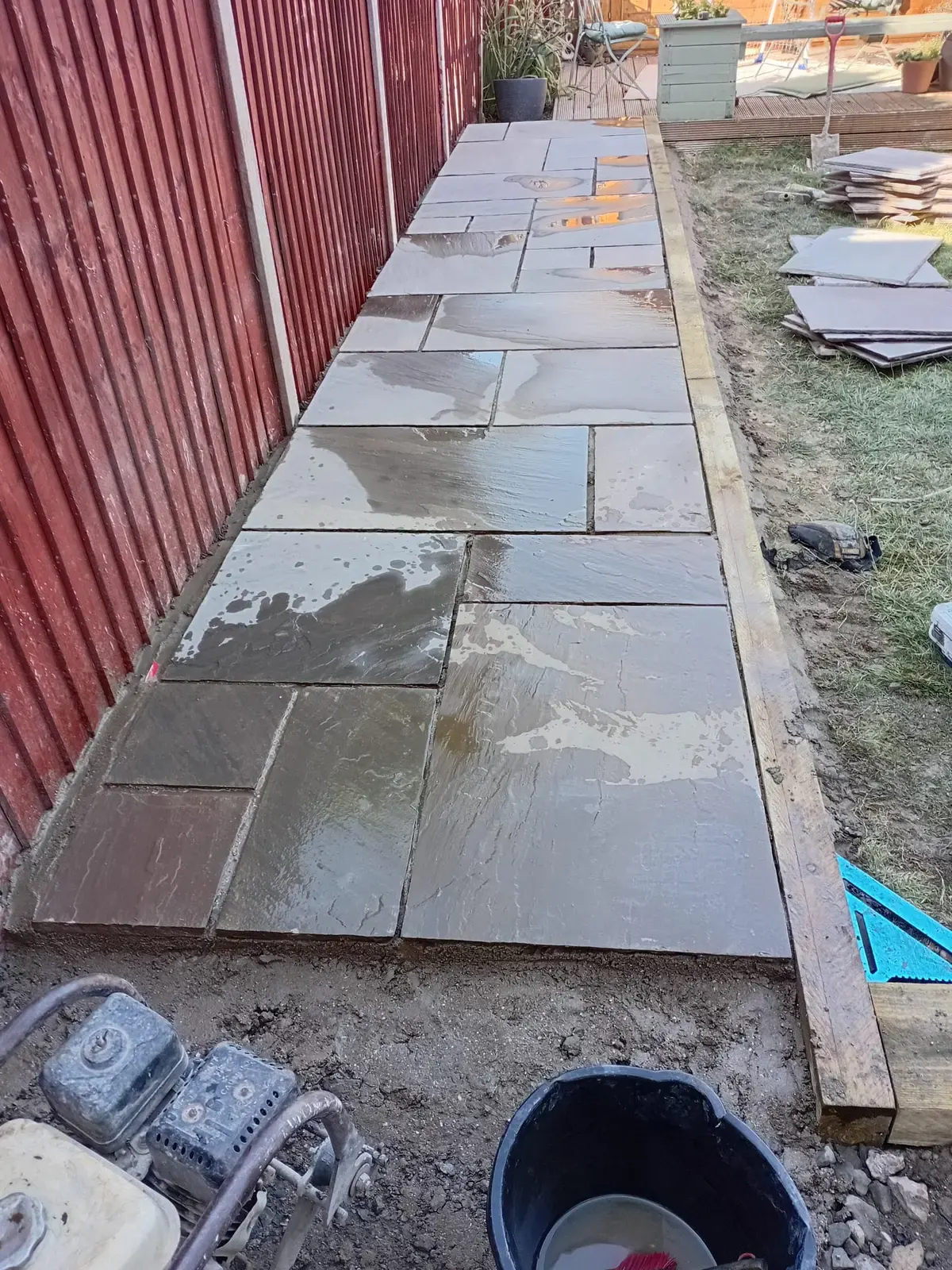
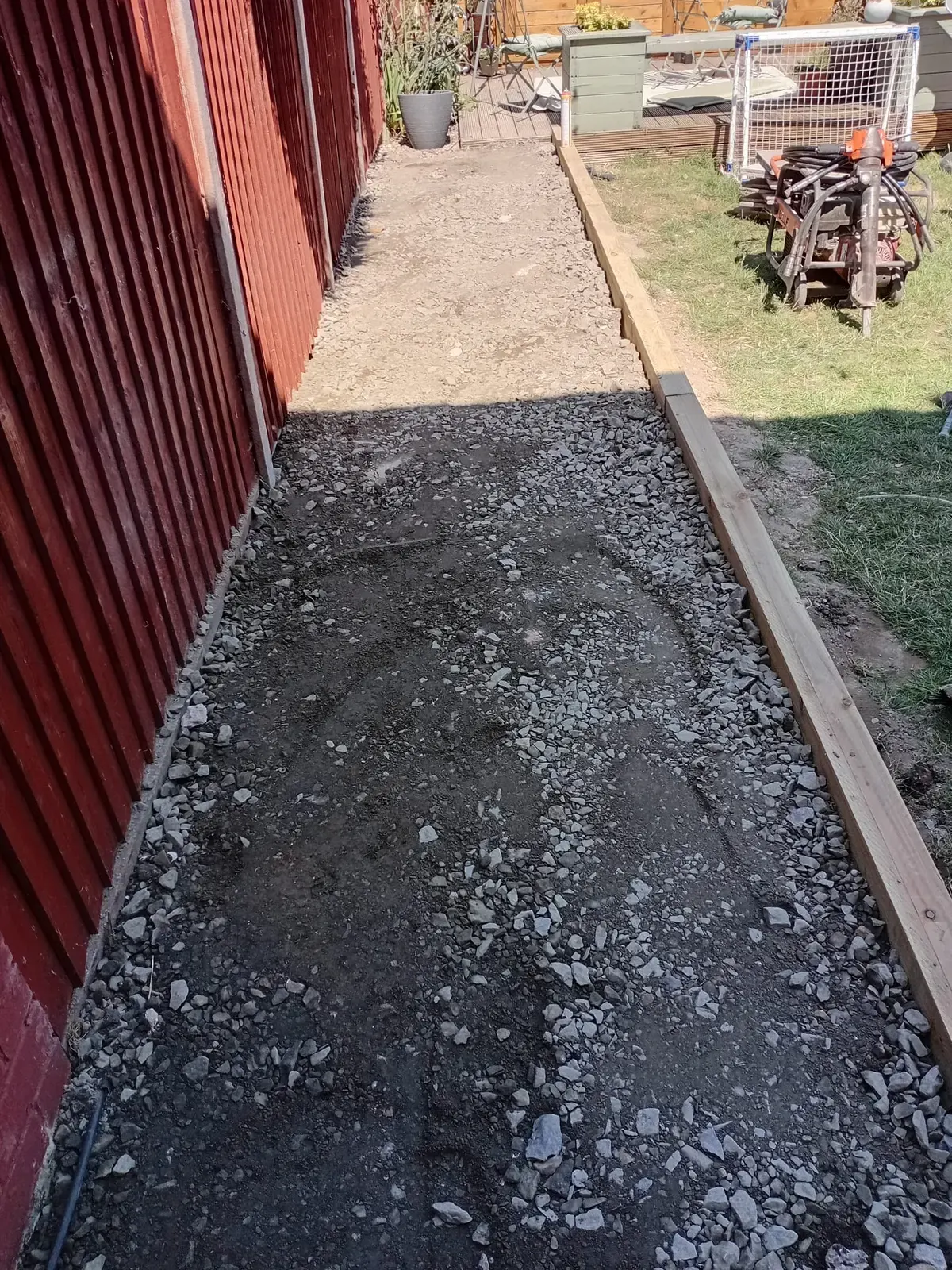 BeforeAfter
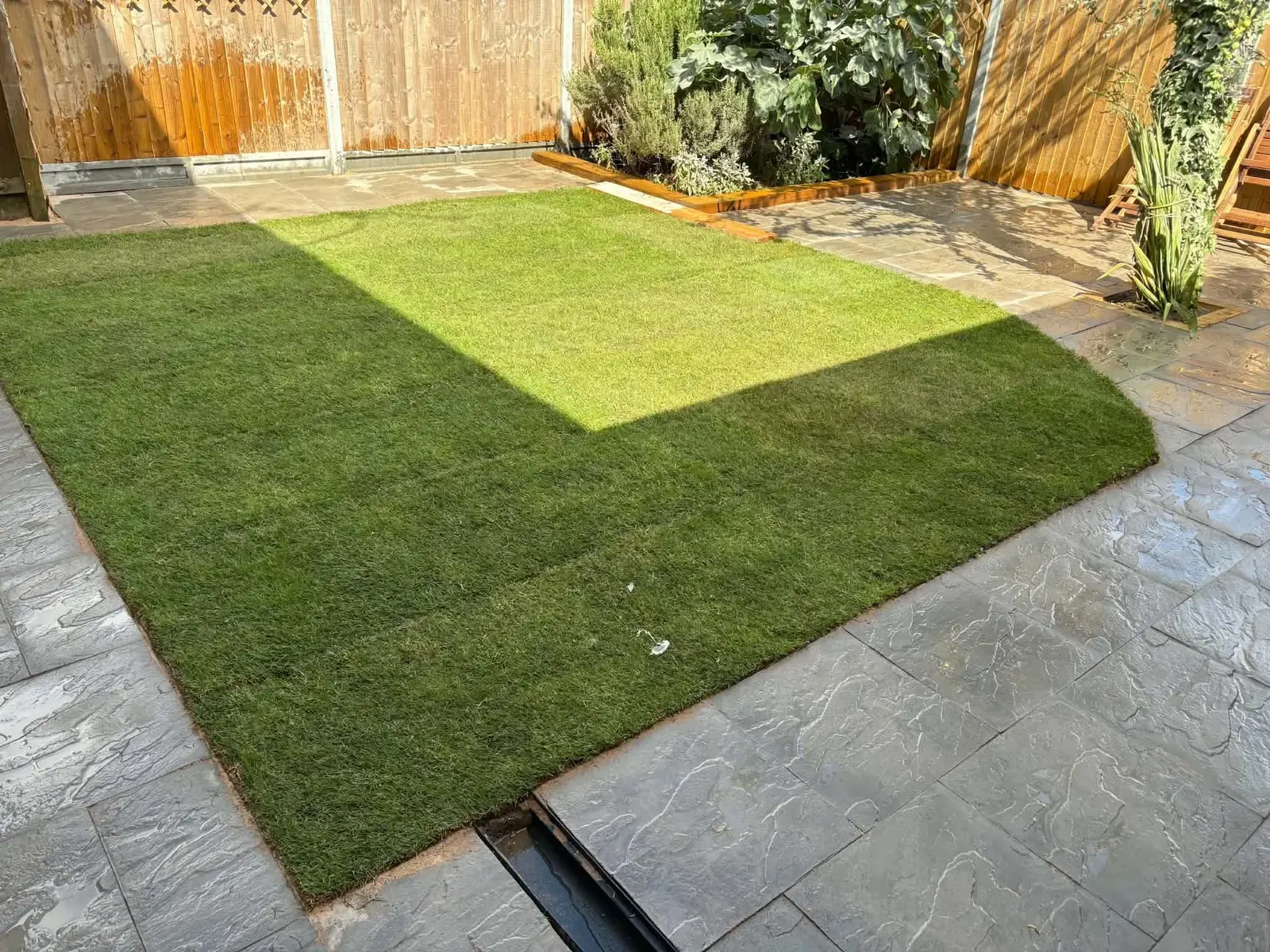
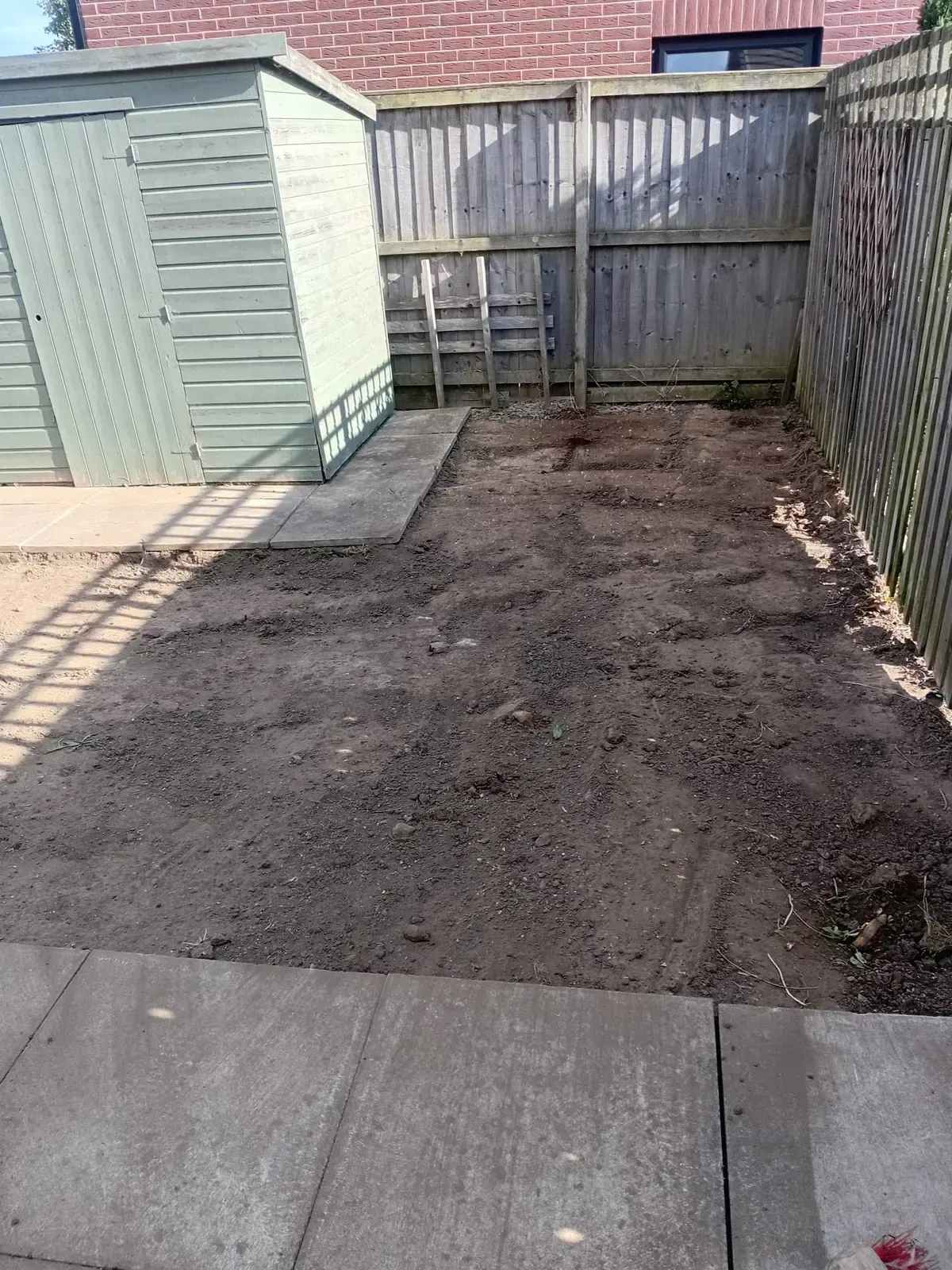 BeforeAfter
Ready for a free quote?
Tell us about the job. We will visit, measure up and give you a written fixed quote.