
Local paving and groundwork
Site Clearance and Groundwork in Hull
Clearing, digging out and levelling the ground properly, so whatever goes on top is built on something sound.
Get your free quote
No obligation. Tell us where to reach you and we will be in touch.
Is site clearance and groundwork right for me?
Before a new drive, patio, path or lawn goes down, the ground has to be cleared, dug to the right depth and brought to the right levels. This is groundwork, and it decides how well everything above it lasts. It is also where the cost and the unseen problems are, such as soft ground, old foundations and buried services.
This page explains what clearance and excavation involve, how waste has to be handled and how the work ties into our site visit. Every job is quoted individually after a free site visit. We carry out stand-alone clearance and excavation, as well as groundwork for a new surface.
Who site clearance and groundwork suits, and who it does not
It suits you if you are preparing for a new surface or lawn, clearing an overgrown or cluttered garden, or need an old drive, patio or base dug out and taken away.
It may not suit you if the job needs a licensed specialist, such as asbestos, contaminated soil or tree surgery near protected trees. We will say so at the visit. Once the ground is ready we can lay block paving, tarmac, concrete, gravel, patios or turf.
Our site clearance and groundwork build process
Our process, in order:
- Humber Ground Assessment. At the free visit we look at the existing surface, the levels, the soil and what is under it, access and anything that affects the dig. What we find sets the depth and the quote.
- Utilities and services check. We look for covers, meters, pipes and cables, ask for plans where they exist and agree where we dig by hand.
- Access and set-up. We agree where the machine, the lorry and the spoil go, and protect what must stay.
- Strip and clear. Old surfaces, turf, plants and rubbish are removed and sorted.
- Excavation. We dig to the formation level for the new surface, checking the ground at the bottom as we go. Depths: Agree dig depth and limits after checking levels and services; separate reusable clean material from waste. Use suitable plant and authorised disposal..
- Muck-away. Spoil and rubble go to permitted sites. Agree dig depth and limits after checking levels and services; separate reusable clean material from waste. Use suitable plant and authorised disposal.
- Levels. We set levels and falls with pegs, string lines or a laser, so the new surface drains the right way.
- Handover. The ground is ready for the next stage, and we go through what has been found and agreed.
The Humber Ground Assessment is our method for deciding what the ground needs.
Site Clearance and Groundwork materials, finishes and colours
Waste types. Soil, hardcore, concrete, green waste and mixed rubbish can each need different handling and sites. Mixed loads cost more to dispose of.
Waste carrier rules. In England, anyone who carries waste as part of a business must be registered as a waste carrier with the Environment Agency, and you have a duty of care to check that whoever takes your waste is registered. Ask to see the registration number. We are registered with the Environment Agency as a waste carrier, so spoil and rubble leave your site lawfully.
Paperwork. A waste transfer note or similar record shows where waste goes. Plant and disposal chosen for access, volume and waste type, with skips, carriers or specialists arranged in the job plan.
Asbestos. Suspected asbestos, such as old garage roofs and some old boards, must not be broken up. It needs specialist handling. We will stop and say so.
Reusable material. Some clean soil and hardcore can be reused on site, which saves disposal. We separate reusable clean material from waste.
Drainage, planning and building regulations
Services and utilities. Water, gas, electricity, telecoms and drains can run through a front or back garden at shallow depth. Utilities should be checked before a machine digs, and the Health and Safety Executive publishes guidance on avoiding underground services.
Levels. New surfaces must finish below the damp-proof course and fall away from the house. Levels are set during the dig, not afterwards.
Water. Digging can expose wet or soft ground. We plan for water leaving the site, and where the ground cannot take it we discuss options. See our drainage and permeable paving guide.
Permits and planning. A skip or lorry standing on the public highway usually needs a permit from the council. Work to a listed building, a protected tree or in a conservation area can need consent.
Timescales and aftercare
A small garden or drive can be cleared in a day or two, and a larger job takes longer. Our current guide is usually 1 to 3 working days for a small domestic area. Wet weather slows digging and can make ground soft.
After the dig. The ground should be covered or built on promptly, since an open excavation fills with water and softens. Guarantee: covered by our guarantee, with the terms set out in your written quote.
Site Clearance and Groundwork costs in Hull
We quote each job individually and give a fixed written price after the free visit. Guide prices:
Clearance of a small garden: From £35.
What moves the price: depth, area, waste type, access, machine size and distance to the disposal site.
What is included: the preparation, materials, labour and tidy-up listed in your written quote.
Common problems and contractor mistakes
- Unregistered carriers. Waste fly-tipped under your name, because you did not check.
- Digging blind. Striking a pipe or cable that nobody checked for.
- Not digging deep enough. A new surface goes on soft ground or old topsoil.
- Levels set after the dig. The finished surface falls towards the house.
- Mixed waste. Soil mixed with rubbish costs more to dispose of.
- Poor access planning. Lorries cannot reach the site, and the job runs over.
Site Clearance and Groundwork in Hull: local ground and weather
Hull’s clay subsoil is heavy to dig and haul, and wet clay is slow to work, so weather and the volume of spoil affect both time and price. Low, flat ground can hold water in an open excavation. Older streets have narrow frontages and limited parking, so lorry access and any permit are planned in advance. We work across Hull, Beverley and Hessle.
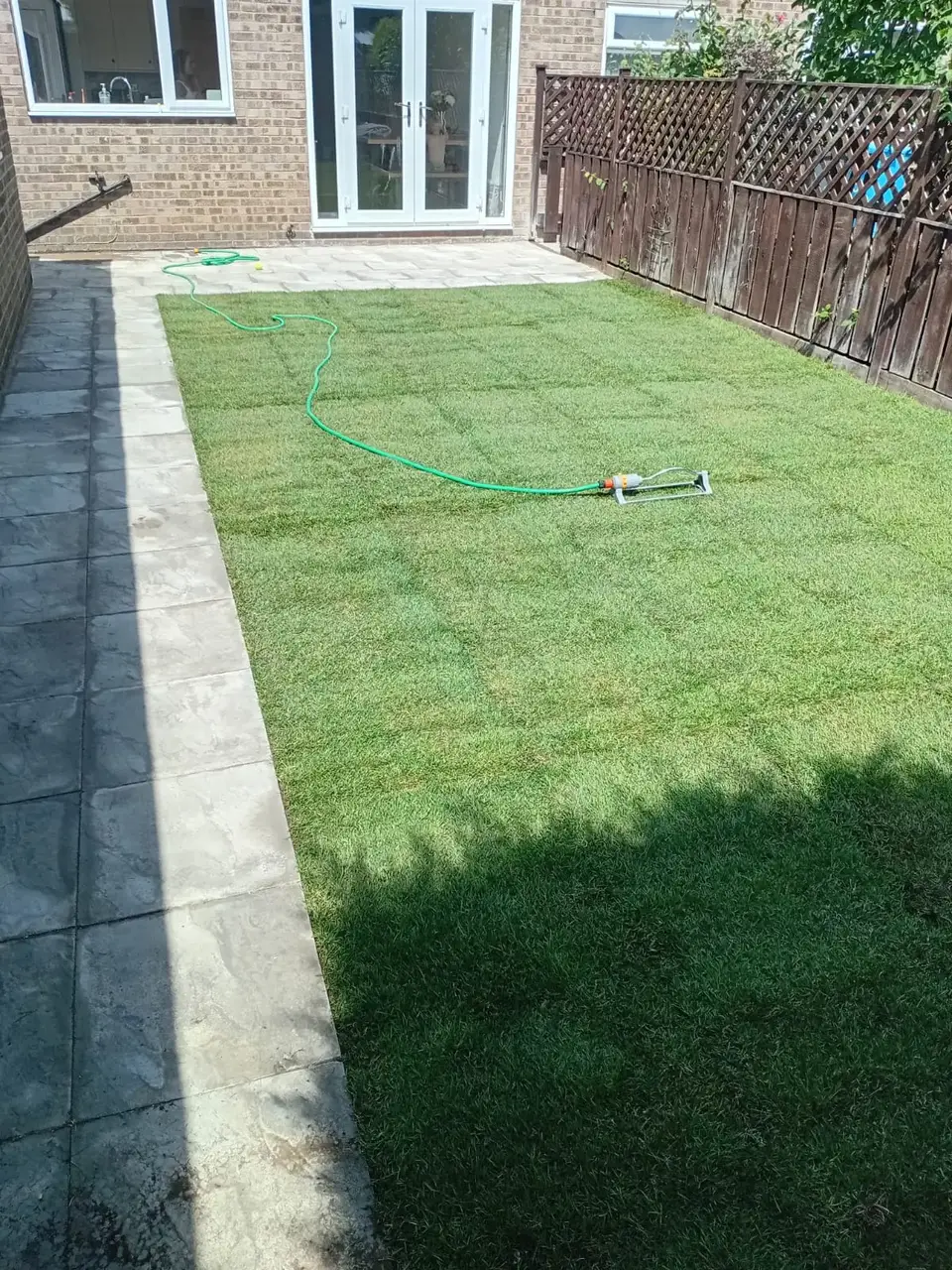
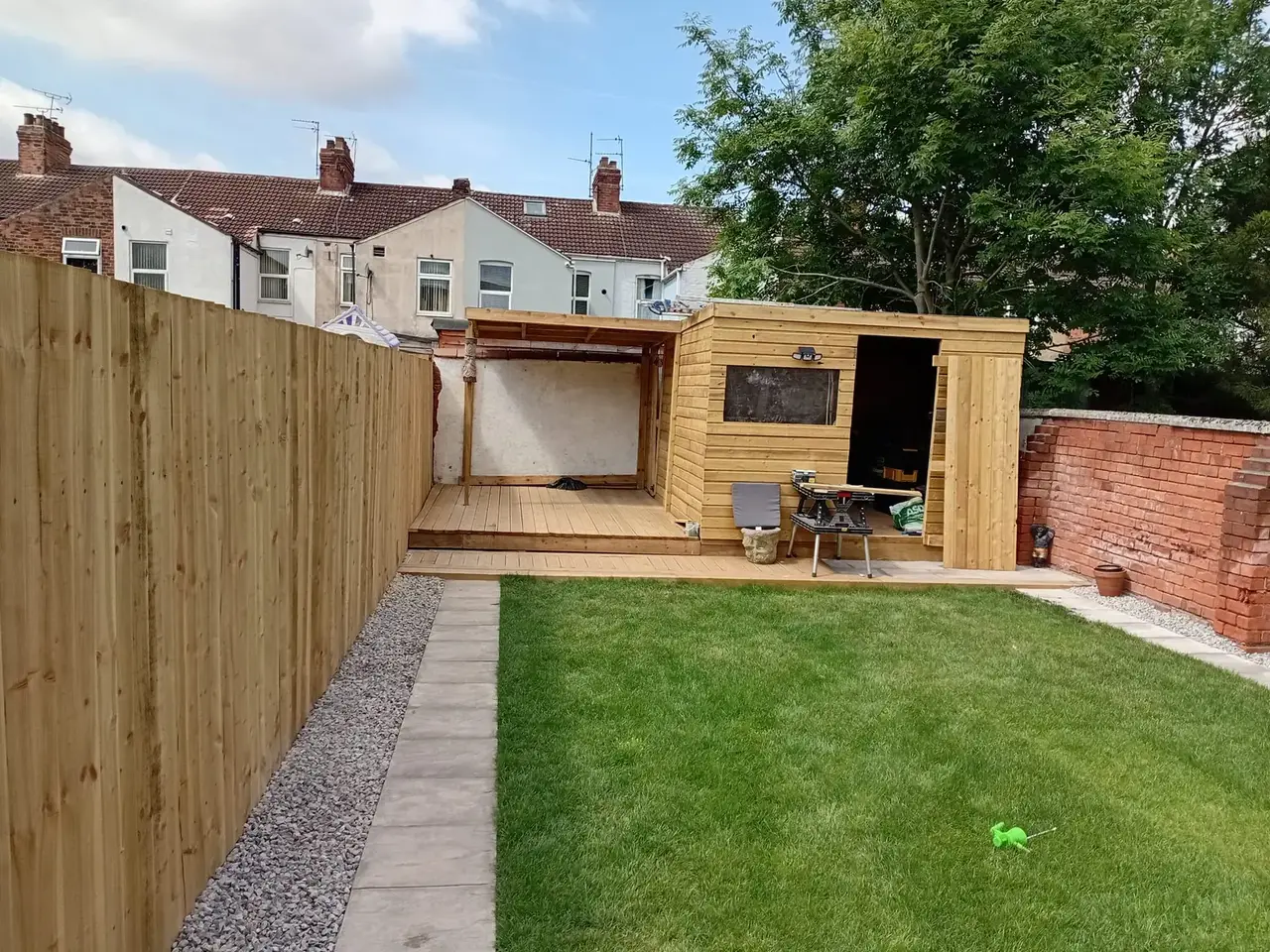
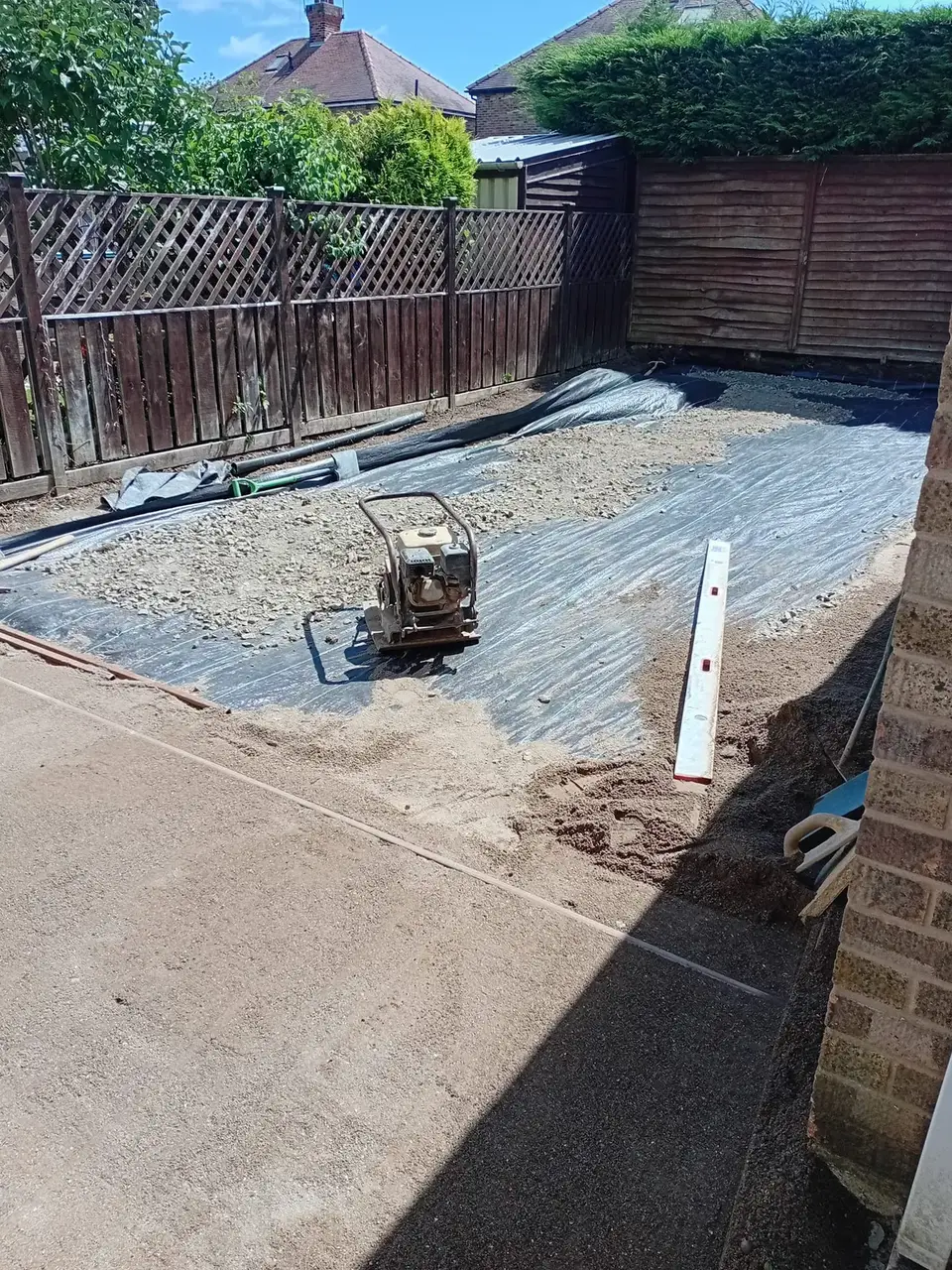
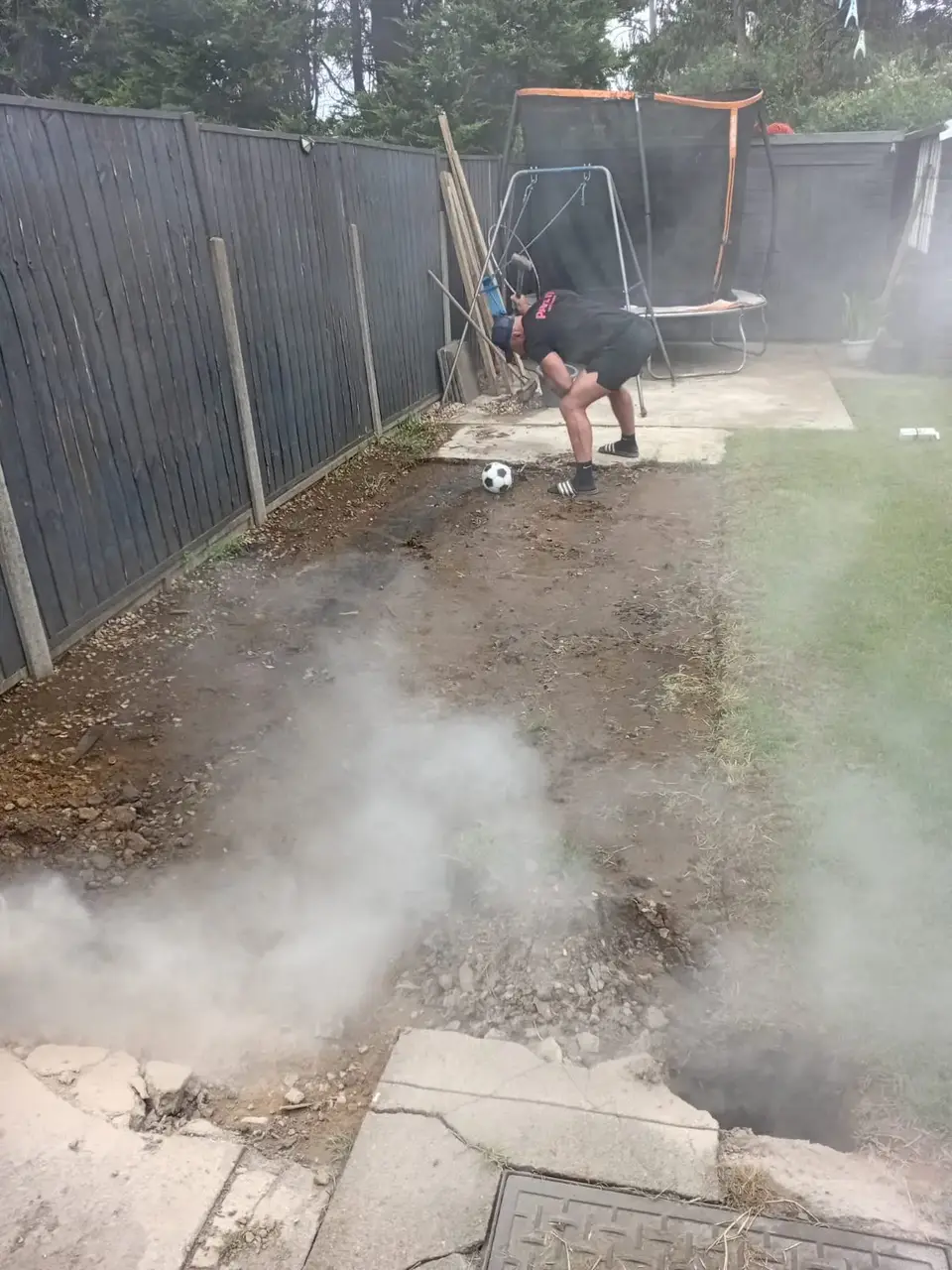
Recent groundwork
What customers say
“Fantastic team from start to finish very professional gave great advice”
Google review
“Highly recommended!!! Does all my property refurbs when it comes to artificial grass and/or groundwork’s. 100%”
Google review
“I found Pave It to be very good and their work is absolutely fantastic. I would definitely recommend them to all my family and friends. They are so efficient in all they do.”
Google review
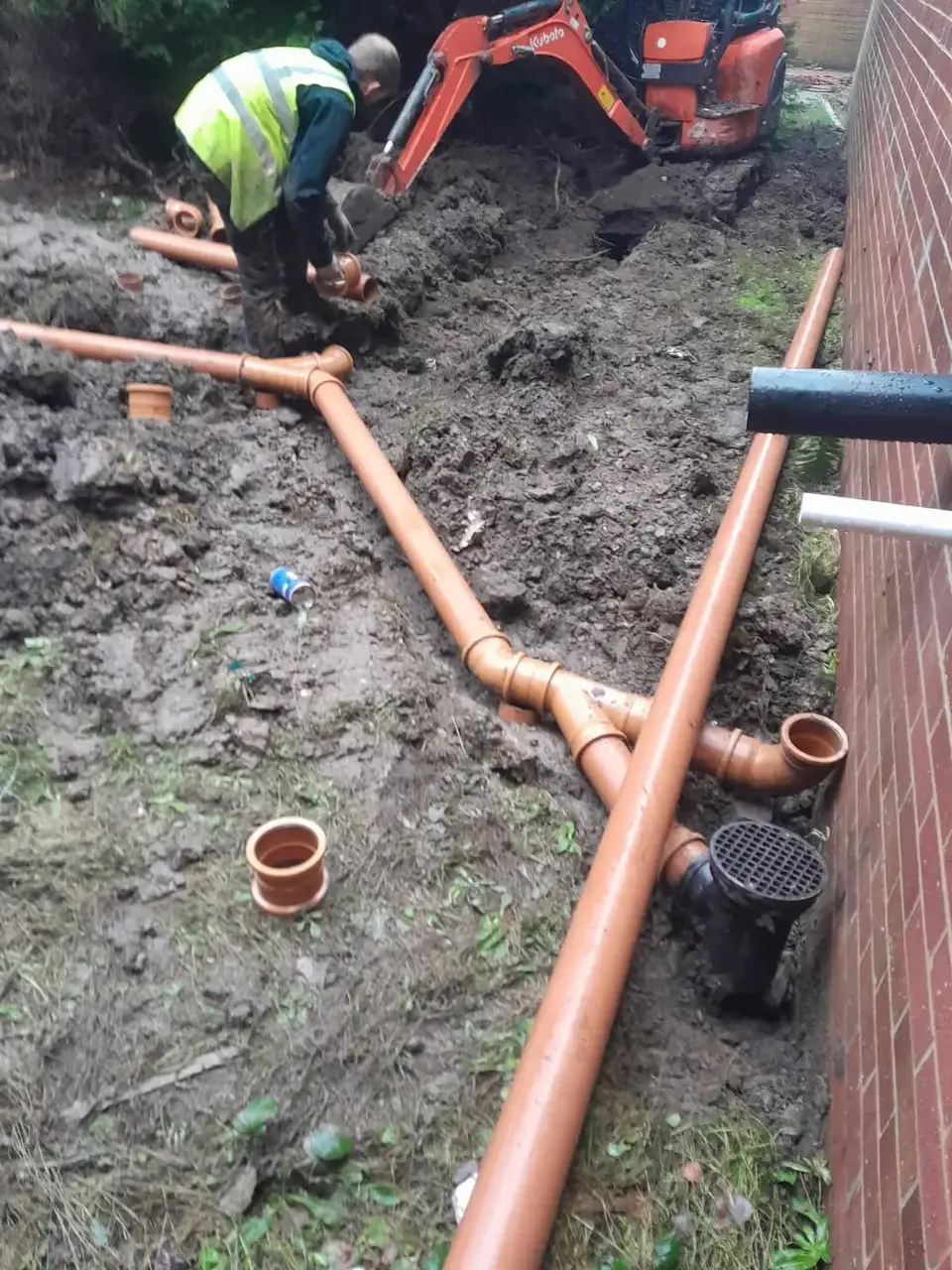
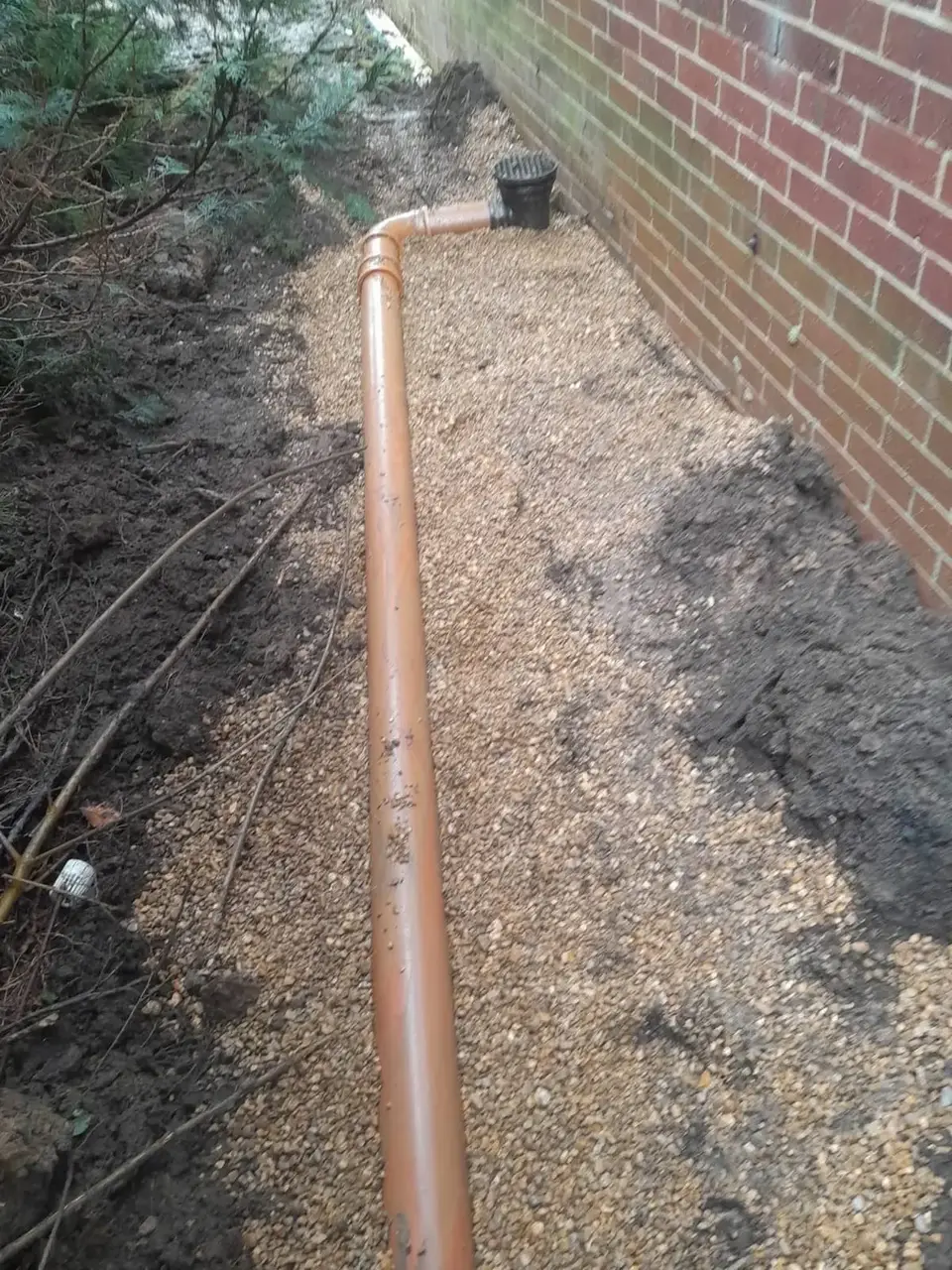
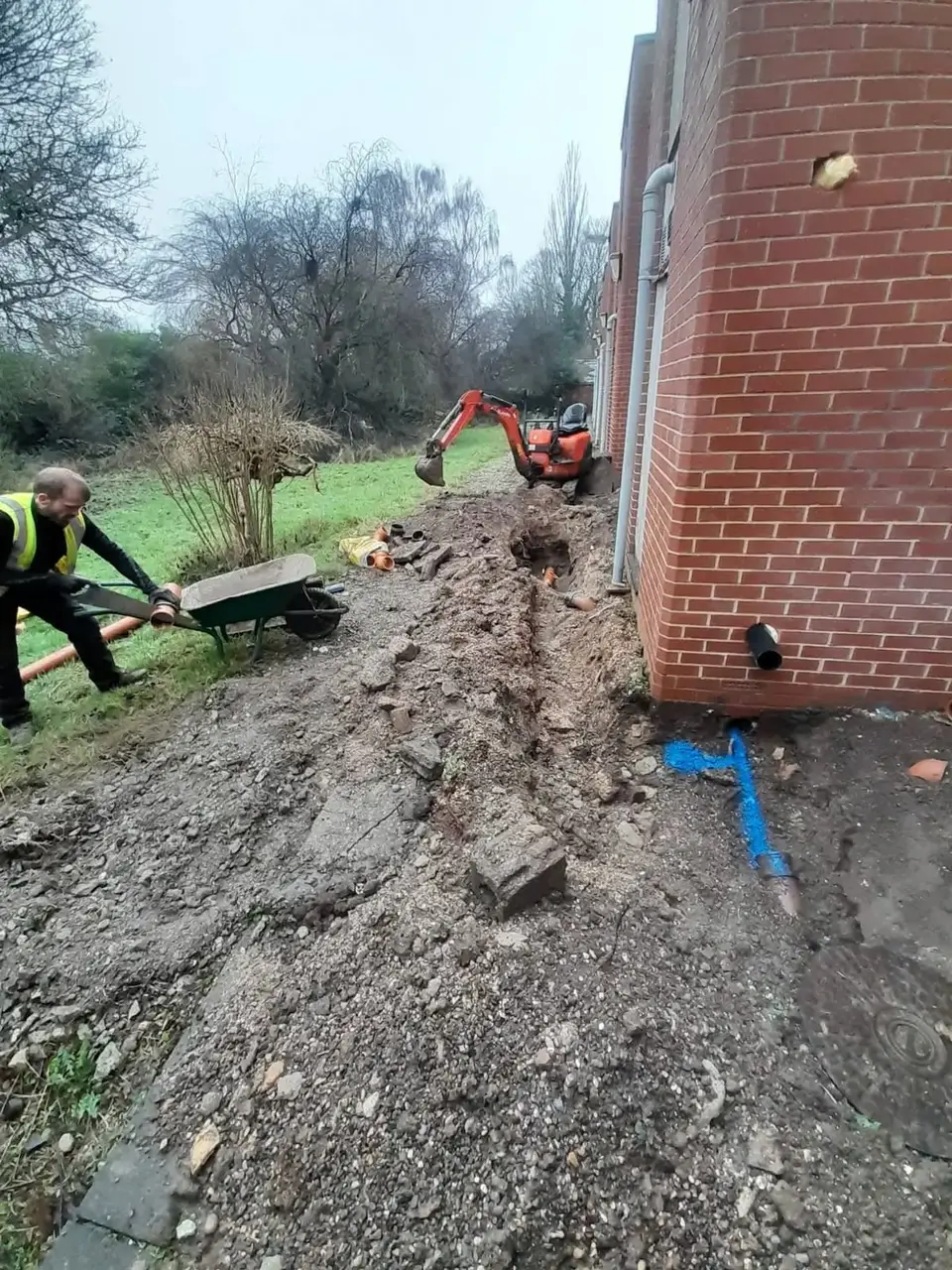
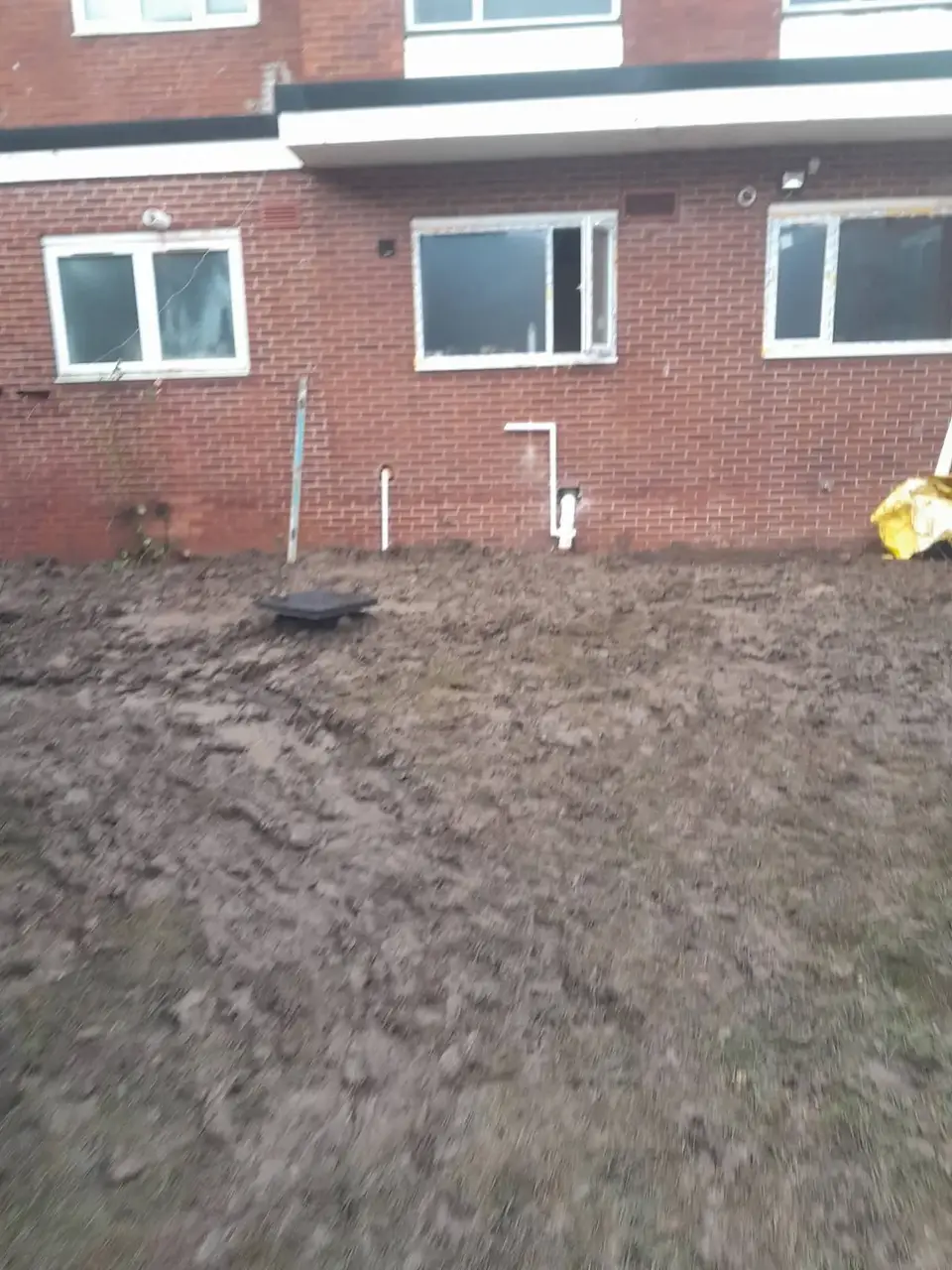
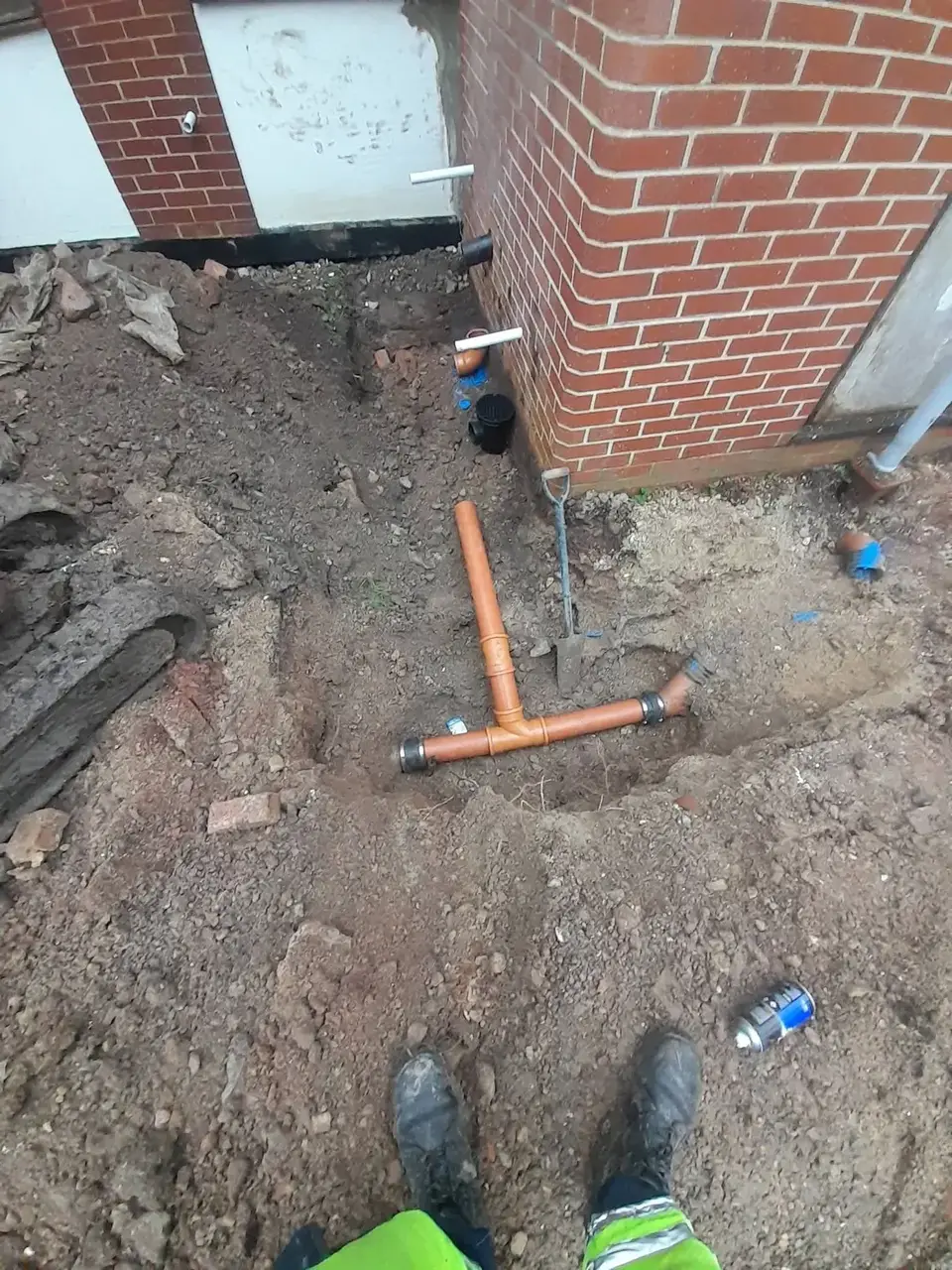
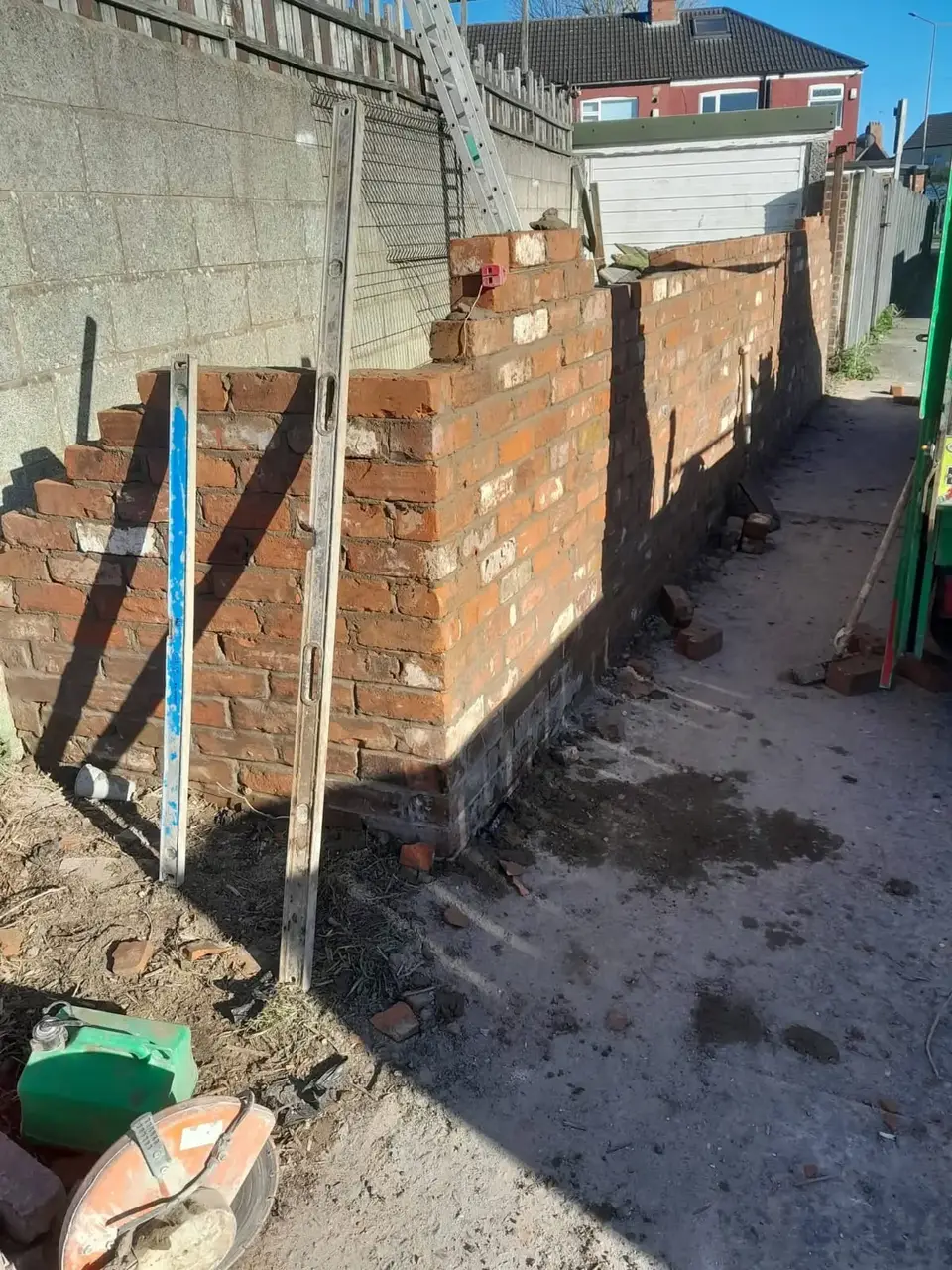
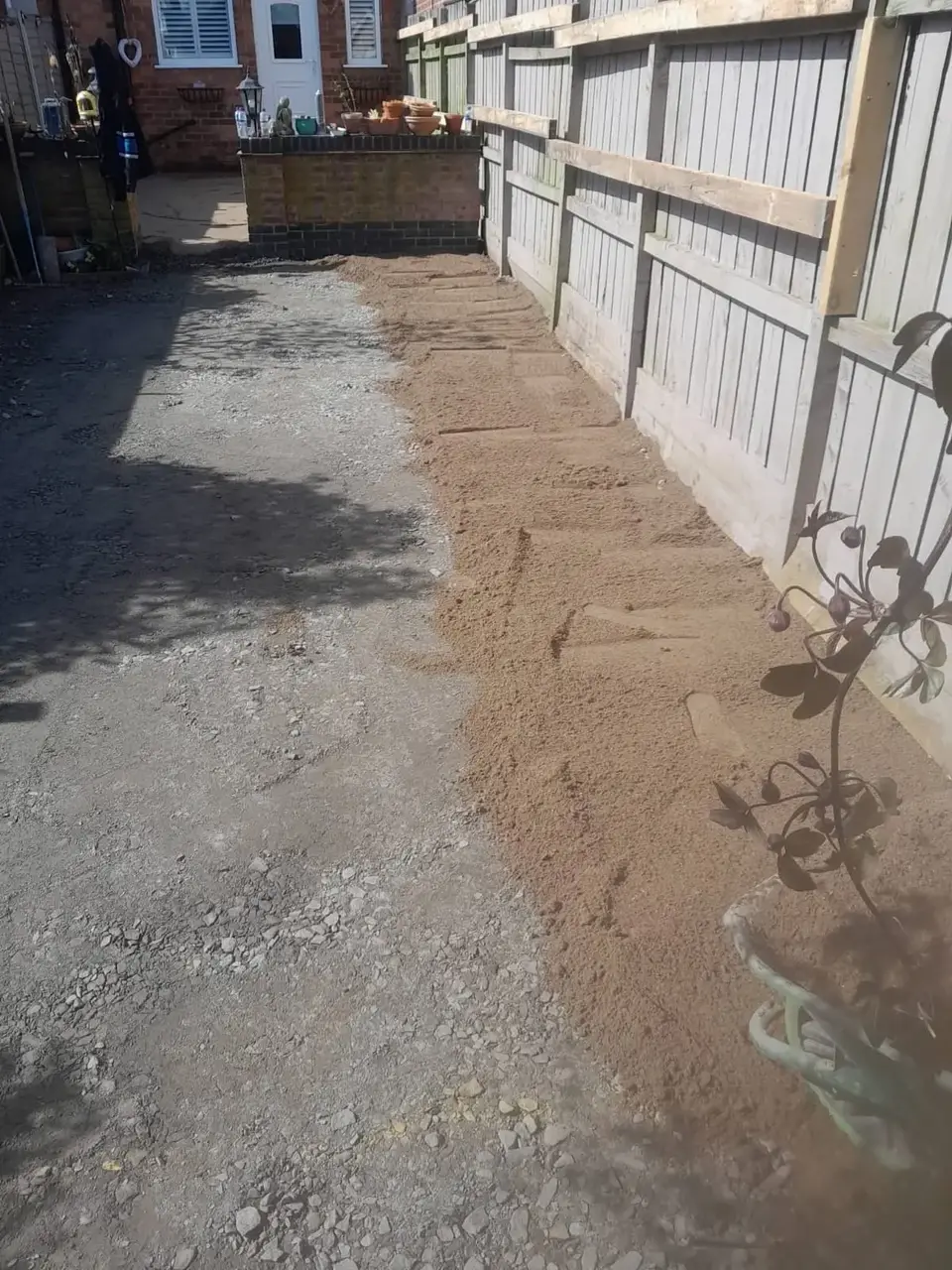
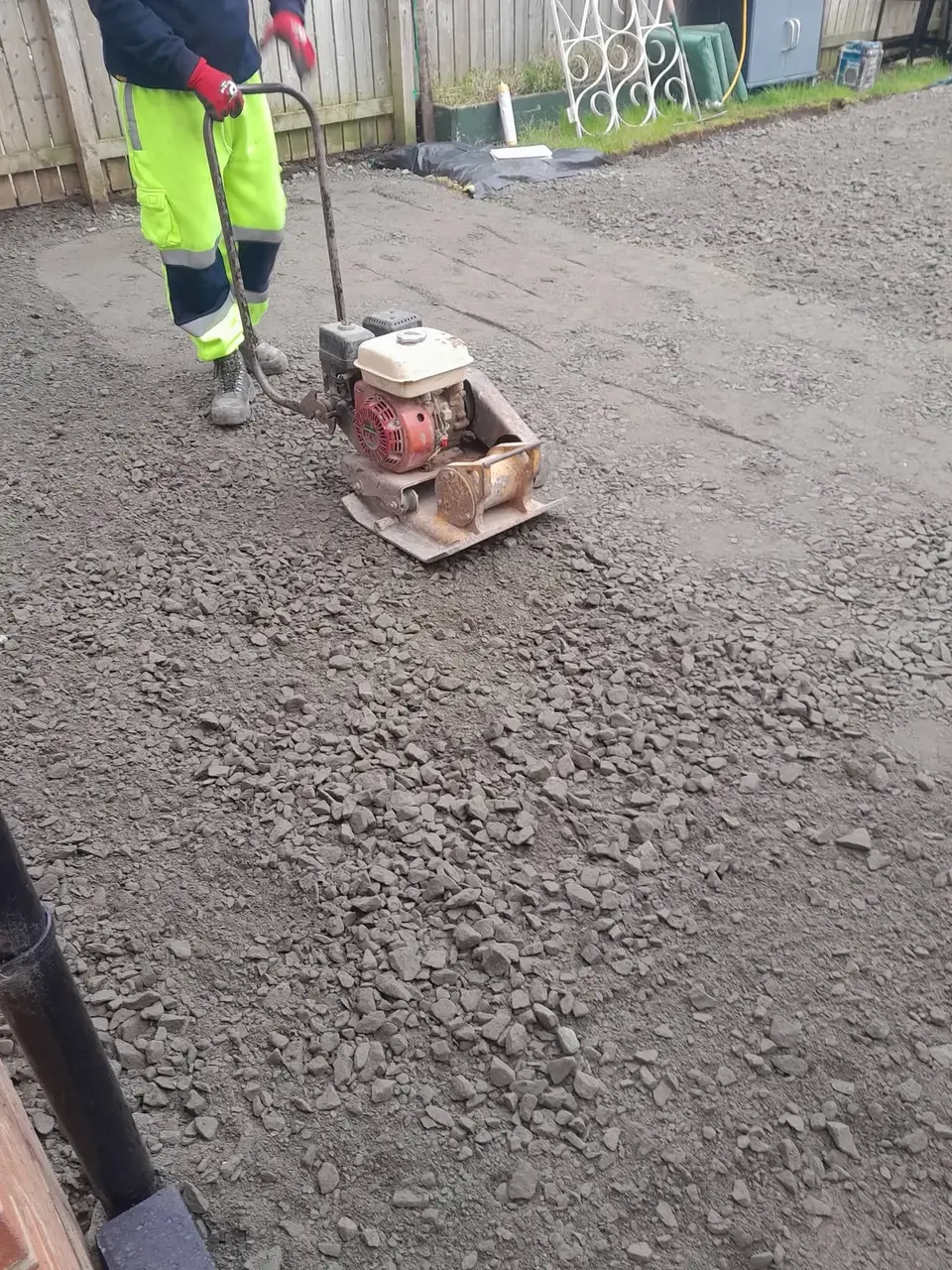
Groundwork and site preparation
Site Clearance and Groundwork questions
What does site clearance include?
It can include removing old paving, concrete, turf, shrubs, sheds and rubbish, and digging out to the depth needed for the new surface. Exactly what is included is written into your quote.
Do you need to be a registered waste carrier?
In England, anyone who transports waste as part of their business must be registered as a waste carrier with the Environment Agency. You should ask to see the registration. We are registered with the Environment Agency as a waste carrier, so spoil and rubble leave your site lawfully.
Where does the waste go?
Waste must go to a site permitted to take it. Soil, hardcore and mixed waste can need different sites, and some, such as asbestos, need specialist handling.
What is muck-away?
Muck-away is the removal of excavated soil and rubble from site, normally by tipper or grab lorry. It is often the biggest cost on a dig-out. Plant and disposal chosen for access, volume and waste type, with skips, carriers or specialists arranged in the job plan.
How do you check for pipes and cables?
We ask for plans where they exist, look for covers, meters and signs, and use hand digging near suspected services. Utilities should be checked before any machine digs.
Do I need a skip permit?
A skip or lorry standing on the public highway usually needs a permit from the council. On your own drive, it does not.
Can you work where access is narrow?
Yes, with smaller machines or by barrow, which takes longer and costs more. We check access at the free visit. Agree dig depth and limits after checking levels and services; separate reusable clean material from waste. Use suitable plant and authorised disposal.
How long does clearance take?
A small garden or drive can take a day or two, and larger jobs longer. We give you a time after the free visit.
How we work
Every job follows the same eight stages, so you know what happens next.
Enquiry
You call, message us on WhatsApp or send the quote form. We note what you want and arrange a visit.
Site visit and measure
We come to your property, look at access, levels and drainage, and measure up. This is free.
Written fixed quote
You receive a written fixed quote that sets out the work, so you can compare it with confidence.
Groundwork plan
We agree the dig depth, base, edging and where the water will go before any work starts.
Dig-out and base
We excavate, remove spoil and build the sub-base in compacted layers, because the base decides how long the surface lasts.
Laying
We lay your chosen surface to the agreed levels and falls, cutting neatly at edges and drains.
Finishing and sealing
We fill and brush joints, apply sealing where the material calls for it, and tidy the edges.
Handover and aftercare
We walk you round the finished job and explain how to look after it.
Before and after
Drag the handle to compare the ground before we started with the finished job.
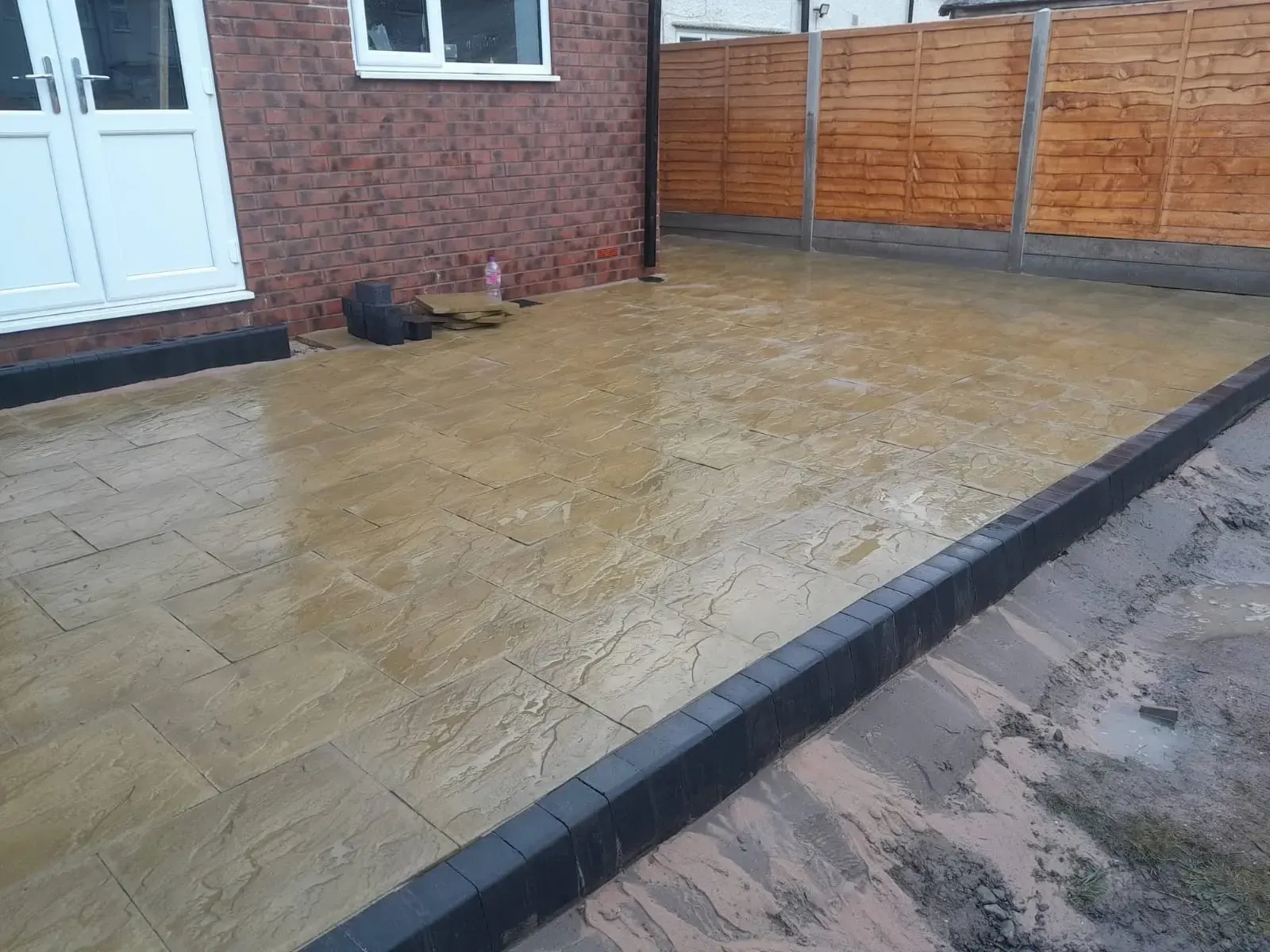
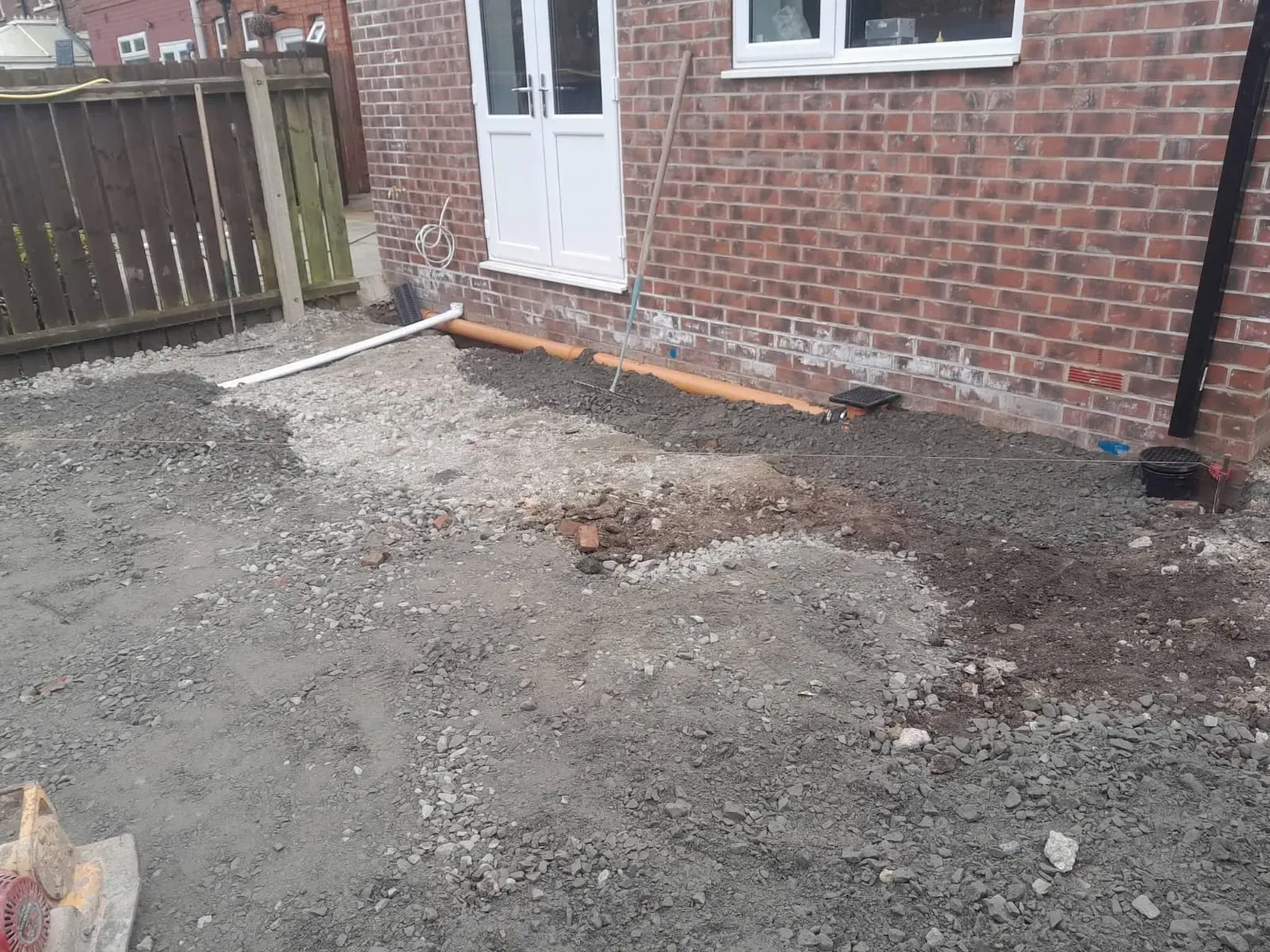 BeforeAfter
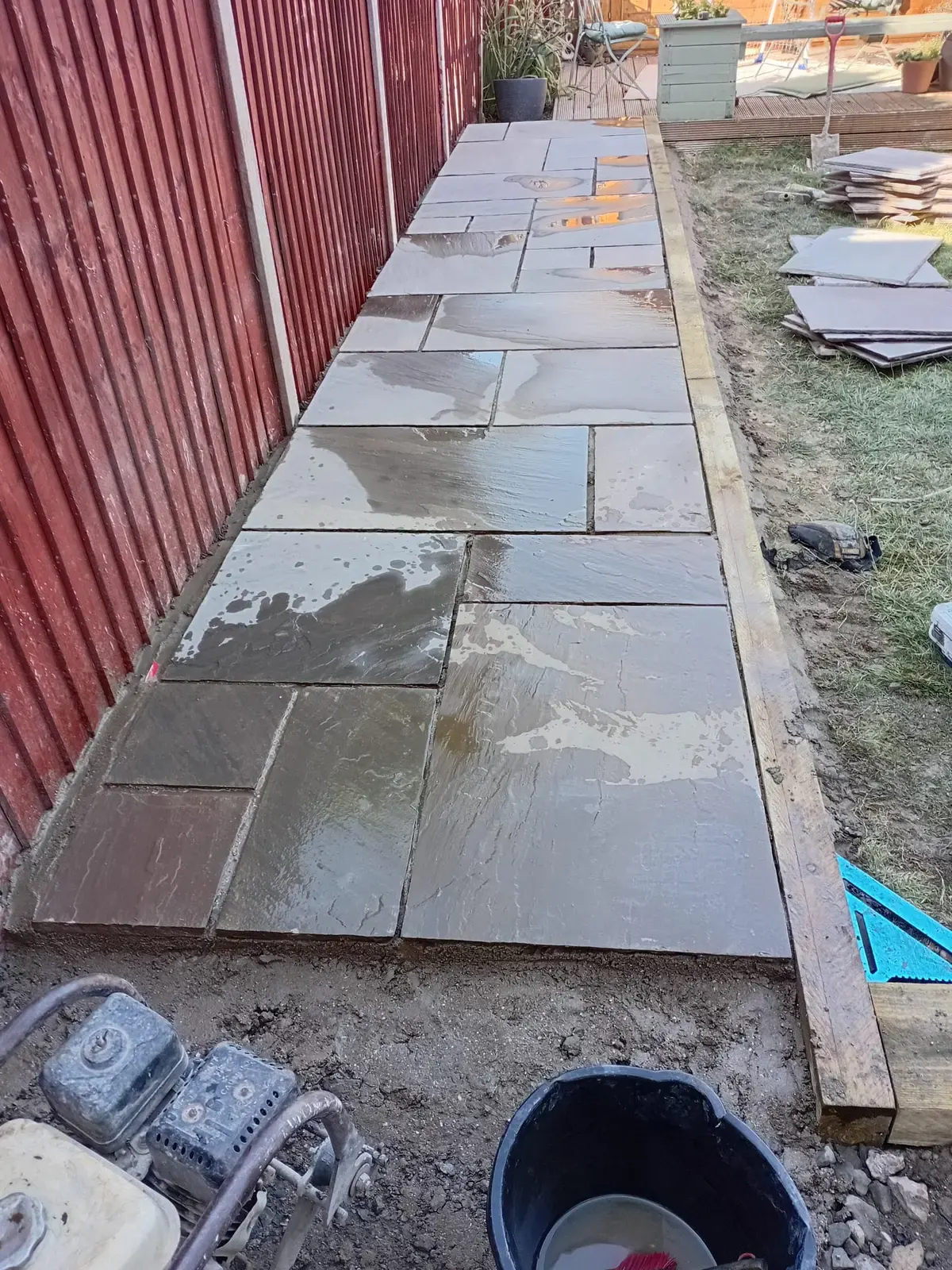
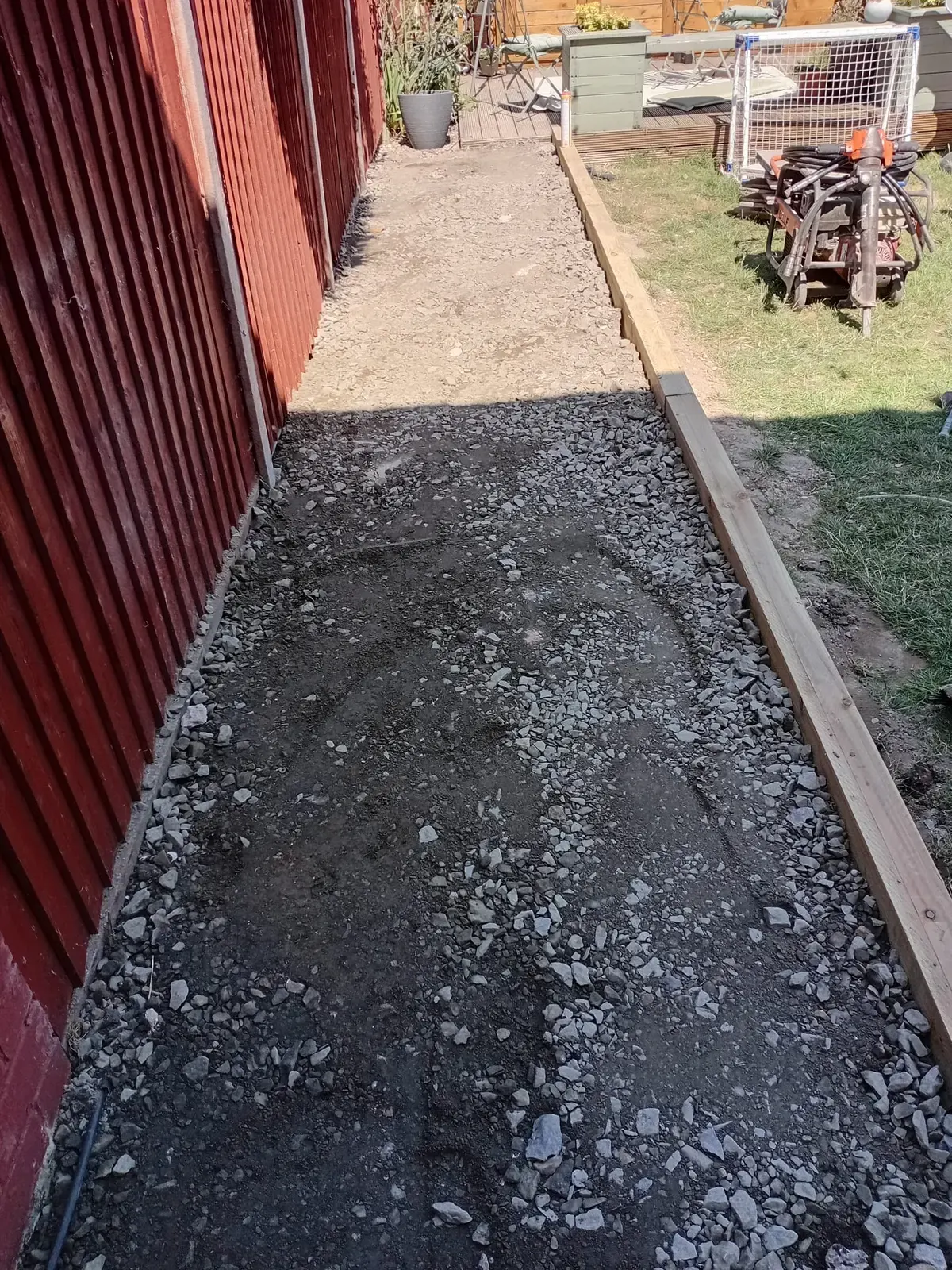 BeforeAfter
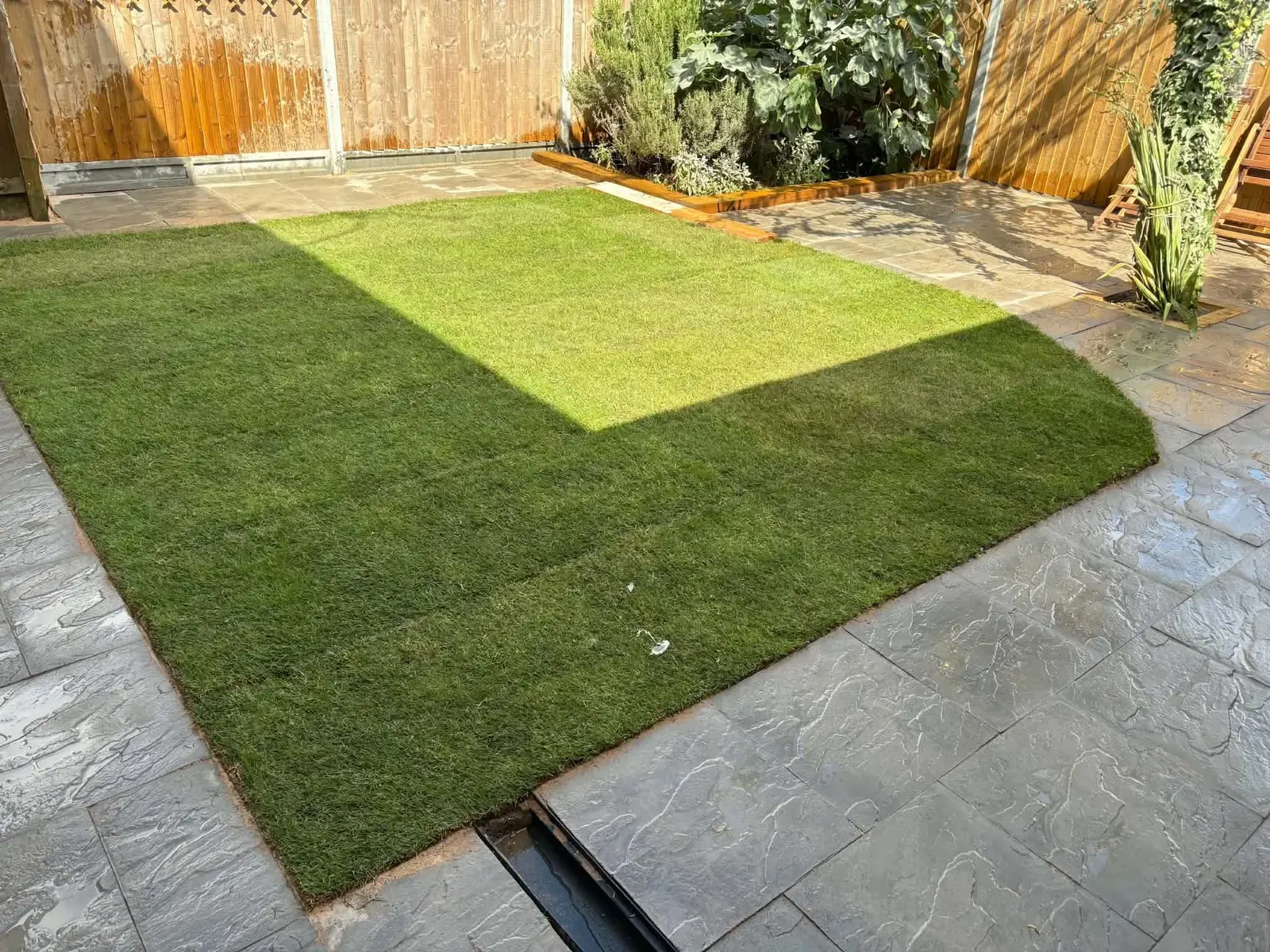
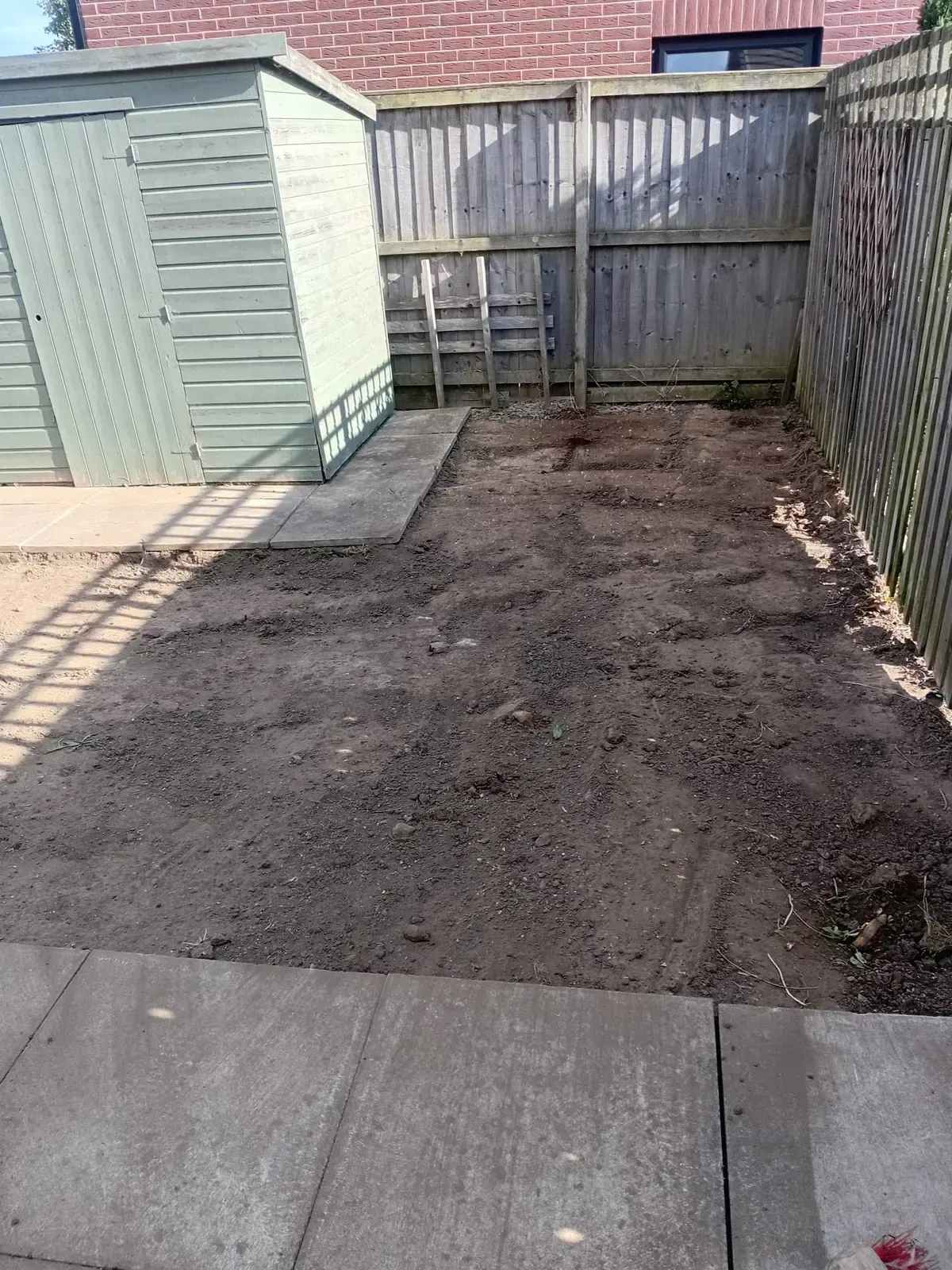 BeforeAfter
Ready for a free quote?
Tell us about the job. We will visit, measure up and give you a written fixed quote.