
Local paving and groundwork
Garden Fencing in Hull
Fences that stay upright start below ground, with posts set properly and a layout agreed before the first hole is dug.
Get your free quote
No obligation. Tell us where to reach you and we will be in touch.
Is fencing right for me?
A fence marks the boundary, gives privacy and keeps children and pets in. The posts do the real work, and a fence is only as sound as the way its posts are set. A low-cost fence with poorly set posts can lean within a few winters.
This page explains how we plan and build fencing, what to agree before work starts and what commonly goes wrong. Every fence is quoted individually after a free site visit. We supply and fit timber panels, posts, gravel boards and gates.
Who fencing suits, and who it does not
It suits you if you want a new boundary, a replacement for a storm-damaged or rotted fence, or a screen along a patio, path or driveway.
It may not suit you if the boundary is disputed or the fence is in a shared wall situation, in which case agree the line with your neighbour first. If the fence will run beside a new paved area, see our patio guide; the ground is usually prepared around the same time.
Our fencing build process
Our process, in order:
- Humber Ground Assessment. At the free visit we look at the line, the levels, the soil, access and anything that is in the way, such as tree roots, services or old footings.
- Boundary and layout. We agree with you where the fence goes, the height and the style, and mark the line.
- Removal. The old fence and posts are taken down and cleared.
- Posts. Holes are dug to depth, posts are set plumb and in line and supported while the footing sets. Set posts plumb in footings sized for height, exposure and ground, after checking the boundary and underground services.
- Gravel boards and panels. Boards go in first, then panels or boarding are fixed to the agreed height, kept level or stepped on a slope.
- Gates. Gates hang on strong posts, with bolts and latches fitted to suit. Pressure-treated timber panels, posts, gravel boards and compatible gates.
- Finishing. Post tops are capped if needed, the site is cleared and the line is checked end to end.
Fencing materials, finishes and colours
Panels. Closeboard is strong and gives privacy, lap panels are cheaper and lighter, and slatted or decorative styles suit front gardens. Pressure-treated timber panels, posts, gravel boards and compatible gates.
Posts. Timber posts are cheaper but rot at ground level in time, concrete posts last longer. As a general industry guide, around a third of the post length is buried, but this is not our specification. Set posts plumb in footings sized for height, exposure and ground, after checking the boundary and underground services.
Gravel boards. A gravel board keeps panels clear of wet soil. It can be replaced without replacing the panel.
Treatment and finish. Pressure-treated timber lasts longer, and a fresh coat of preservative helps.
Height. Choose a height to suit your privacy needs and the planning rules.
Drainage, planning and building regulations
Water and posts. A post set in wet ground stays wet. Concrete is sloped at the top so water runs off the post and not into the joint. Where the ground holds water, we discuss it at the visit.
Gaps and levels. A fence on a slope is either stepped or raked. Stepped runs keep panels level, and a gravel board hides the gap.
Planning. As a general rule in England, a fence can be up to 2 metres high, or 1 metre next to a road used by vehicles, without planning permission. Listed buildings, conservation areas and some estates have extra rules. Check with your council.
Boundaries. Ownership is shown in the deeds or Land Registry plans, not by which side the posts are on. We build on the line you give us.
Timescales and aftercare
A typical back garden can take a day or two, and longer where there is old fencing to remove, a slope or poor access. Our current guide is typically 1 to 3 working days for a domestic garden run. We do not set posts in frozen ground.
Aftercare. Keep soil and soil heaps away from the bottom of the panels, treat timber as advised, and check the posts and boards after strong winds. Guarantee: covered by our guarantee, with the terms set out in your written quote.
Fencing costs in Hull
We quote each fence individually and give a fixed written price after the free visit. Guide prices:
Closeboard fence, per metre run: From £85.
What moves the price: length, height, style, post type, slope, access and the amount of old fencing to remove.
What is included: the preparation, materials, labour and tidy-up listed in your written quote.
Common problems and contractor mistakes
- Posts not deep enough. The fence leans in the first strong wind.
- Timber in wet soil. Posts and panels rot at the base within a few years.
- Too few posts. Wide gaps between posts let panels bow.
- No gravel board. Panels sit in the damp and fail early.
- Disputed boundary. The fence goes up on the wrong line, and a neighbour objects.
- Ignoring the slope. Panels left with gaps at the bottom or cut awkwardly.
Fencing in Hull: local ground and weather
Hull sits on flat, low ground where wind can sweep across open gardens, so post depth and spacing matter. Clay soil stays wet in winter, which is hard on timber posts, so we discuss post type and footings at the visit. Older terraced and semi-detached plots often have shared boundaries and narrow access, so we plan the line and the delivery of materials in advance. We work across Hull, Beverley and Hessle.
Recent fencing work
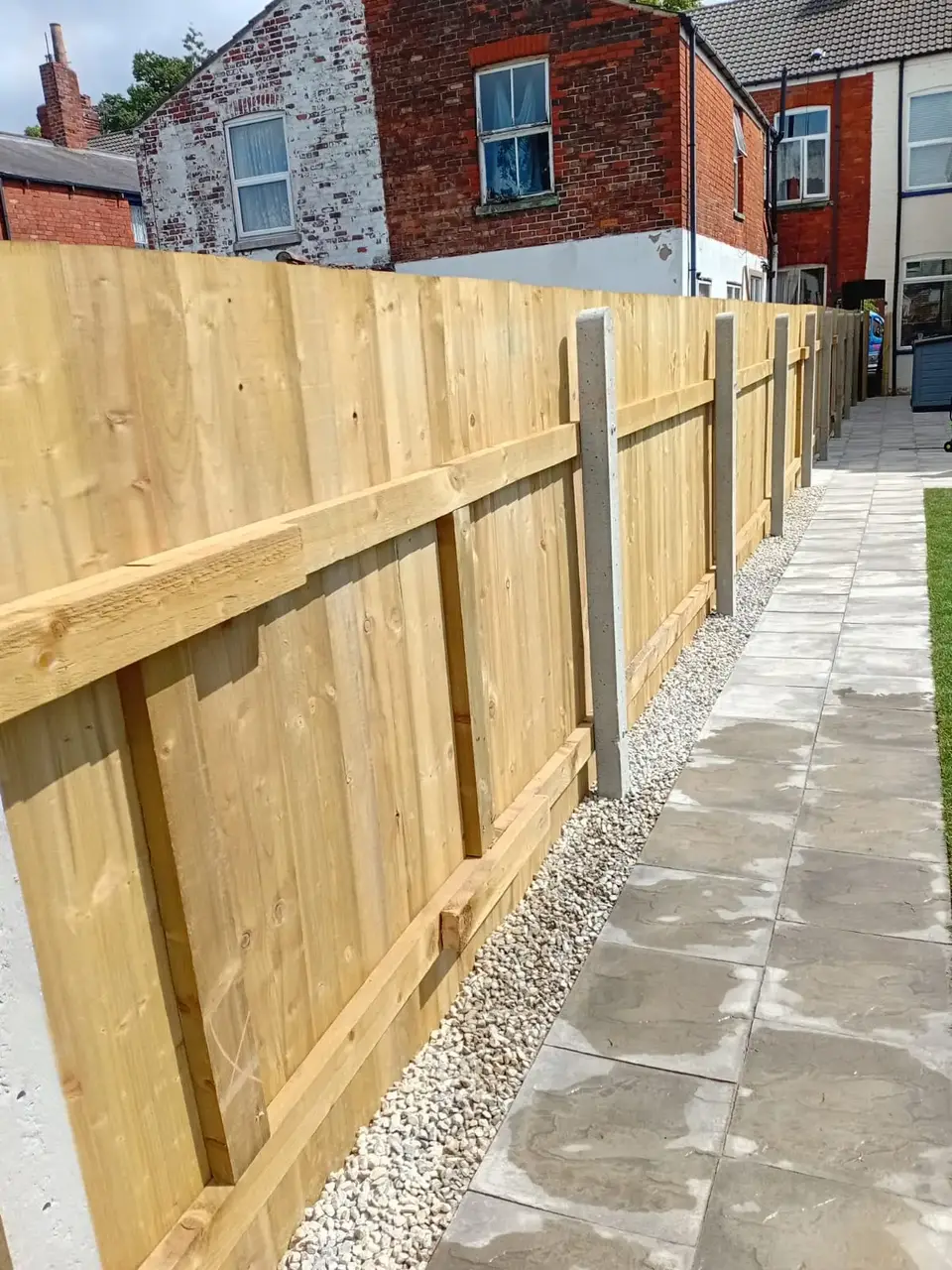
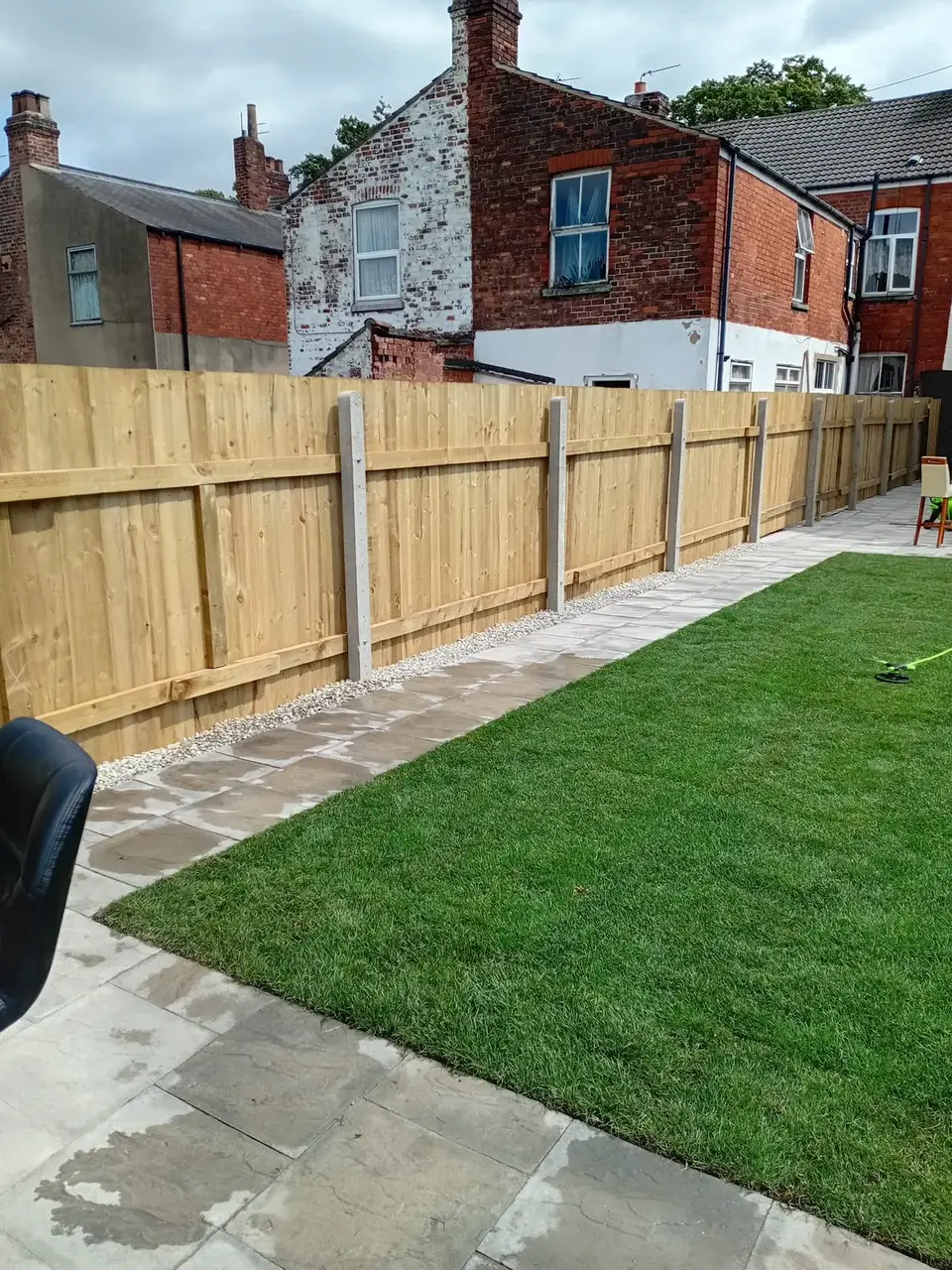
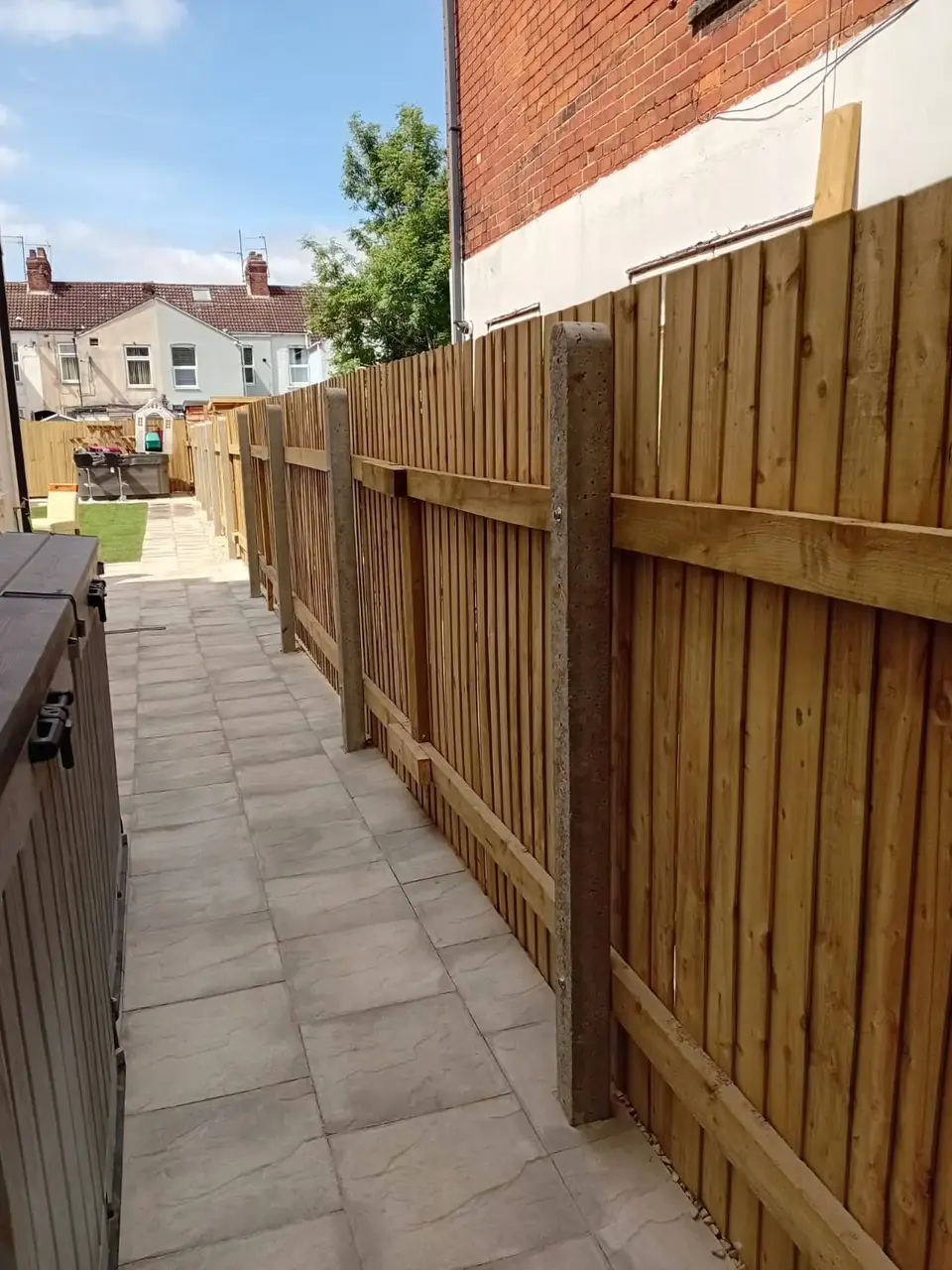

What customers say
“Fantastic team from start to finish very professional gave great advice”
Google review
“Highly recommended!!! Does all my property refurbs when it comes to artificial grass and/or groundwork’s. 100%”
Google review
“I found Pave It to be very good and their work is absolutely fantastic. I would definitely recommend them to all my family and friends. They are so efficient in all they do.”
Google review
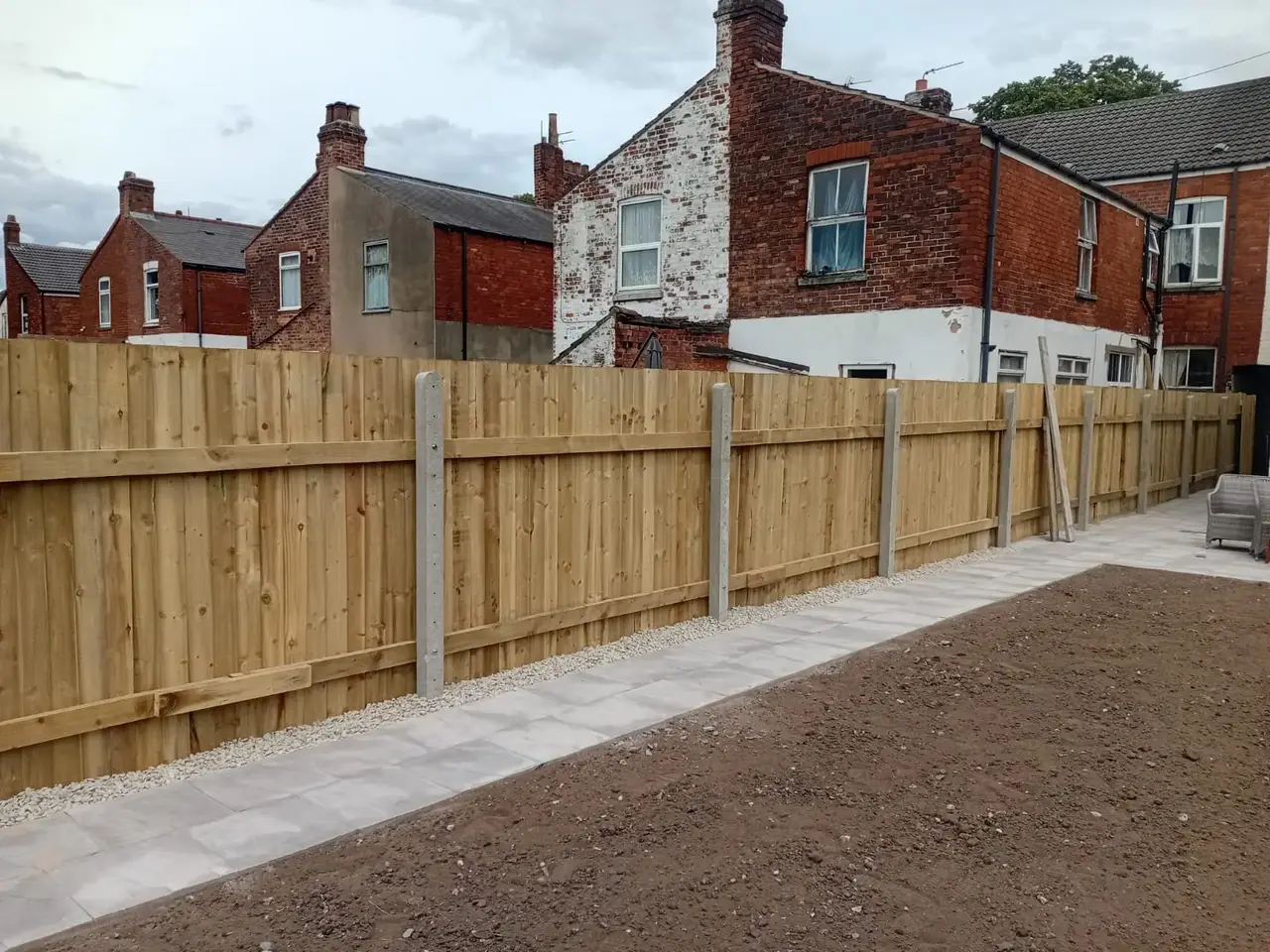
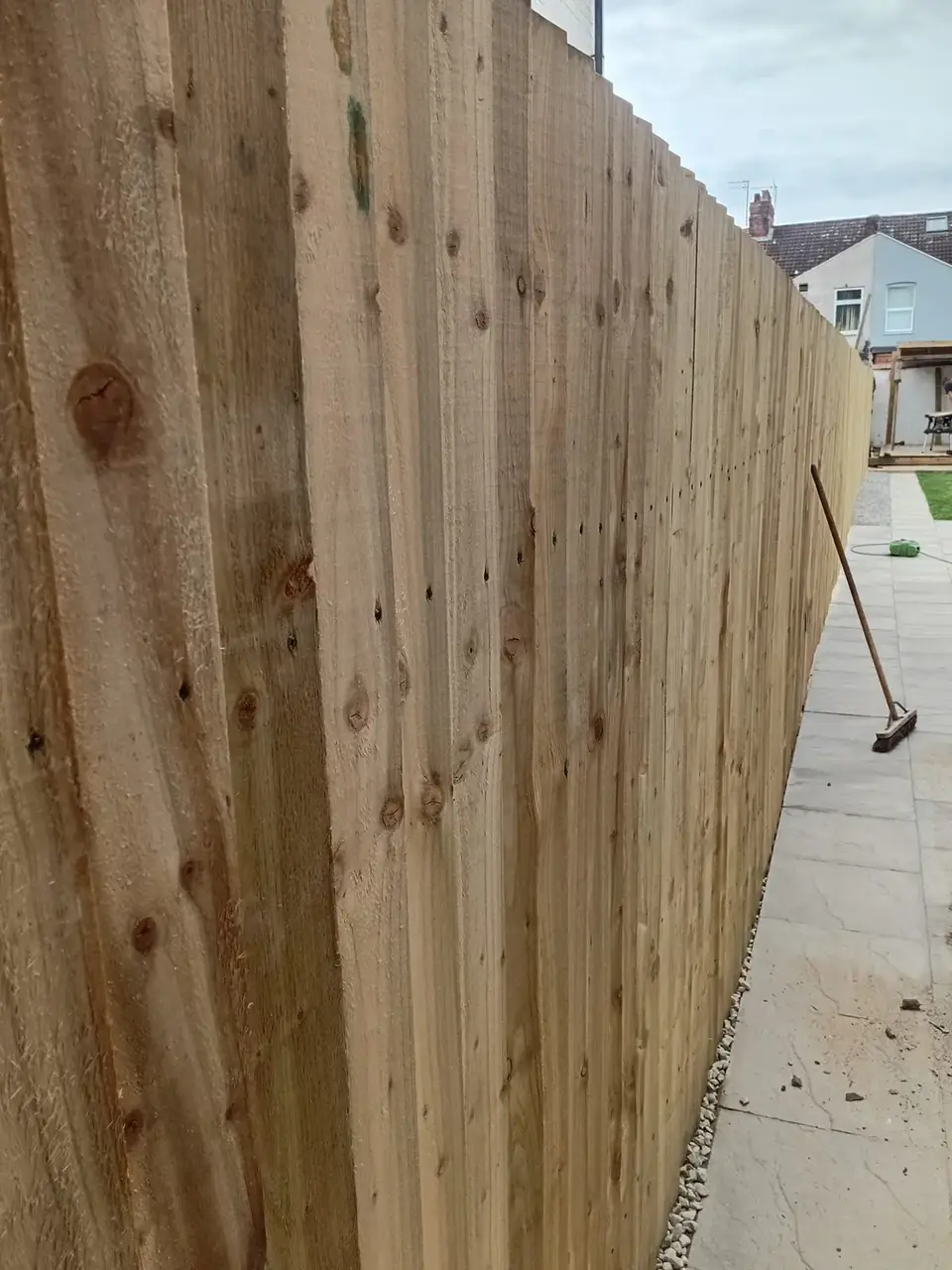
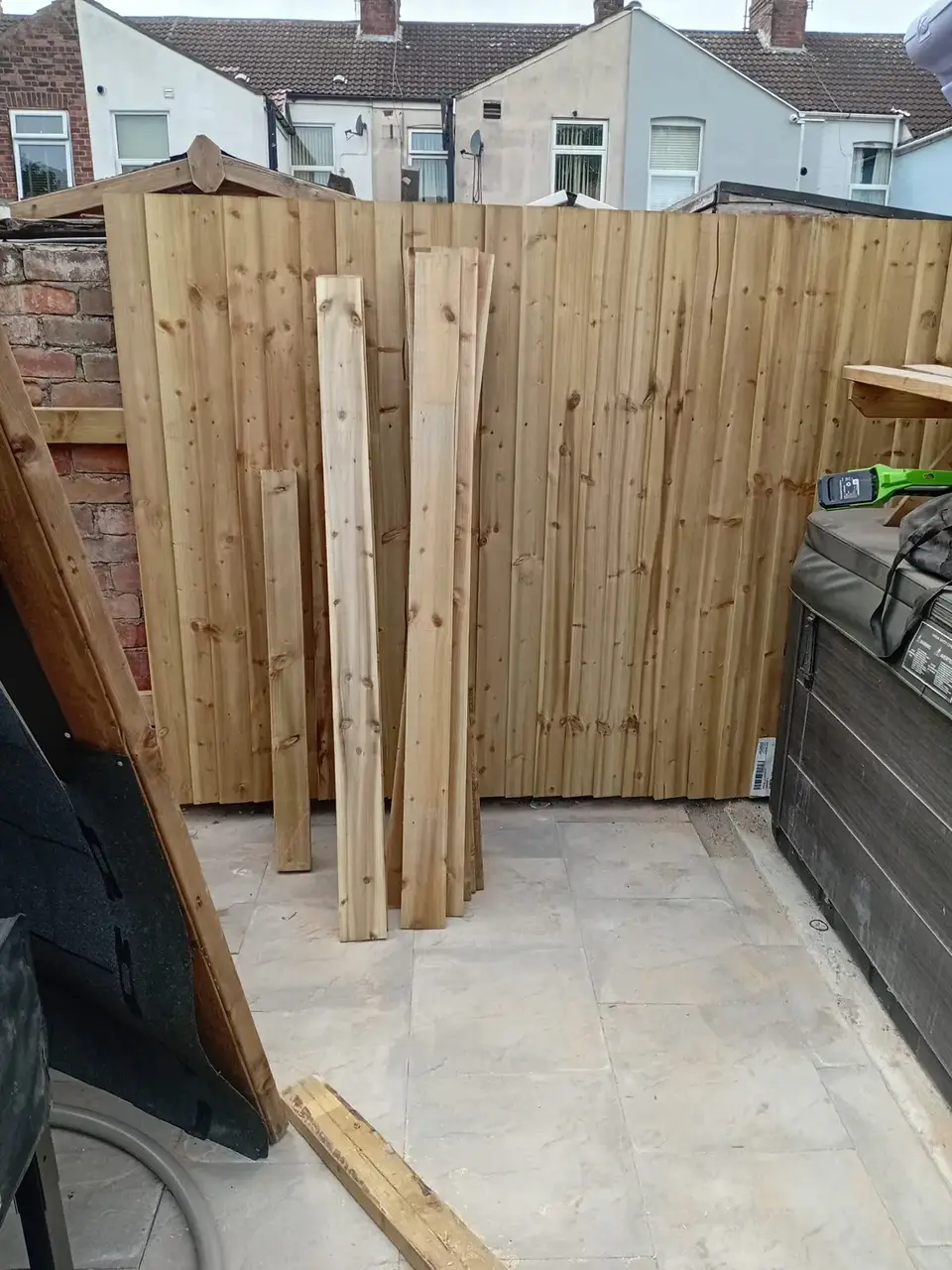
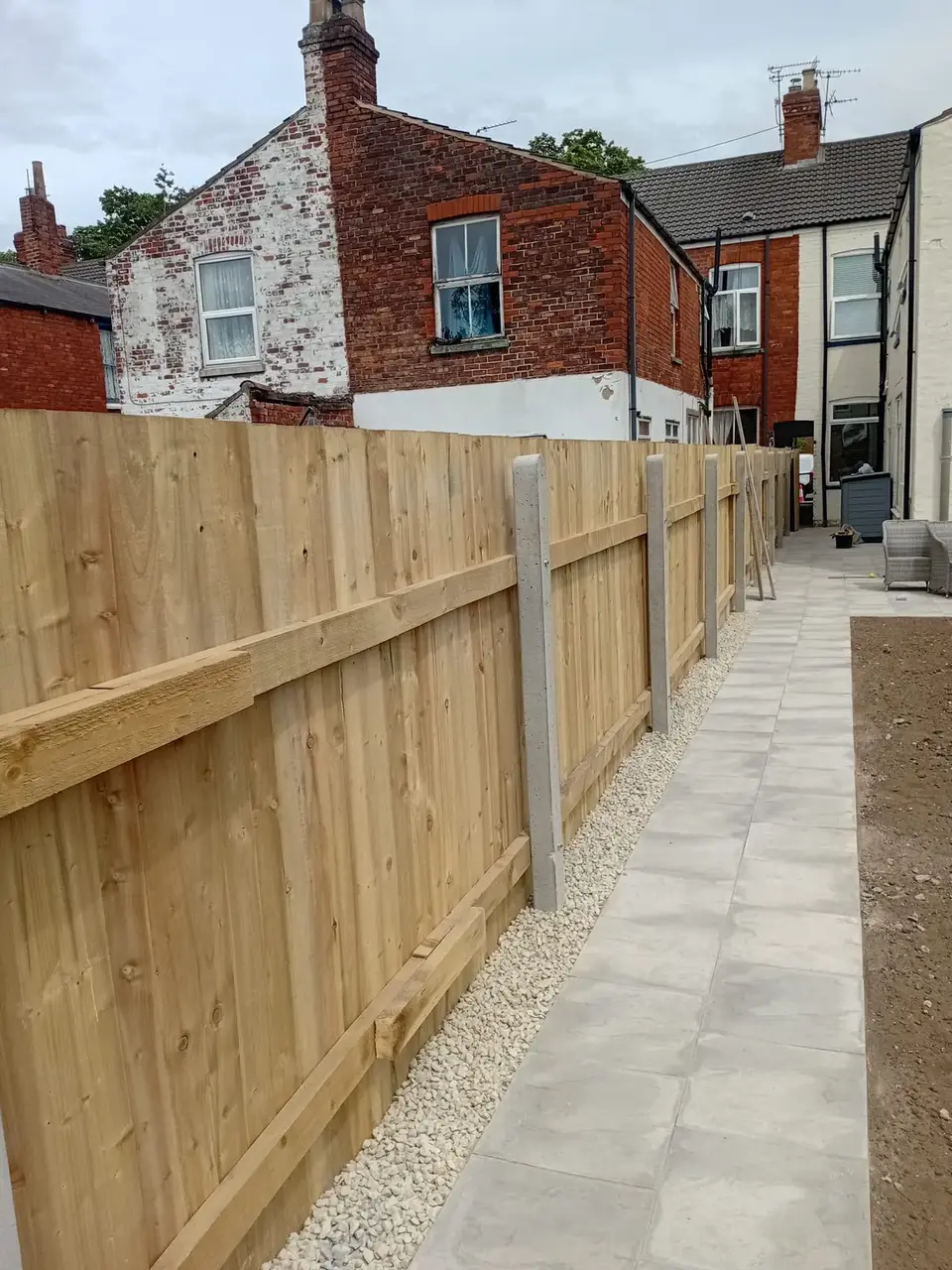
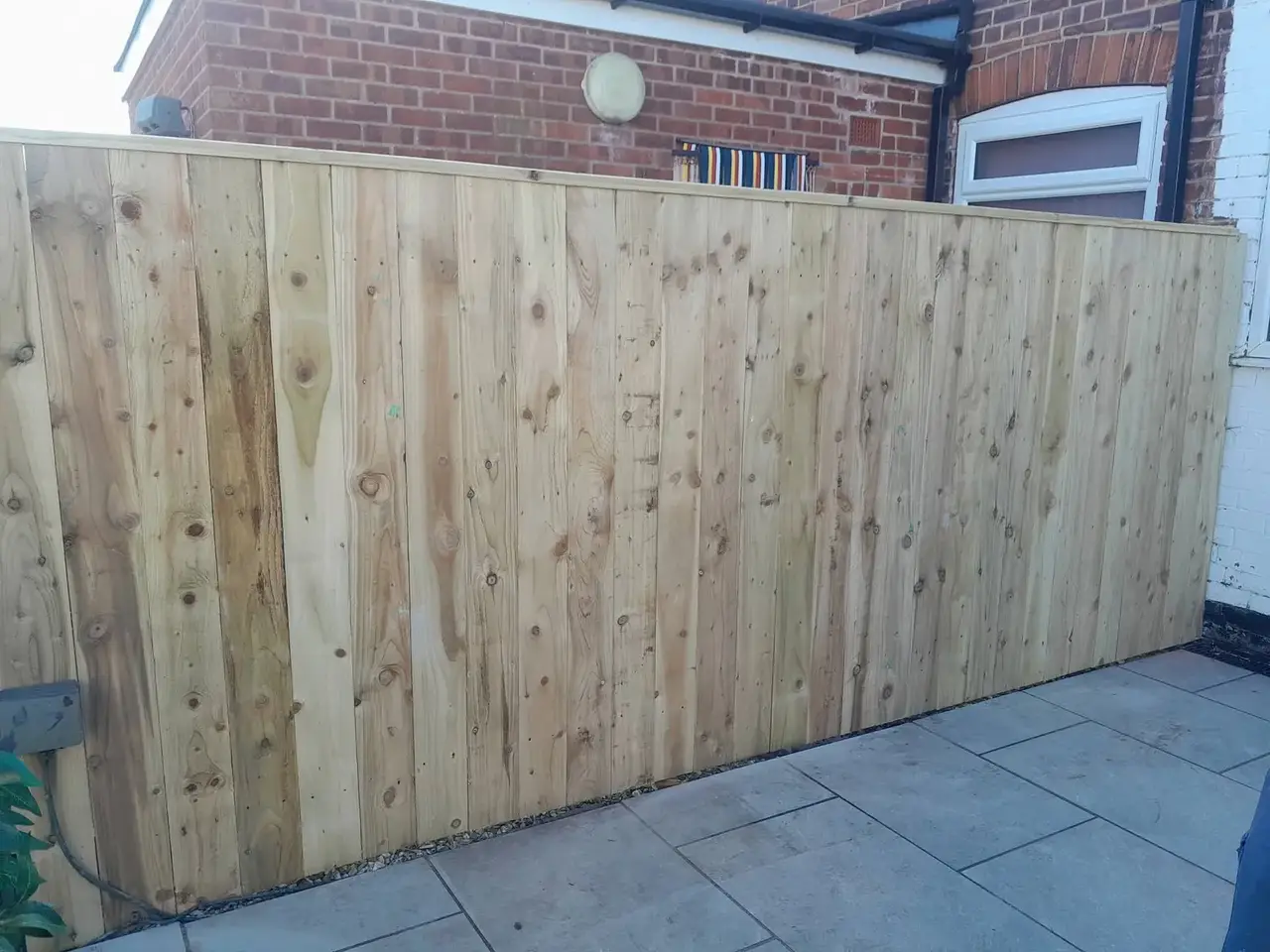
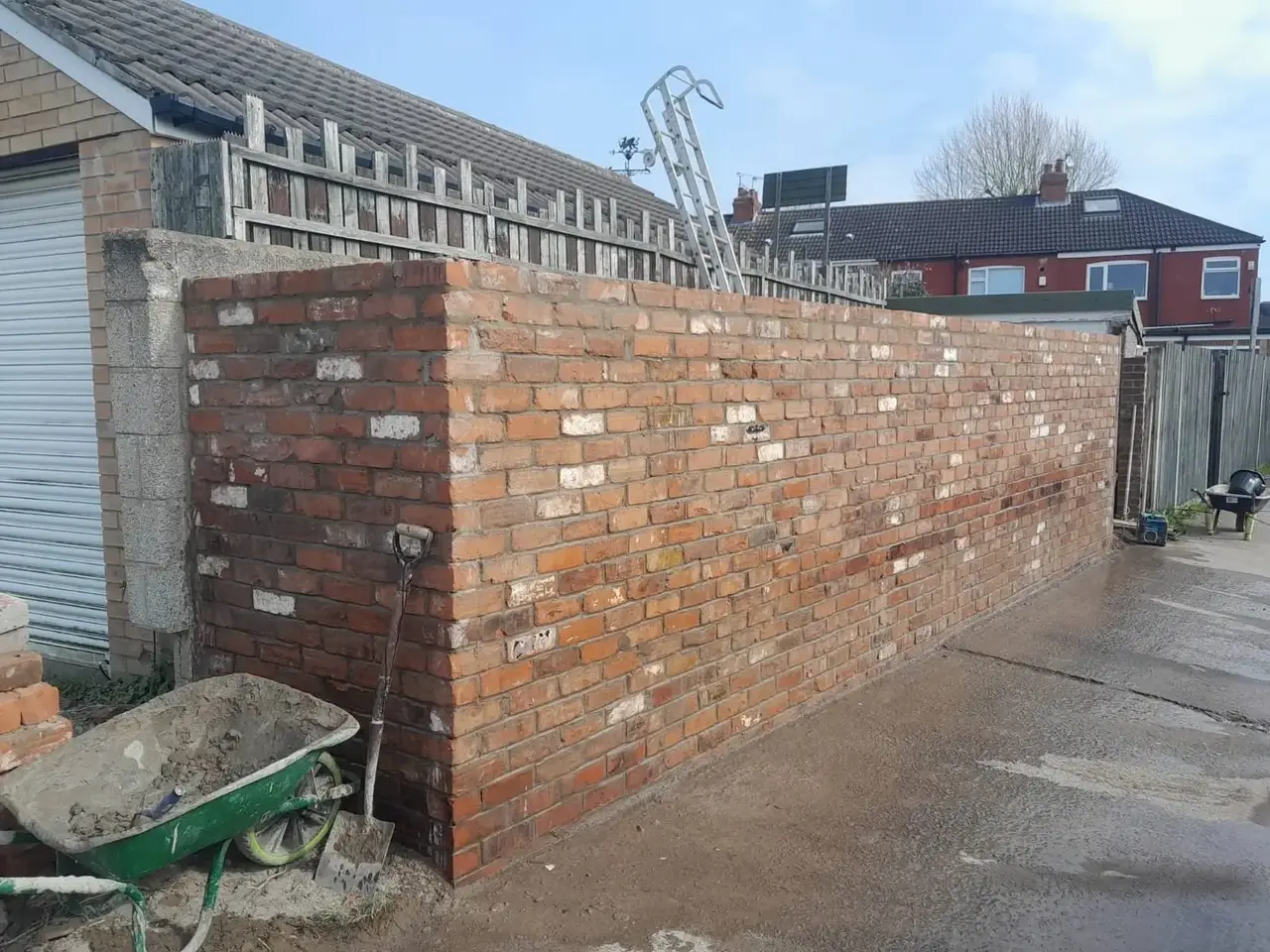
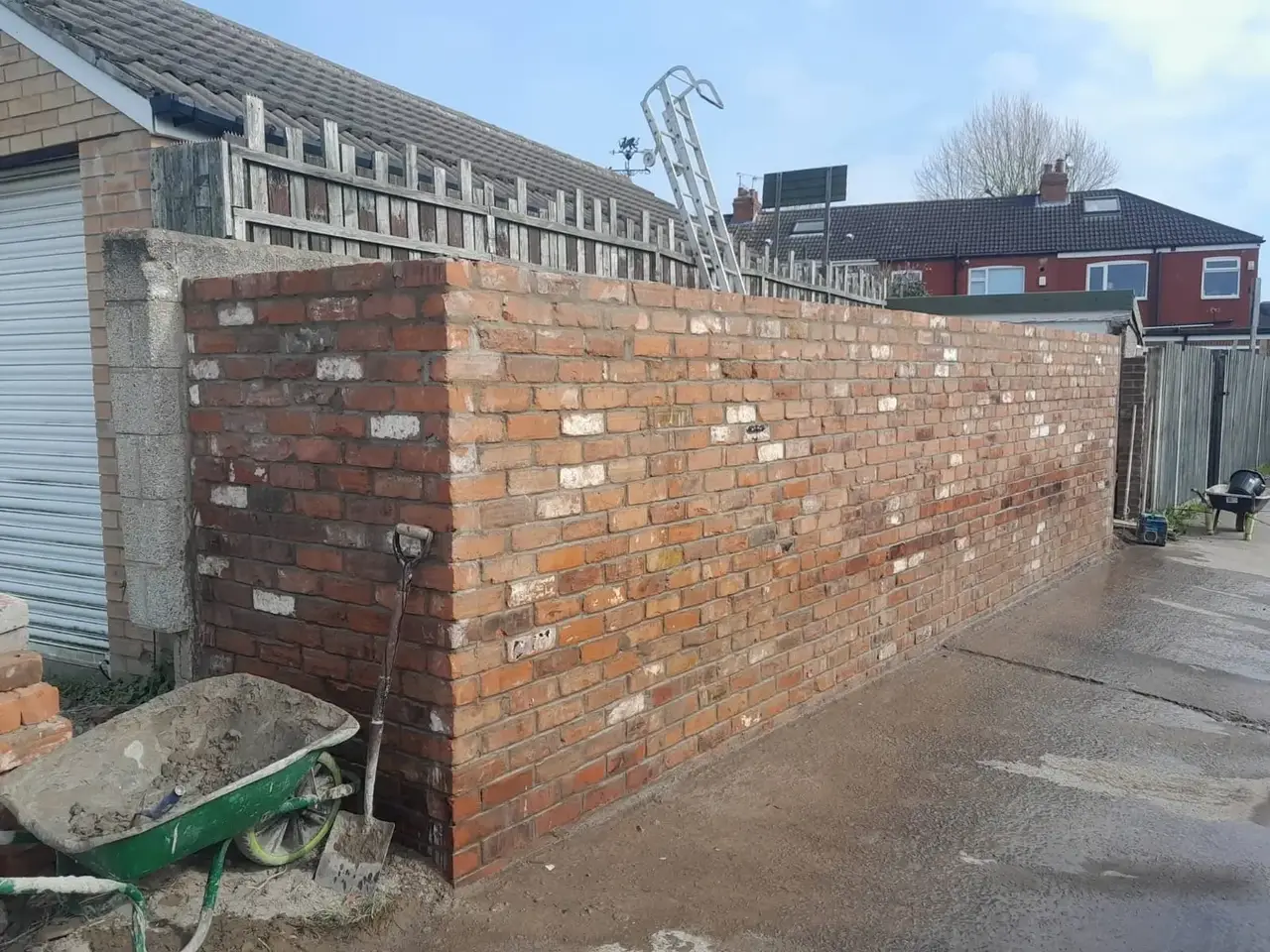
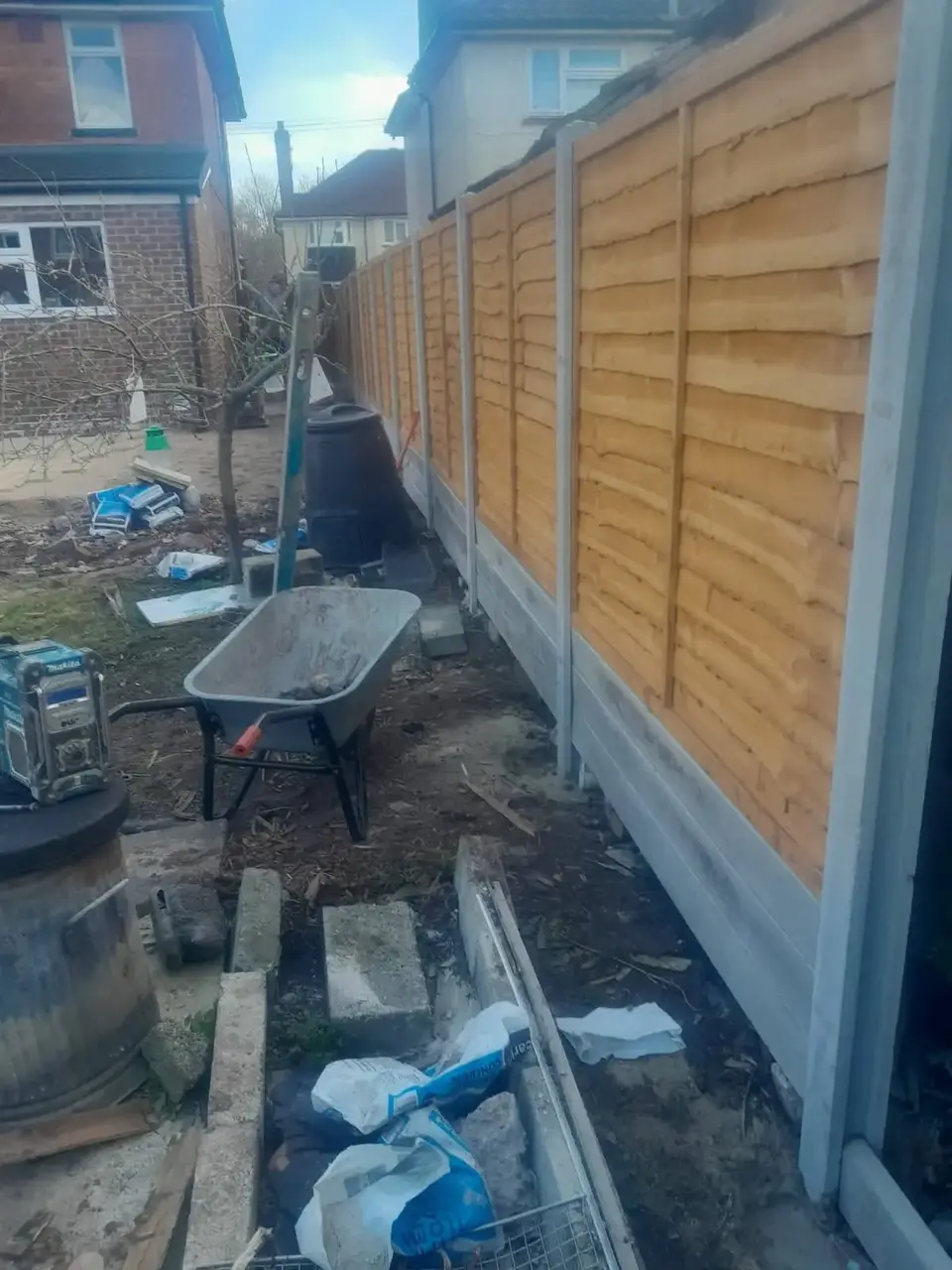
Fence installation projects
Fencing questions
How high can a garden fence be without planning permission?
As a general rule in England, a fence can be up to 2 metres high, or 1 metre next to a road used by vehicles, without planning permission. Listed buildings, conservation areas and some estates have extra rules. Check with your council.
Who owns the fence between two gardens?
It is not decided by which side the posts are on. Ownership is shown in the property deeds or Land Registry plans, and sometimes not at all. We build where you tell us the boundary is and recommend you agree it with your neighbour first.
How deep should fence posts go?
A general industry guide is to bury about a third of the post length, but this is not our specification and depends on the ground and the height. Set posts plumb in footings sized for height, exposure and ground, after checking the boundary and underground services.
Concrete or timber posts?
Timber posts are cheaper and easy to work with but rot at ground level over time. Concrete posts last longer and hold gravel boards, but are heavier and cost more. Pressure-treated timber panels, posts, gravel boards and compatible gates.
Why do you recommend gravel boards?
A gravel board keeps the bottom of the panel clear of the soil, where it would otherwise stay damp and rot. It can be replaced without replacing the panel.
Can you take down and remove the old fence?
Yes, we can remove and dispose of an old fence as part of the job.
How long does a fence take to put up?
A typical back garden can take a day or two. Longer runs, slopes, access problems and old fence removal add time. We give you a time after the free visit.
Will my fence survive high winds?
A well-built fence on well-set posts stands up to normal wind. Open, exposed sites are tougher on panels, so we discuss post spacing and the style of panel with you.
Related services
How we work
Every job follows the same eight stages, so you know what happens next.
Enquiry
You call, message us on WhatsApp or send the quote form. We note what you want and arrange a visit.
Site visit and measure
We come to your property, look at access, levels and drainage, and measure up. This is free.
Written fixed quote
You receive a written fixed quote that sets out the work, so you can compare it with confidence.
Groundwork plan
We agree the dig depth, base, edging and where the water will go before any work starts.
Dig-out and base
We excavate, remove spoil and build the sub-base in compacted layers, because the base decides how long the surface lasts.
Laying
We lay your chosen surface to the agreed levels and falls, cutting neatly at edges and drains.
Finishing and sealing
We fill and brush joints, apply sealing where the material calls for it, and tidy the edges.
Handover and aftercare
We walk you round the finished job and explain how to look after it.
Before and after
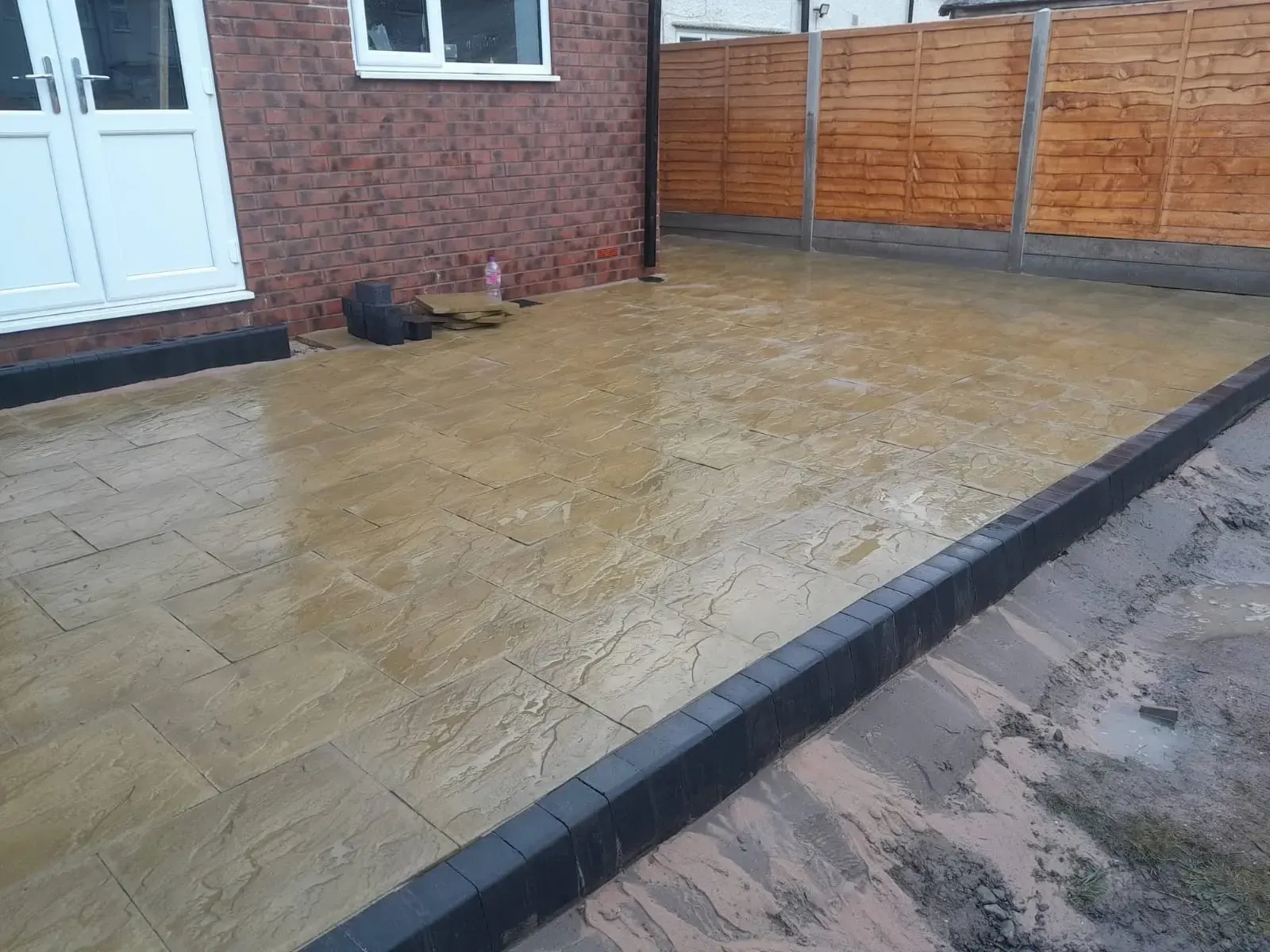
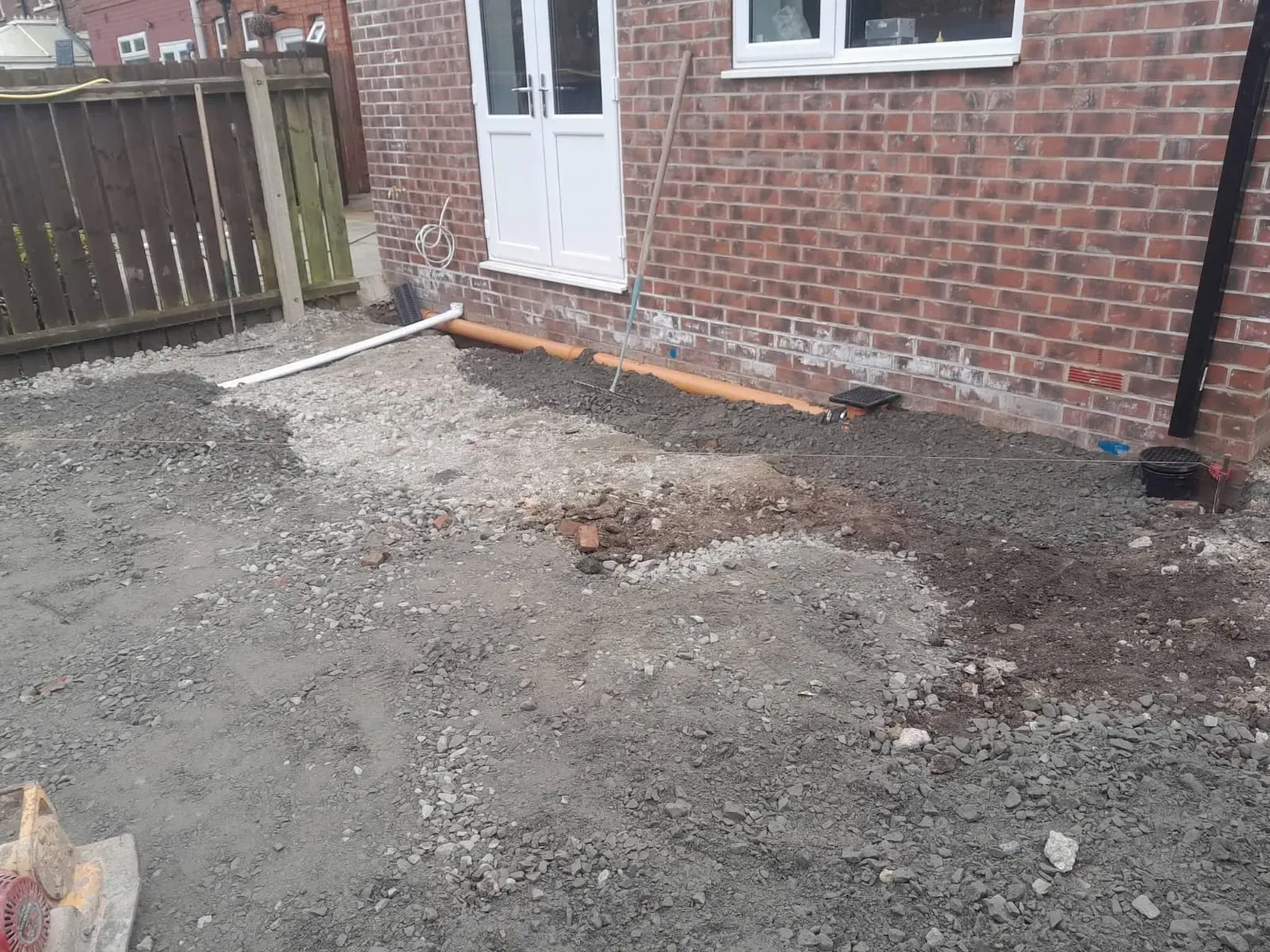
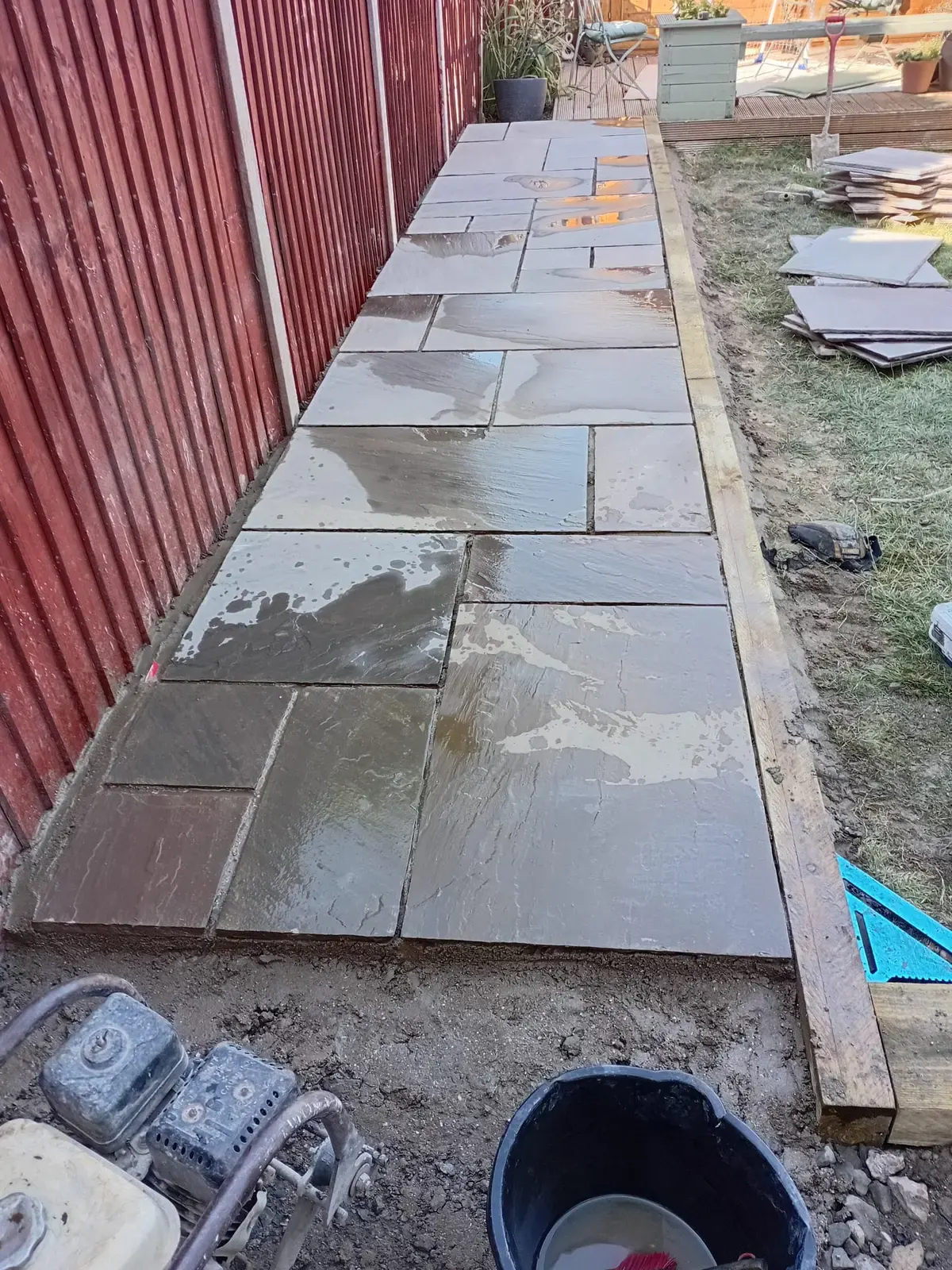
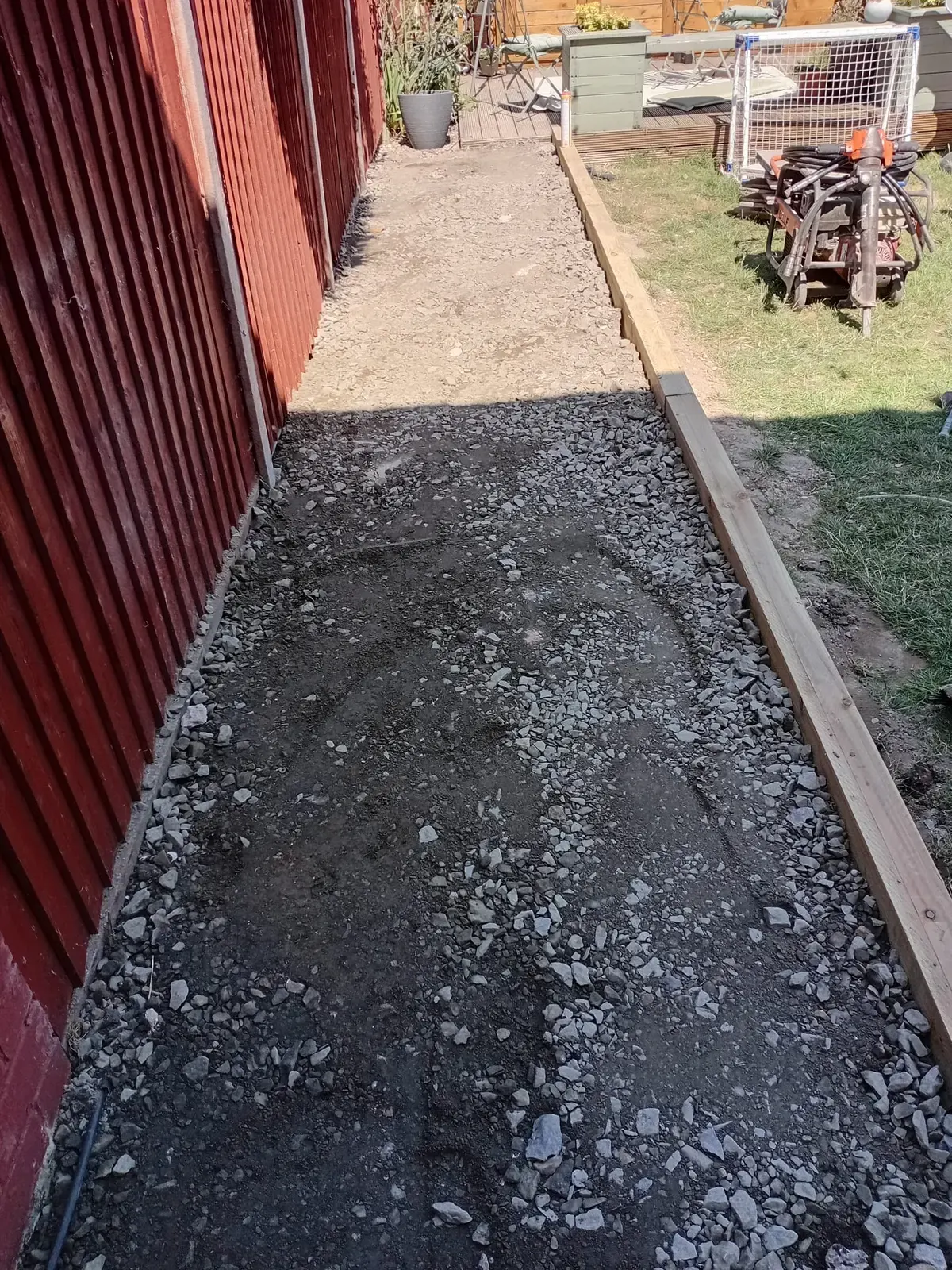
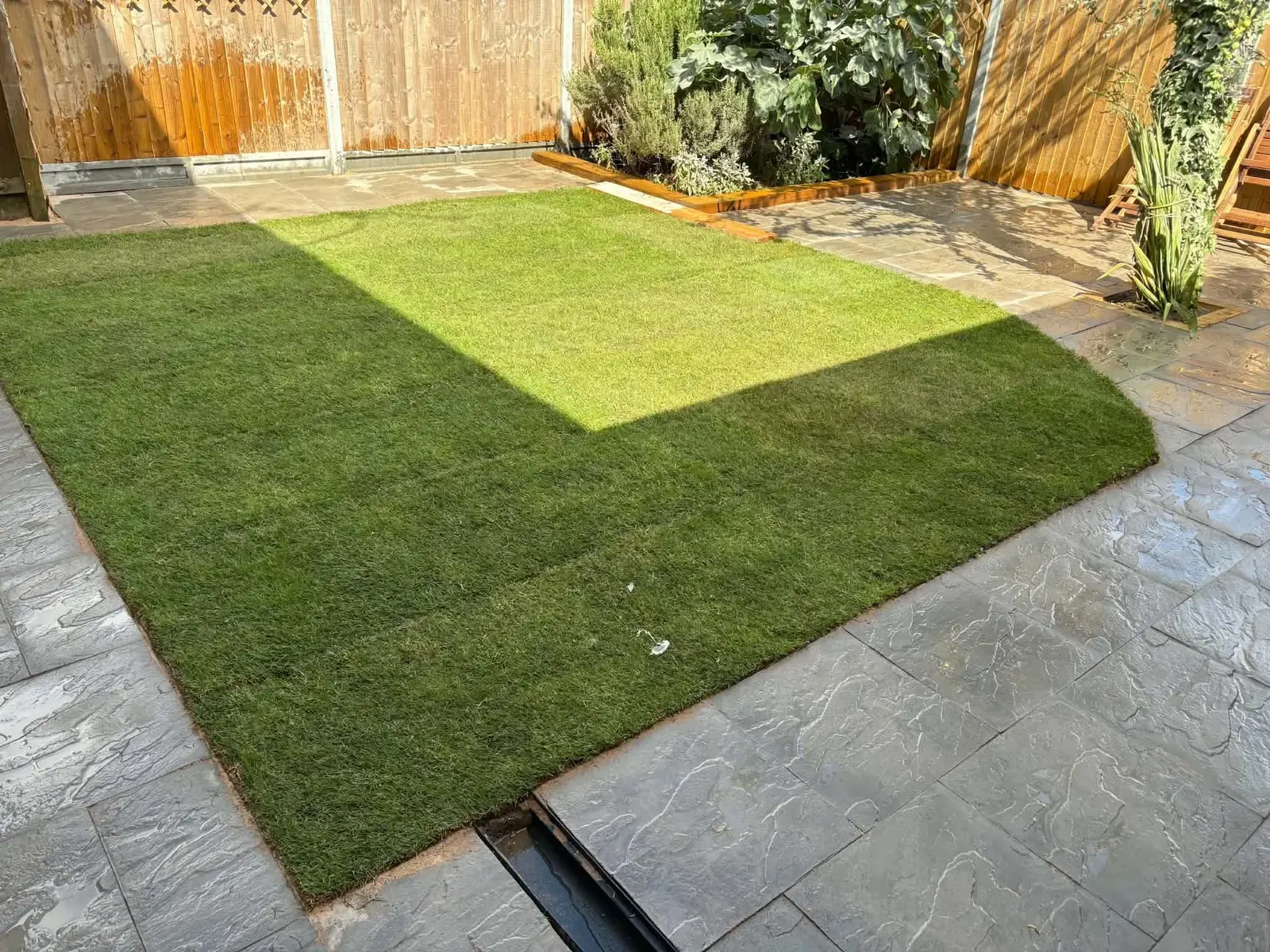
Drag the handle to compare the ground before we started with the finished job.
 BeforeAfter
 BeforeAfter
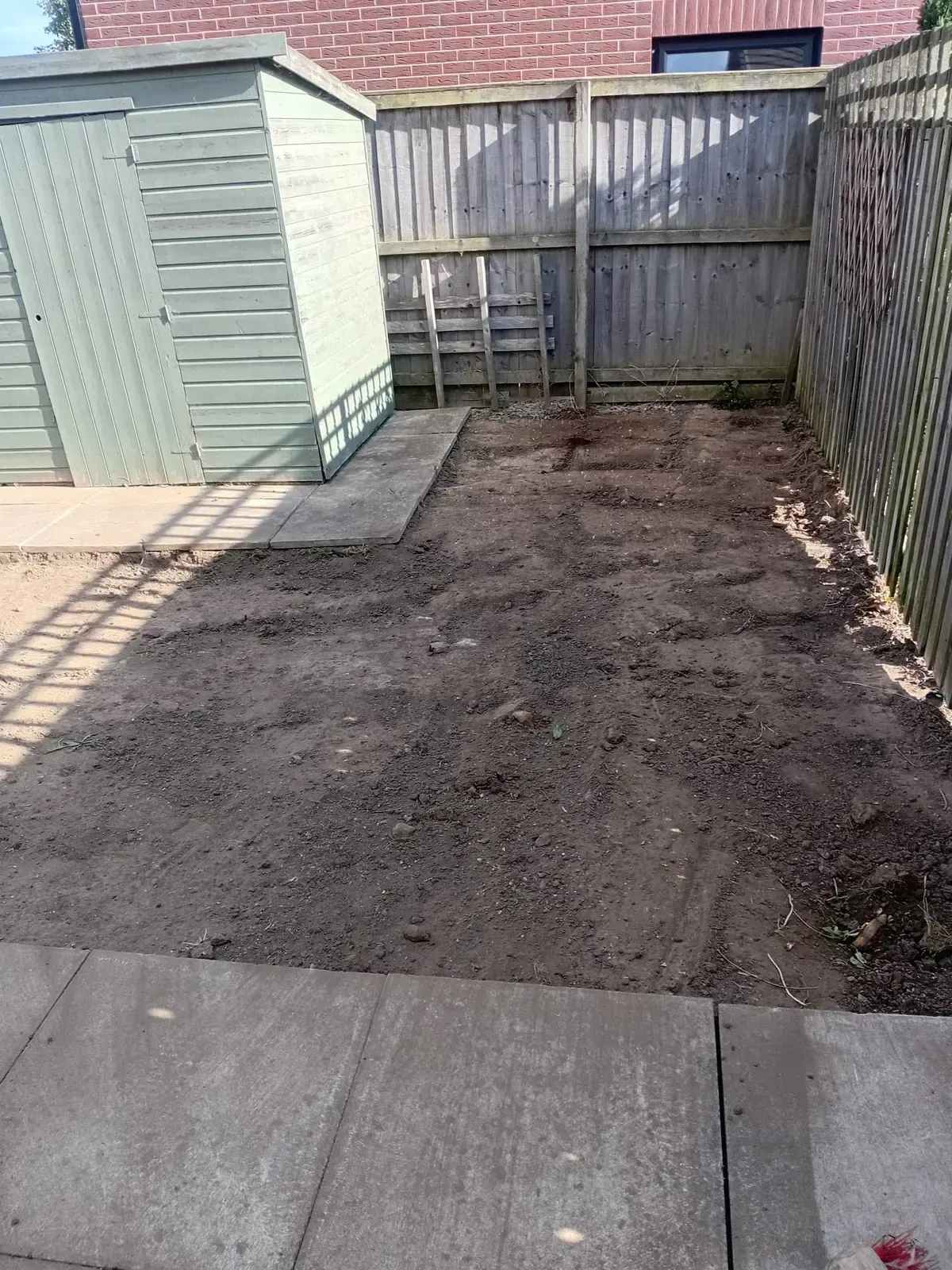 BeforeAfter
Ready for a free quote?
Tell us about the job. We will visit, measure up and give you a written fixed quote.